


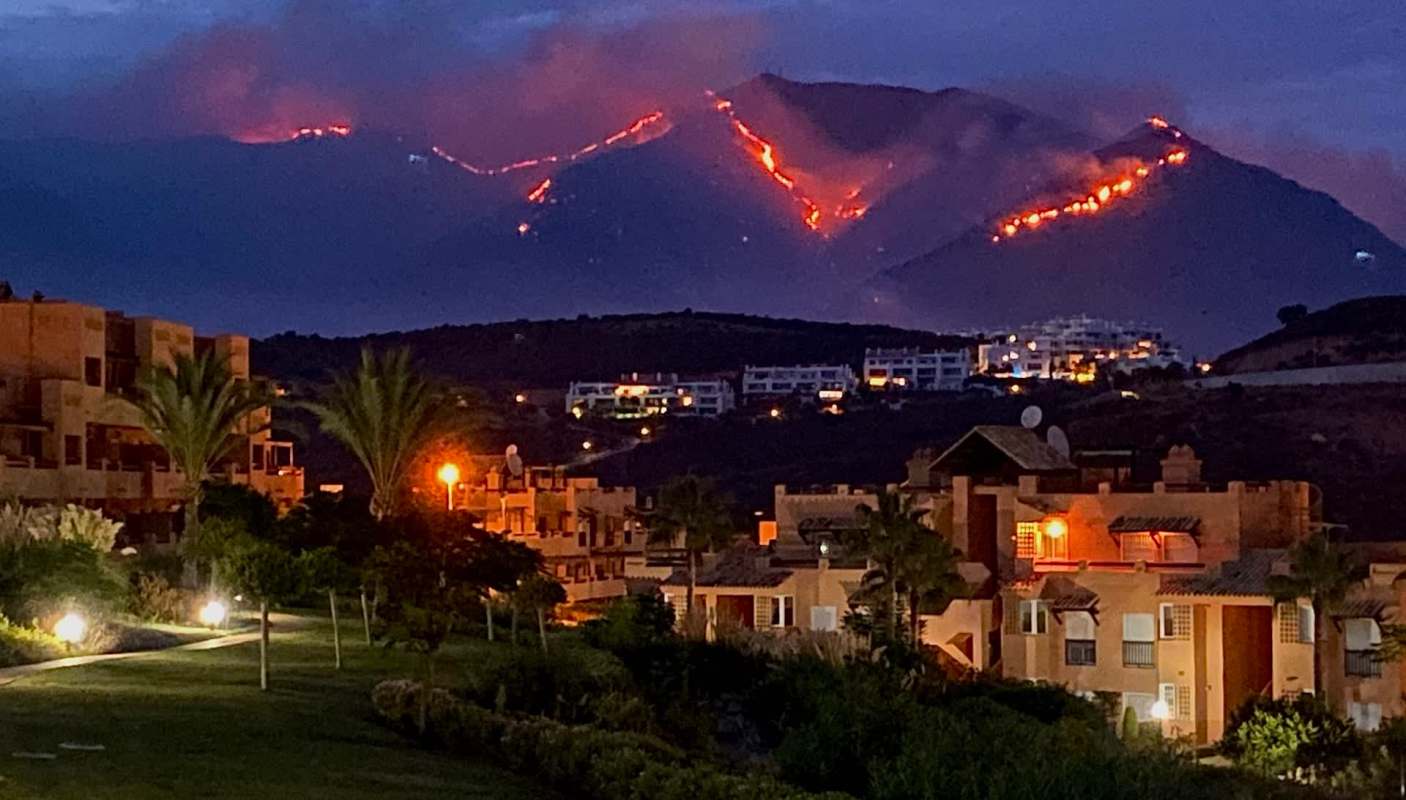
Rising global temperatures made deadly wildfires that raged across Spain and Portugal during a summer heat wave 40 times more likely than they previously would have been, the Guardian reported on Thursday.
The shocking figure was revealed as part of a new study examining the blazes, which also found that higher temperatures from human causes made the fires 30% more intense than they would have been in preindustrial times.
"The sheer size of these fires has been astonishing," said Clair Barnes, a co-author of the study, per the Guardian. "Hotter, drier, and more flammable conditions are becoming more severe with climate change, and are giving rise to fires of unprecedented intensity."
What's happening?
As of Sept. 1, wildfires in Spain and Portugal had burned over 900,000 acres of the land, accounting for 1% of the entire Iberian Peninsula, the researchers found. This was the fifth most acreage burned in a single year since record-keeping began in 1961.
"The fires in Spain in 2025 were the worst in 30 years, almost quadrupling the average annual area burned during that period," the study's authors wrote. "In Portugal, the area burned was 2.3 times larger than the annual average since 1980."
Before humans began releasing heat-trapping pollution into the atmosphere at the onset of the industrial revolution, the extreme weather conditions that fueled the blazes would have been expected to occur once every 500 years on average.
Today, amid rising global temperatures, they are expected to occur once every 15 years, the study found.
While experts have long urged the world to take significant steps to reduce heat-trapping pollution, political action remains difficult.
"The problem that we're now facing is that there are traditional rightwing parties that perhaps don't deny the scientific reality, but which act and behave as if climate change doesn't exist," said Pedro Sánchez, Spain's prime minister. "And this is the biggest problem."
Why is it important?
For decades, experts have warned that releasing heat-trapping pollution into the atmosphere would cause global temperatures to rise, making extreme weather events like heat waves and the resulting wildfires more severe.
TCD Picks » Quince Spotlight
💡These best-sellers from Quince deliver affordable, sustainable luxury for all




|
Do you worry about the quality of the air inside your home?
Click your choice to see results and speak your mind. |
 Yes — often 😬
 Wildfires take human lives while destroying homes, businesses, and crops, making insurance premiums and food prices increase far beyond the affected areas.
Further, the health impacts of toxic wildfire smoke can be felt hundreds if not thousands of miles away from the fires themselves, according to Climate.gov.
Even short-term exposure to wildfire smoke can cause serious respiratory and cardiovascular problems, particularly among vulnerable populations, found a report posted on AirNow.gov.
What's being done about it?
In the immediate term, people can better protect themselves and their families from the risks of wildfires by taking steps like establishing vegetation-free fire breaks around homes in high-risk areas and heeding official evacuation warnings.
When it comes to wildfire smoke, wearing an N95 mask and using indoor air purifiers can help reduce the health risks of smoke exposure.
However, over the long term, the only way to reverse the trend of rising global temperatures and the resulting wildfires is to significantly reduce the amount of planet-heating pollution entering the atmosphere. This will require transitioning the world away from dirtier, extracted fuels like coal and natural gas and toward cleaner, renewable sources of energy like wind and solar.
You can help make a difference at the political level by encouraging your elected officials to take climate action and by voting for pro-climate candidates.
Taking things a step further, you can directly reduce heat-trapping pollution while saving money on gas and electricity by driving an EV and installing solar panels on your home. Pairing solar panels with a home battery system can also make your home more resilient in the event of weather-related power outages.
EnergySage offers free, powerful tools that make it easy to find a solar installer in your area, while also saving customers up to $10,000 through tax credits and other incentives.
With federal tax credits for EVs ending Sept. 30 and incentives for home solar expiring Dec. 31, it is important to act quickly to take advantage of the savings.

Join our free newsletter for good news and useful tips, and don't miss this cool list of easy ways to help yourself while helping the planet.
Cool Picks






