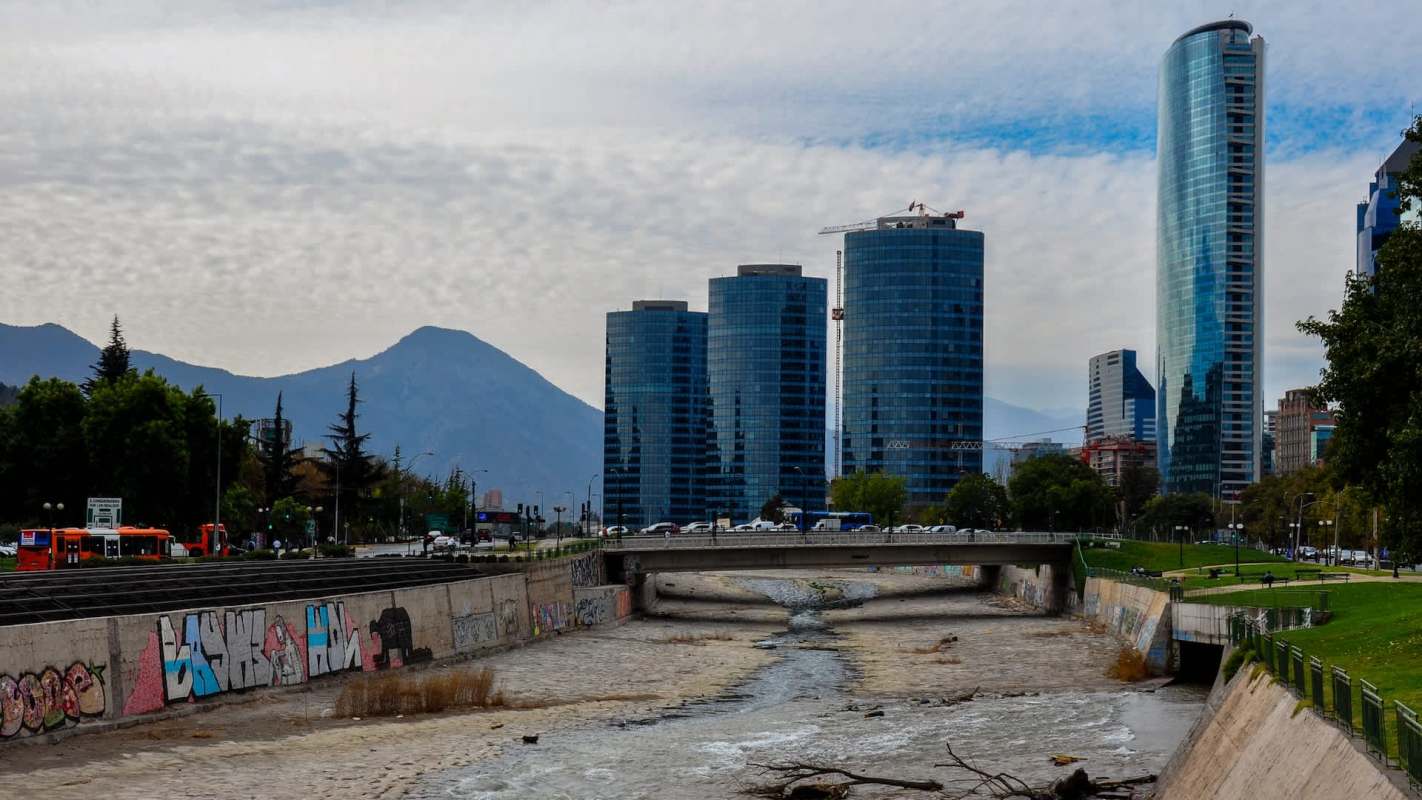
A major new study is raising concerns about what may happen when one of the world's most important mountain water systems can no longer keep up with rapidly changing conditions.
What's happening?
Scientists analyzing long-term drought patterns in the Southern Andes, the backbone of the water supply for millions of people across Chile and western Argentina, found that glaciers are rapidly losing their ability to rescue surrounding areas from severe dry spells.
In a 24 Ore report, one researcher described the trend as "unprecedented," adding that "we have to prepare ourselves" for a future where the mountains' natural safety net is gone.
For more than a decade, shrinking glaciers have quietly kept tap water flowing by melting faster than normal to replace missing rainfall. During the driest year of the megadrought, melt levels spiked nearly 400%, helping offset a staggering 66% drop in precipitation.
But that lifeline came at a cost: Glaciers lost significant ice mass that cannot be naturally replenished for centuries.
The new study projects that by 2100, glacier volume in the region could shrink by 55% to 78%, depending on how quickly temperatures continue to rise.
Why is shrinking concerning?
The Southern Andes serve as a "water tower" for a megacity-sized region that depends on predictable meltwater for the majority of its day-to-day activities.
As global temperatures increase, droughts are becoming more frequent and more intense, a trend scientists widely attribute to the buildup of air pollution that disrupts weather patterns and dries out entire regions.
When extreme weather used to strike, like in a single severe drought or freak storm, systems had time to recover. But human-driven warming supercharges these events, making them hit harder and occur back-to-back.
Glaciers that once buffered the shocks can no longer keep up.
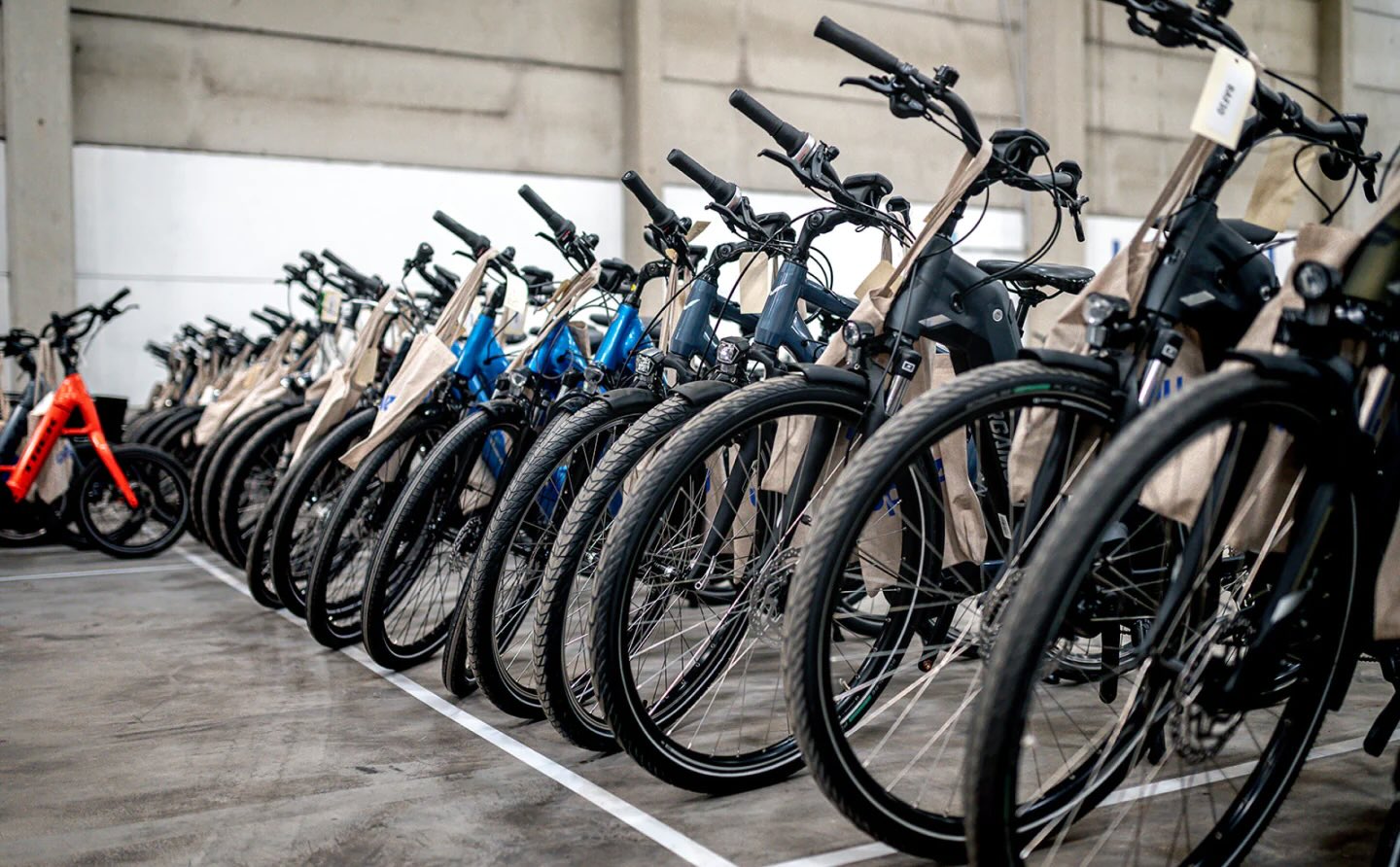
TCD Picks » Upway Spotlight
💡Upway makes it easy to find discounts of up to 60% on premium e-bike brands




|
Do you worry about having toxic forever chemicals in your home?
Click your choice to see results and speak your mind. |
 Majorly 😥
 What's being done about it?
Communities and governments across South America and beyond are racing to adapt. Some regions are expanding water-storage infrastructure and updating drought-response plans, and across the world, cities are investing in more affordable clean energy and climate-resilient infrastructure.
If you're concerned about how extreme droughts and power disruptions affect your own community, there are meaningful steps you can take.
One of these steps, going solar, can help keep your lights on during grid disruptions, lower your monthly bills, and shield your household from rising energy prices. You can check out TCD's Solar Explorer to compare vetted installers and see how much you might save.
EnergySage also offers a free tool to help you explore quotes from trusted local installers and potentially save up to $10,000 on installation.
More powerful than anything else, however, is education. Keeping up to date on critical climate issues and how they shape weather patterns is essential.

Get TCD's free newsletters for easy tips to save more, waste less, and make smarter choices — and earn up to $5,000 toward clean upgrades in TCD's exclusive Rewards Club.
Cool Picks