


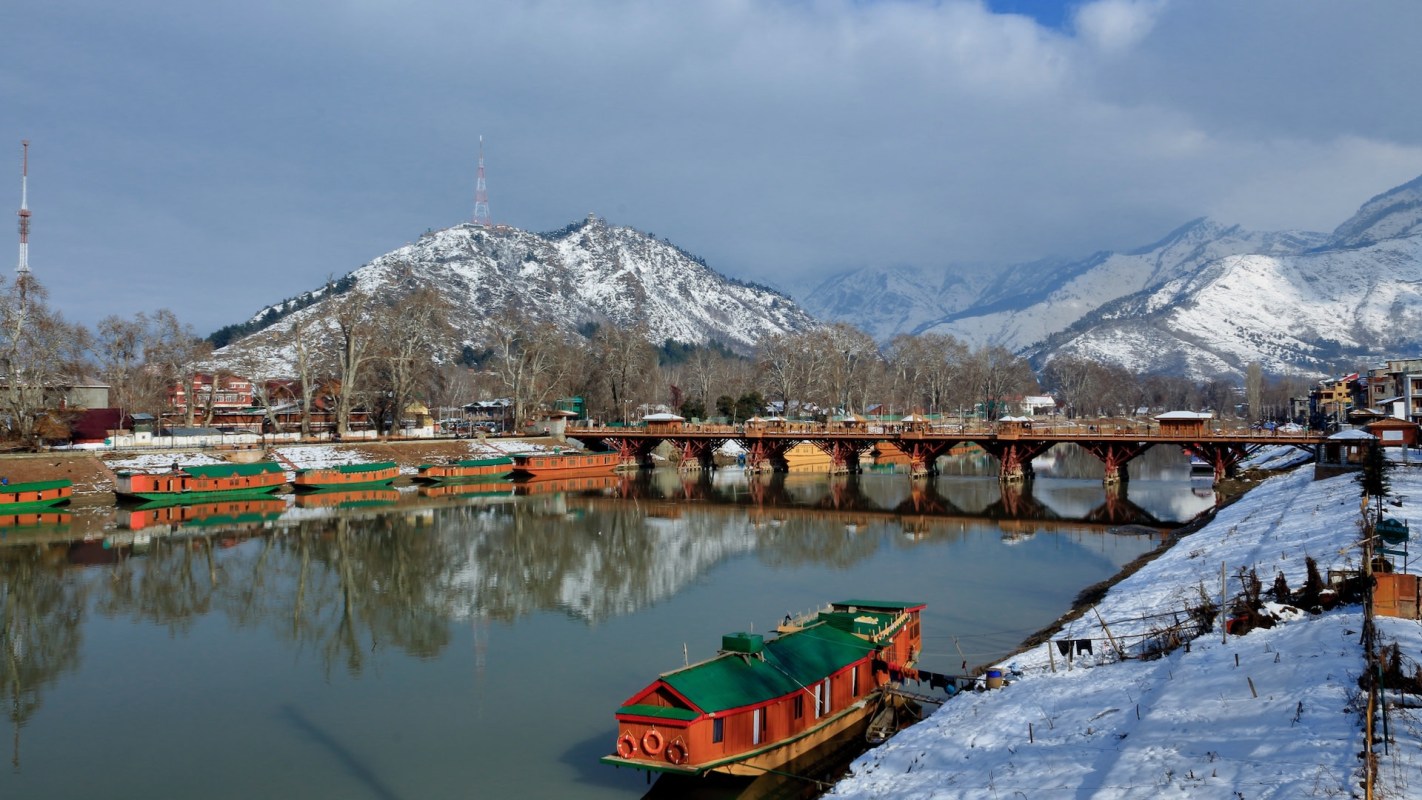
The Himalayan region of Jammu and Kashmir, India, has experienced a "snow drought," which could affect local tourism, water stability, and agriculture.
What's happening?
In early December, Zee News reported a 46.63% deficit in snowfall in Jammu and Kashmir, with many mountain peaks bare. Similar concerns have been raised before, including reports that Himalayan glaciers are melting at the fastest rate ever recorded.
Experts believe that rising temperatures are causing unusually low snowfall and rapid snowmelt. Additionally, the outlet reported that the Himalayas are warming faster than the global average, leading to significant disruptions in weather patterns.
Zee News said that snow droughts are becoming more frequent and intense, raising concerns about water security, wildfires, and air quality.
Luckily, The Hindu reported that snow and rain finally reached Kashmir in late December. Nevertheless, the effects of the drought may persist.
Why does snow drought matter?
According to historical data, the Himalayan mountains should have snow on their peaks, Zee News reported. However, precipitation this winter has been well below average, with the data highlighting moderate-to-severe snow droughts in India, Pakistan, and Afghanistan.
"This is having an impact in many ways … across the entire Himalayan region, because glaciers are melting rapidly and are not being replenished at the same rate," said Dr. Mukhtar Ahmad of the IMD, per Zee News. "Groundwater recharge, agriculture … and the hydroelectric power sector will all be directly affected."
Soil moisture levels in Jammu and Kashmir depend on snowfall in the Himalayas. However, Zee News said the lack of snow put pressure on the agriculture sector, damaging the crops people rely on for food and livelihoods.
Declining tourism is also a major concern. "Without snow, winter tourism, skiing … are not possible," Dr. Mukhtar added, per Zee News. "This is a very serious situation for winter tourism."
The outlet also reported that less snowfall reduces streamflow, causing river levels to reach record lows. Experts are raising concerns about water scarcity, increasing wildfire risks, and air quality issues.
TCD Picks » Quince Spotlight
💡These best-sellers from Quince deliver affordable, sustainable luxury for all




|
Do you feel like the air quality is safe where you live? Click your choice to see results and speak your mind. |
 Always 💯
 What's being done about worsening droughts?
Drought mitigation and response are complex and require widespread collaboration. However, many groups are already developing ways to combat this ongoing issue.
For example, the Center for Climate and Energy Solutions has encouraged governments and businesses to identify drought vulnerability and improve resilience by championing water conservation and efficiency. The group also suggests improving stormwater management and switching to clean energy.
Meanwhile, the National Drought Mitigation Center recommended that individuals focus on home improvements to enhance water efficiency. Upgrading to water-efficient appliances and landscaping with native plants are two simple ways you can help.

Get TCD's free newsletters for easy tips to save more, waste less, and make smarter choices — and earn up to $5,000 toward clean upgrades in TCD's exclusive Rewards Club.
Cool Picks






