


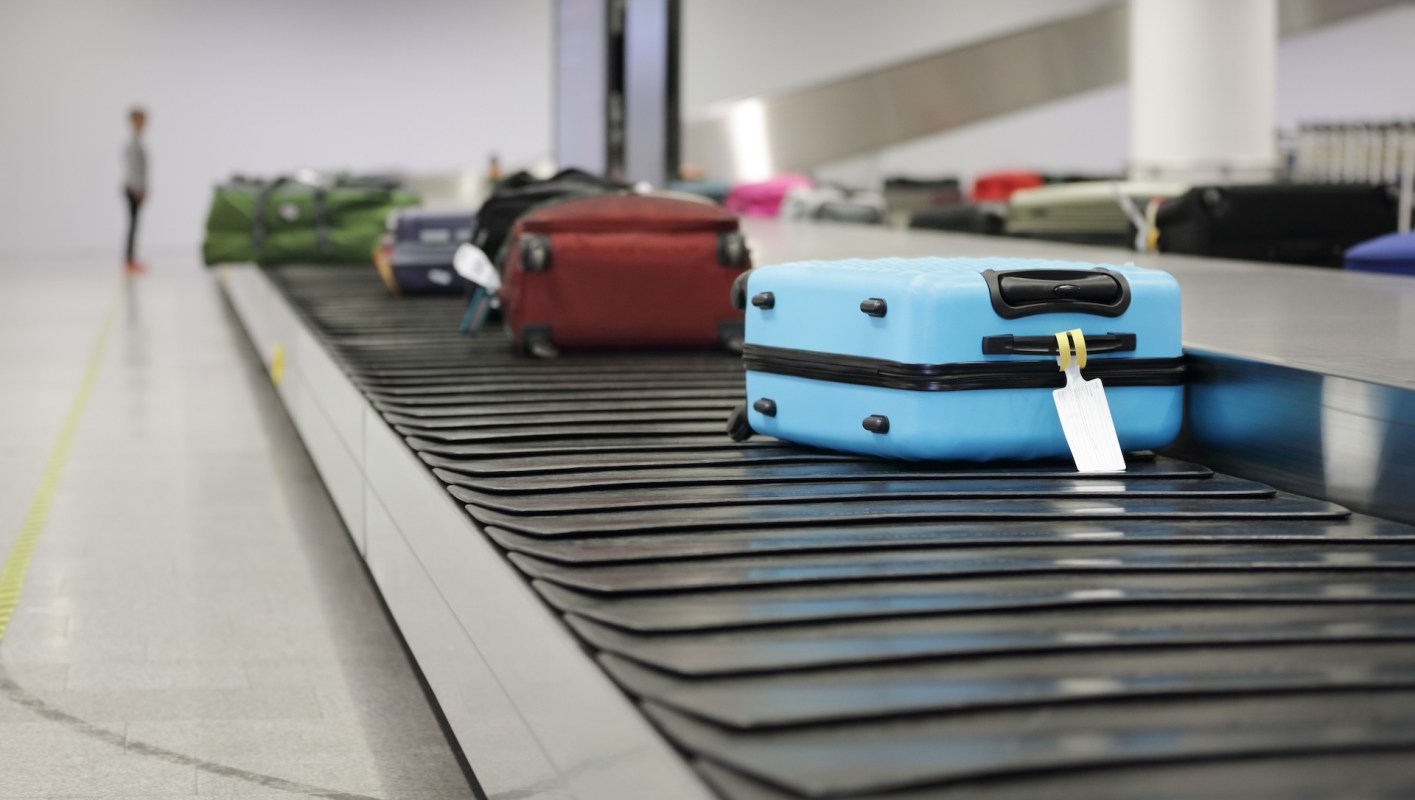
Customs officials in India recently found endangered primates concealed in a passenger's luggage, Juris Hour reported.
What happened?
According to the outlet, the Air Intelligence Unit in Bengaluru intercepted a 27-year-old traveler arriving from Bangkok on Oct. 23.
Inside his bags: one silvery gibbon and two black-shanked doucs.
These aren't just exotic animals; they are highly protected species.
Juris Hour noted they are listed under Appendix I of the Convention on International Trade in Endangered Species of Wild Fauna and Flora, meaning they are threatened with extinction and impacted by trade.
The passenger was taken into custody.
Why is this concerning?
It would be easy to mistake this for a one-time incident, but it was a window into a massive, dangerous industry.
A Frontiers in Conservation Science study found that 69% of all primate species are threatened, and 94% have declining populations.
The study identified commercial trapping for pets, food, and traditional medicine as driving factors.
This isn't just an animal problem, though; it's a major human one.
TCD Picks » Quince Spotlight
💡These best-sellers from Quince deliver affordable, sustainable luxury for all




|
What's the biggest thing you'd like to learn more about?
Click your choice to see results and speak your mind. |
 How to slash my energy bills 💰
 The study confirmed that the wildlife trafficking trade is dominated by "criminal networks, corruption, and driven by the demands of wealthy consumers," and it also poses a serious public health risk.
Researchers warned that trafficking primates "can lead to the emergence of infectious diseases, increasing biosecurity risks to humans."
When smuggled animals escape into new countries and habitats, they can become invasive, wrecking local ecosystems and threatening the global food supply. Wildlife trafficking destroys the biodiversity that sustains our communities.
What's being done about this issue?
This bust was just one part of a much larger, global fight — one that is happening everywhere.
Police in Thailand recently rescued two baby orangutans, one only a month old, from a smuggler's bike basket.
Officials in Indonesia, acting on a tip from the U.S. Fish and Wildlife Service, shut down an illegal online trade selling over 70 primate skulls to the U.S. and the United Kingdom.
So what's the real fix? The Frontiers study found that we have to stop the demand.
Researchers called on social media companies to "implement and enforce strict regulations" and pointed to a cultural shift to "end the portrayal of primates as suitable pets."

💰Get TCD's free newsletters for easy tips to save more, waste less, and make smarter choices — and earn up to $5,000 toward clean upgrades in TCD's exclusive Rewards Club.
Cool Picks






