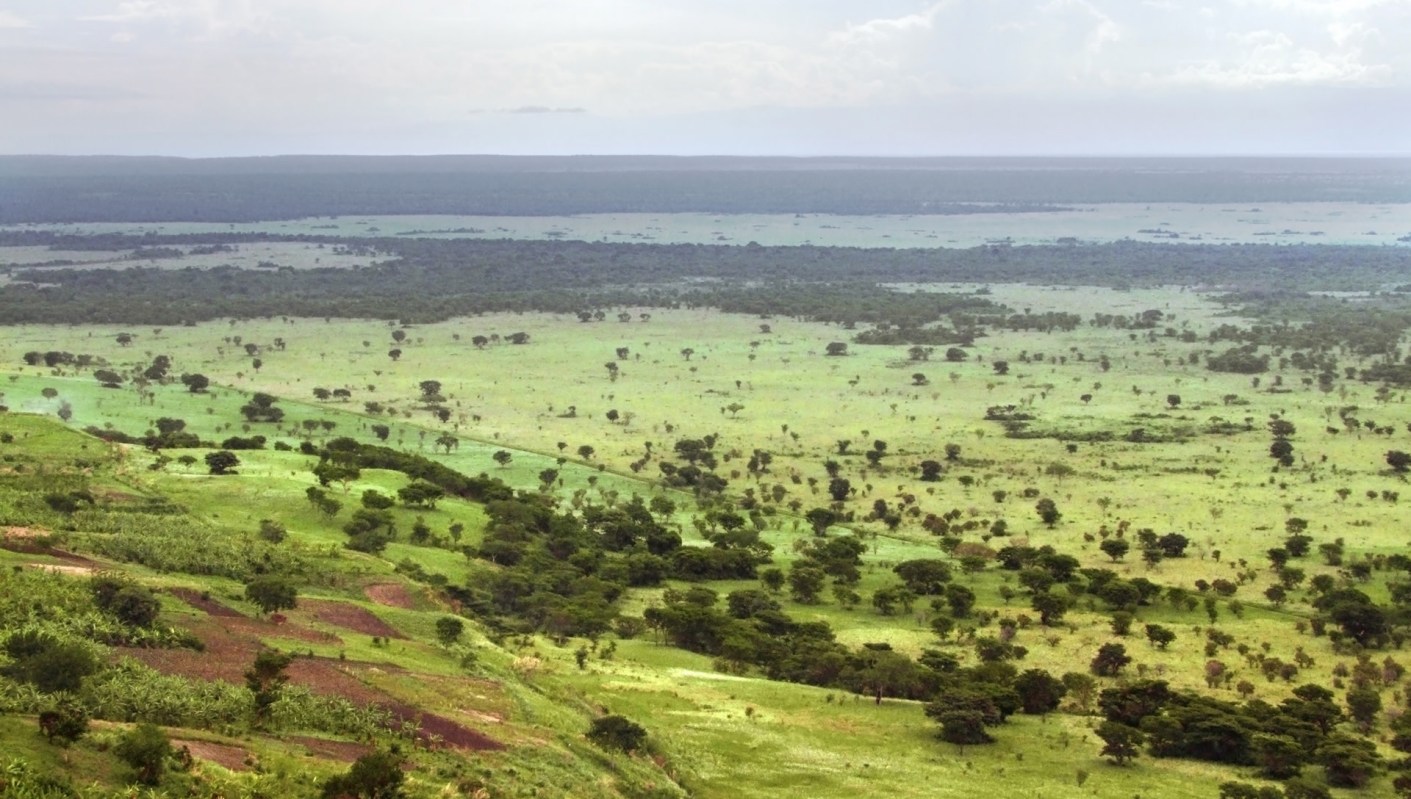
The Queen Elizabeth National Park in Uganda is facing a major threat to its natural ecology — an invasive plant species called sickle bush.
What's happening?
Sickle bush grows densely and quickly, making it incredibly harmful to native species and difficult to remove in time to stop its spread.
According to NilePost, sickle bush costs around $1,150 per acre to clear. The plant "now covers about 7,800 acres of the park," according to the park's chief warden, Dr. Eric Enyel.
Beyond the cost of removal, the impact on the region's biodiversity is just as great, if not greater.
Sickle bush growth has been hastened by changing conditions in the area. Where there was once sufficient rainfall, there is now dry soil in which native plants struggle to survive.
However, sickle bush is resilient in arid climates and has taken over many acres once covered in key species of flora and fauna. Animals in the area have also been affected by the sickle bush invasion.
TCD Picks » Quince Spotlight
💡These best-sellers from Quince deliver affordable, sustainable luxury for all




Dr. Enyel emphasized that sickelbush "created confusion for animals and disrupted their natural movements. Fifteen years ago, this entire open space was full of tourists watching wildlife. Today, many animals have moved to other areas …"
Why is this important?
When invasive species encroach on native life in any habitat, the consequences can be devastating to the economy, the environment, and human communities.
In Queen Elizabeth National Park, it has negatively impacted tourism, which is a key driver of Uganda's economy.
Additionally, the park's surrounding savannah is "gradually turning into bushland," primarily sickle bush, worsening the situation. Without native plants and animals living within their diverse environments, areas that once were vibrant and full of life can become desolate.
|
Do you think America does a good job of protecting its natural beauty? Click your choice to see results and speak your mind. |
 Definitely 👍
 Food supplies can dwindle, which can also cause diseases to spread, and the loss of even the smallest keystone species can disrupt an entire food chain.
It is crucial to maintain native plants and animals while keeping invasive species at bay to protect the environment and those that inhabit it.
Invasive species are a consistent roadblock to healthy, thriving ecosystems.
What's being done about this?
Local community groups have started to uproot the sickle bushes, which also "provides an alternative source of income for them," said Ecological Monitoring and Research Officer Philemon Tumwebaze.
Furthermore, nearby residents have taken to using the invasive bushes as fuel sources, which also helps mitigate the usage of important native plants for such needs.
Additional funds are critical to keep the spread at bay, which is why urging governments to invest in preservation projects, such as eradicating invasive species, is an important way people can help protect biodiversity.
Even at home, a simple adjustment to one's yard can support the local ecosystem and help native plants thrive. Such a boost is one step toward a healthier ecosystem and a more stable way of life.

💰Join TCD's exclusive Rewards Club to earn up to $5,000 toward clean upgrades that will help you slash your bills and future-proof your home.