


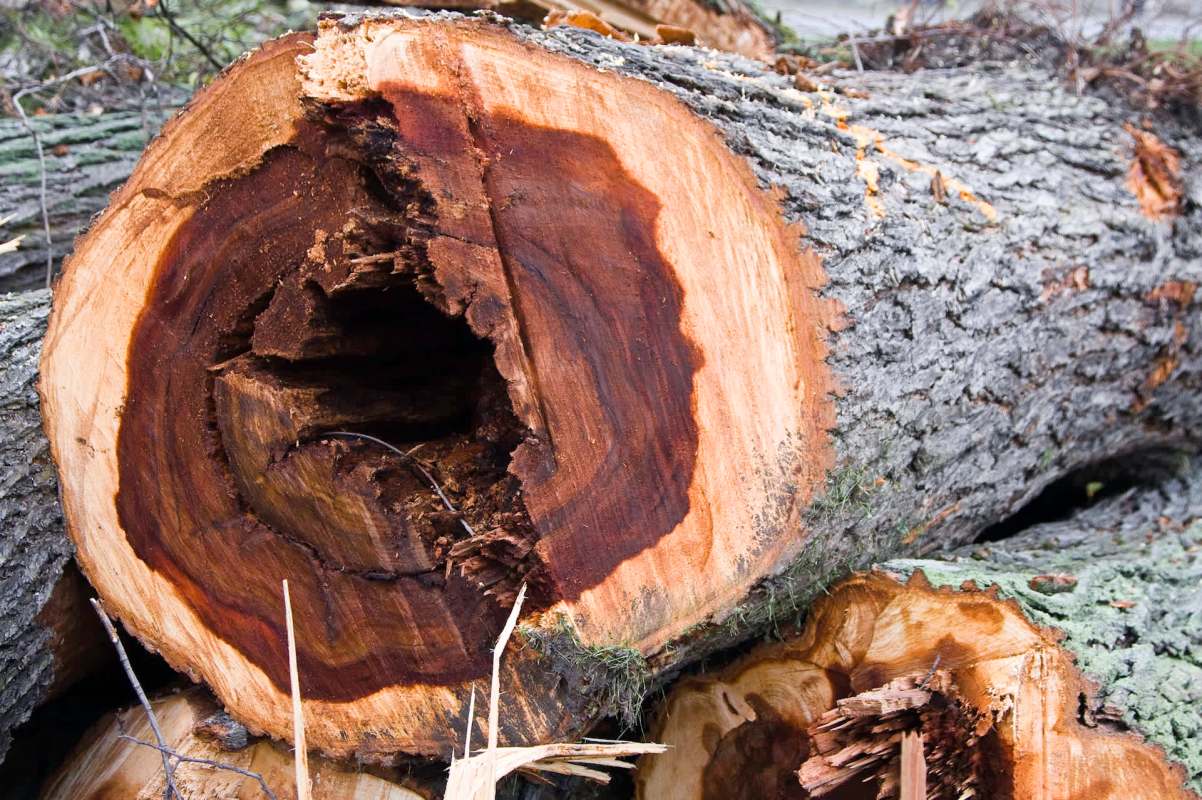
Oliver, British Columbia, residents are getting a greener, cleaner community as crews remove more than 230 invasive Siberian elm trees from Oliver Community Park this week, Castanet reports.
The project, led by the Okanagan and Similkameen Invasive Species Society (OASISS), is part of a larger, three-year initiative targeting invasive trees across the South Okanagan, including the Siberian elm, Russian olive, tree of heaven, and black locust.
Behind Oliver's tennis courts, chainsaws and chippers were hard at work as crews made way for native and sustainable species to replace the invasive elms.
The goal? To restore habitat for wildlife, boost biodiversity, and inspire residents to do the same at home.
"We want to have a demonstration site so that the residents of the South Okanagan are inspired to be similar and understand what's possible," OASISS executive director Lisa Scott said. "Sometimes just one simple little thing makes all the difference between effective treatment."
Invasive plants such as the Siberian Elm spread aggressively, crowding out native trees and plants, sucking up valuable water resources, and leaving less food and shelter for local wildlife.
They also attract pests — in this case, the elm seed bug, which doesn't just target trees but can invade homes in large numbers.
For homeowners, removing invasive trees can be tricky. Some species regrow quickly if not handled properly, and the wrong approach can make the problem worse.
That's why OASISS is offering funding for 200 residents to plant suitable trees on their own properties, and encouraging everyone to think more sustainably about their landscaping.
Swapping invasive or water-hungry lawns for native grasses, clover, buffalo grass, or xeriscaping can save time, money, and water; replacing just part of a lawn makes a difference.
TCD Picks » Quince Spotlight
💡These best-sellers from Quince deliver affordable, sustainable luxury for all




|
What's your least favorite thing about summer heat waves?
Click your choice to see results and speak your mind. |
 Higher AC bills 💸
 Native plant lawns also support pollinators, creating a healthier ecosystem that ultimately benefits humans, as pollinators protect our food supply.
With the Oliver Park transformation underway, OASISS hopes the project will spark a wave of eco-friendly action across the region, one simple, sustainable step at a time.
One commenter on the Castanet article summed it up perfectly: "You can cut down Siberian elms all day long, but they will just grow back in the spring and be 14ft high by the end of summer."

💰Get TCD's free newsletters for easy tips to save more, waste less, and make smarter choices — and earn up to $5,000 toward clean upgrades in TCD's exclusive Rewards Club.
Cool Picks




