


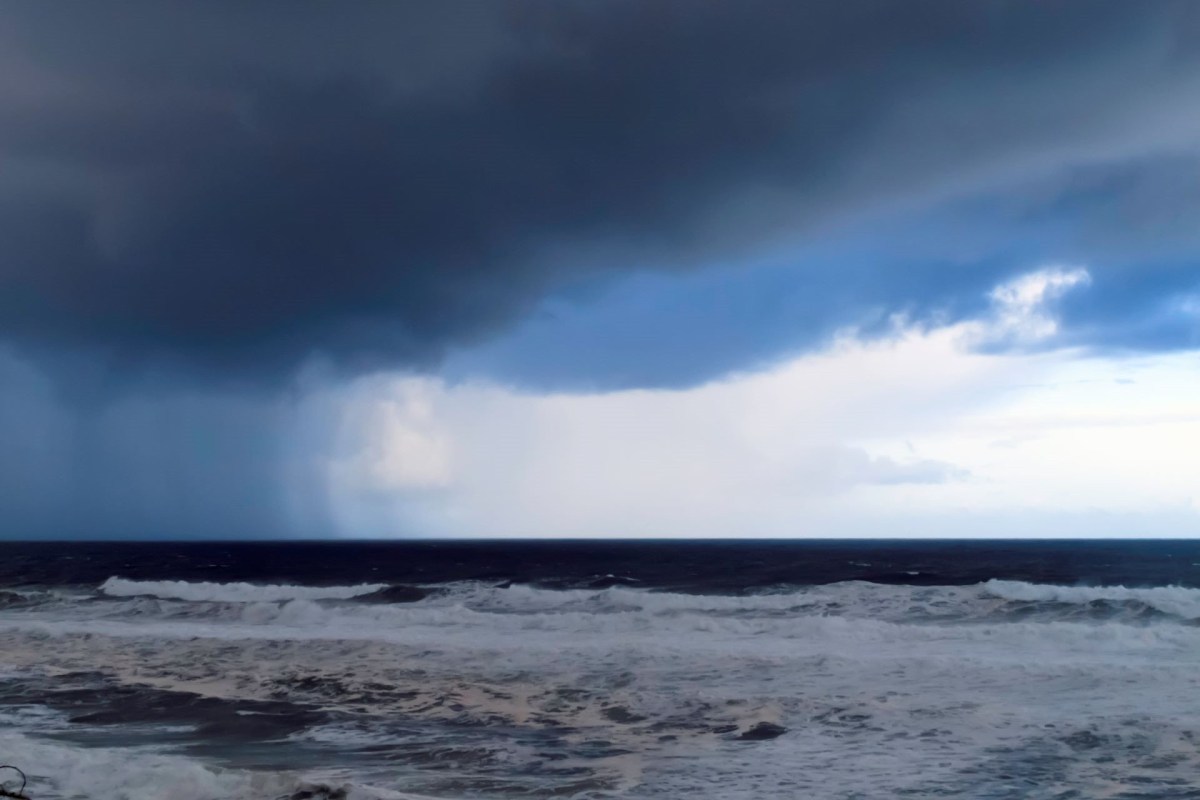
Winter storm tracks across the North Pacific Ocean are shifting northward much faster than current models had predicted, accelerating ice loss in Alaska and intensifying heat and drought conditions across the southwestern United States, per a new study.
What's happening?
Researchers from the Weizmann Institute of Science and Google published their findings in the Nature journal, showing that the northward shift of winter storm tracks is occurring at a pace that far exceeds predictions from existing models.
These storms transport heat and moisture from warmer regions toward the pole, and their changing paths are reshaping conditions across large swaths of North America.
"Our preparedness for future climatic change relies on the ability of models to make accurate predictions," said Dr. Rei Chemke of the Weizmann Institute's Earth and Planetary Sciences Department in a release. "Changes in this region may be even more dramatic than we currently expect."
The researchers used a new metric based on sea-level pressure measurements to confirm that the shift results from human-caused warming, rather than natural variability. Their findings add to the troubling pattern showing Earth's storm tracks change rapidly in ways most models are failing to capture.
Alaska's glaciers are already melting at an accelerated rate, losing around 60 billion tons of ice each year. Meanwhile, California and Nevada are shattering records for heat and dryness, creating conditions favorable for more destructive wildfires.
Why is storm track shifting important?
The northward migration of storm tracks disrupts seafood stocks that many communities depend on. Warming waters in Alaska accelerate ice melt, contributing to the ongoing sea level rise that threatens populations across the world and makes it easier for many diseases to spread.
More heat and moisture are reaching Alaska while natural ventilation of the southwestern U.S. decreases, per the Weizmann Institute, driving temperatures higher and creating longer drought conditions.
Worsening extreme weather and extended droughts threaten public health in several ways, threatening homes and infrastructure and destabilizing the economy as a result. Accelerating ice loss also disrupts the delicate balance that supports Arctic ecosystems and Indigenous communities, whose traditional ways of life often depend on stable conditions.
What's being done about shifting storm tracks?
Scientists are continuing to advance new research to improve model accuracy and better predict future changes. Learning more about how storm tracks respond to warming can help to prepare for increasingly severe weather patterns.
TCD Picks » Quince Spotlight
💡These best-sellers from Quince deliver affordable, sustainable luxury for all




You can do your part by learning more about how environmental changes affect communities and what actions can help to make a difference.
|
What's the most you'd pay per month to put solar panels on your roof if there was no down payment?
Click your choice to see results and speak your mind. |
 $200 or more 💰
Get TCD's free newsletters for easy tips to save more, waste less, and make smarter choices — and earn up to $5,000 toward clean upgrades in TCD's exclusive Rewards Club.
Cool Picks






