


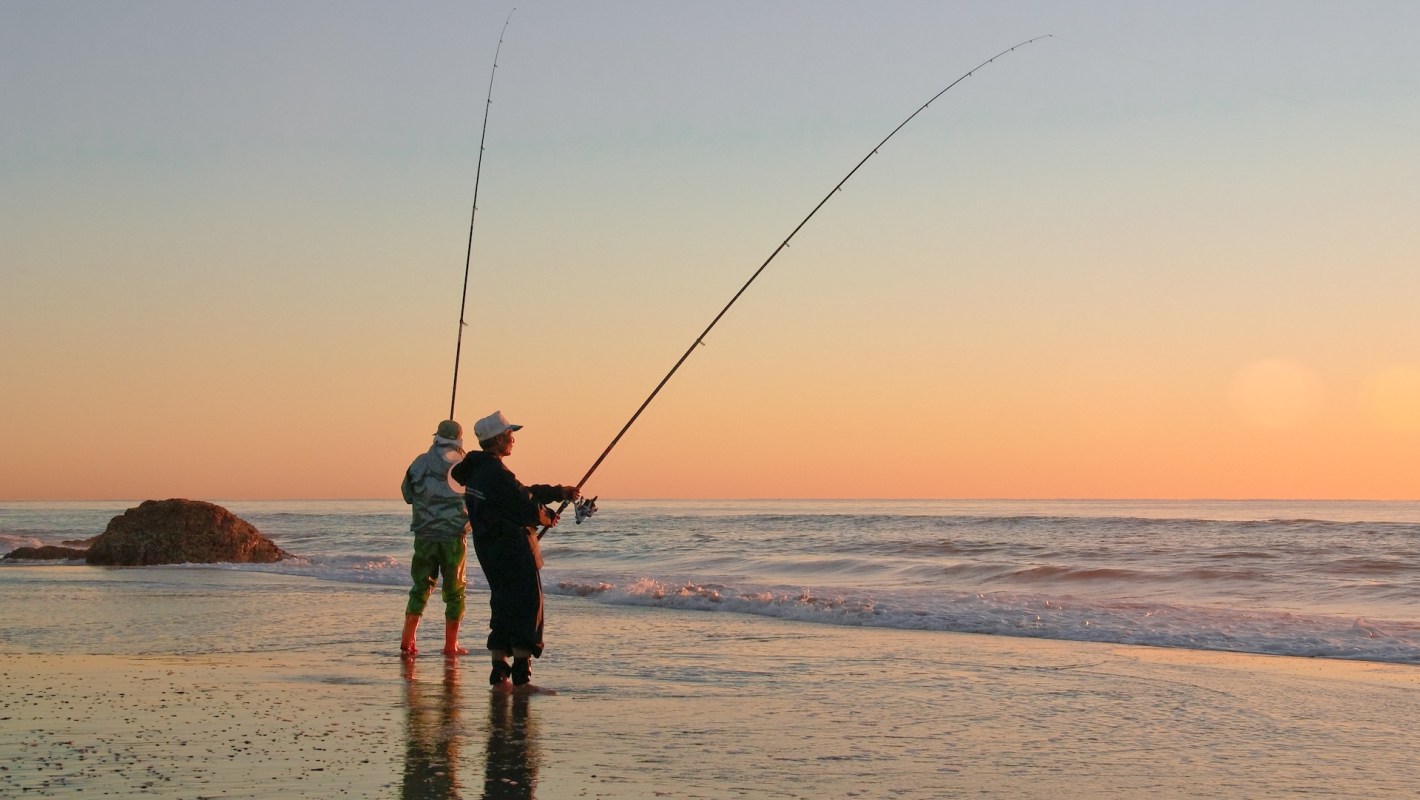
The Miami Beach City Commission voted all in favor of banning shark fishing from the shoreline as well as any land-based structures, such as bridges and docks, Coastal Breeze News reported.
Miami Beach joins at least four other municipalities that have banned land-based shark fishing. The move was mainly motivated by a desire to keep the beach safe for visitors, but it also protects animals and the broader marine environment.
"We're targeting heavy-duty fishing equipment that can cause serious injuries to families or anyone who happens to be enjoying our public beach areas," Miami Beach Commissioner Laura Dominguez, who sponsored the measure, said in a press release.
Dead sharks have also been found along the coastline and in nearby communities, likely due to improper fishing, Coastal Breeze News reported.
The release further stated that the legislation looks to prevent the "intentional or negligent capture, injury or killing of sharks within or adjacent to city waters."
Neighboring Biscayne Bay serves as a nursery and year-round habitat for critically endangered great hammerhead sharks, according to the University of Miami.
This type of legislation is increasingly important as rising ocean temperatures push sharks and other marine wildlife into new territories with greater frequency in search of resources and suitable habitat. This has led to increased human-shark encounters, which increases the possibility of attacks, making it more important to separate humans and sharks.
Sharks and other marine wildlife, such as whales, sea turtles, and seals, often get caught in discarded fishing gear by accident, too, including mesh nets put in place to protect people.
As apex predators, sharks are integral to the overall health of ocean ecosystems, and overfishing is a major threat to their survival. Shark fishing bans have also been enacted in Australia, Central Asia, and Mexico, among other places.
Regarding the Miami Beach ban, Miami Beach Mayor Steven Meiner said, "We are not only reducing dangerous human-shark interactions in our swimming areas, but also taking a firm stand against the degradation of our vital marine ecosystem. This is a critical step in ensuring our world-class beaches remain a safe environment for every resident and visitor."
TCD Picks » Quince Spotlight
💡These best-sellers from Quince deliver affordable, sustainable luxury for all




|
Which of these savings plans for rooftop solar panels would be most appealing for you?
Click your choice to see results and earn rewards to spend on home upgrades. |
 Save $1,000 this year 💸
Get TCD's free newsletters for easy tips to save more, waste less, and make smarter choices — and earn up to $5,000 toward clean upgrades in TCD's exclusive Rewards Club.
Cool Picks






