


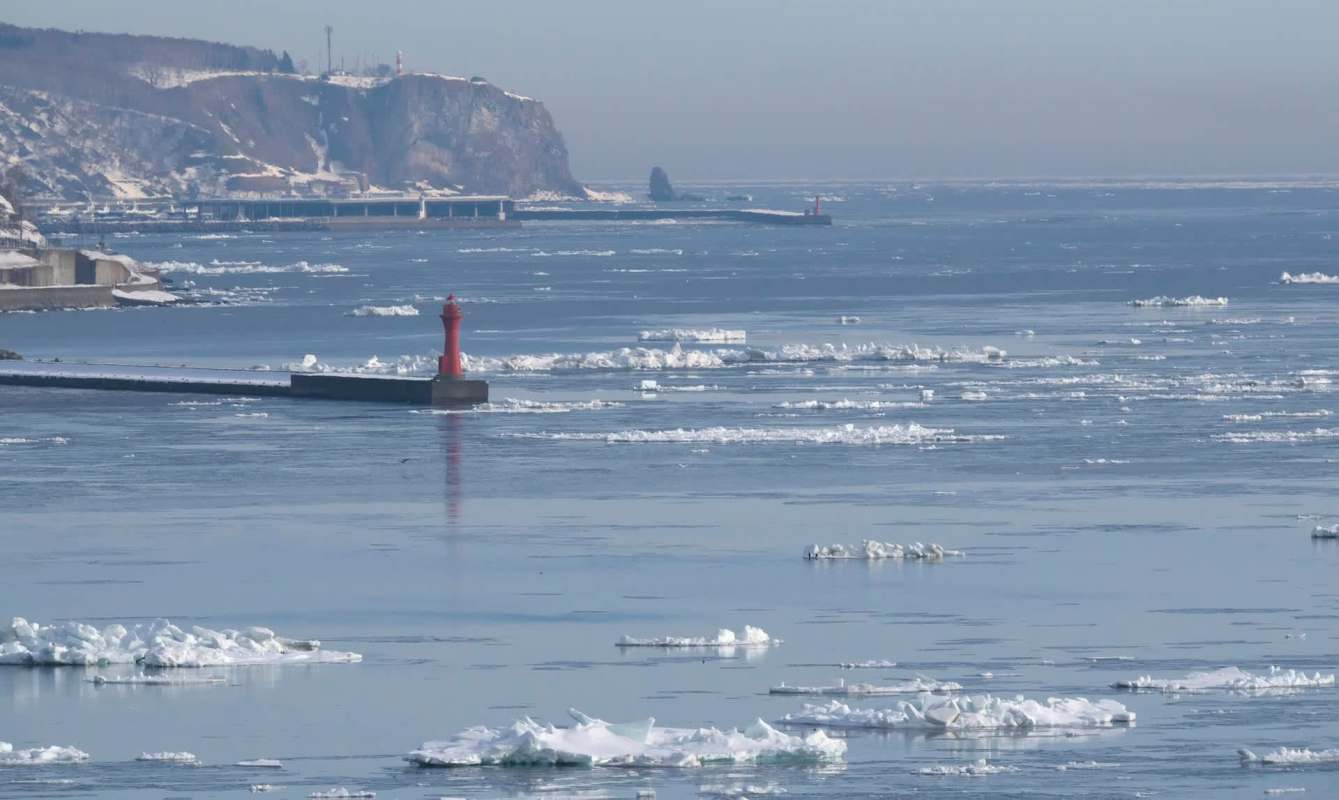
It's well-known that global temperature changes have contributed to sea levels rising. New research indicates the opposite is true, too, and that sea-level rise may have a significant impact on weather.
What's happening?
A team of Chinese and Norwegian scientists published a study in September's Nature Communications that shows sea-level rise promotes more extreme weather events.
In particular, the team looked into extreme cold winter events in East Asia. Using computer models, researchers projected several different but realistic forecasts for the global mean sea level over 2,200 years.
The models showed that, as sea levels rose, so too did the frequency and intensity of extreme weather events. This increase happened not just for countries that are along coastlines, but across the entire studied region.
"GMSL rise can modify synoptic systems and intensify extreme events, suggesting that both coastal and inland countries are exposed to threats arising from GMSL rise," the study said.
Why is this important?
Rising sea levels and increased extreme weather are just two of the many potentially devastating impacts of increasing temperatures worldwide. Because of heat-trapping pollution emitted into our atmosphere, the last 10 years have been the 10 warmest on record, with dire consequences.
TCD Picks » Quince Spotlight
💡These best-sellers from Quince deliver affordable, sustainable luxury for all




As the planet warms, glaciers and Arctic ice shelves melt and ocean water expands, both of which cause the GMSL to increase. Last year, oceans rose by an average of 0.23 inches, and the rate at which they rise has more than doubled since 2023. As the GMSL increases, so does the threat to coastal communities, some of which could eventually be washed away.
This temperature change also creates more unstable weather environments, which leads to more frequent and severe events like floods, hurricanes, and extreme cold spells. The correlation is so strong that, as one expert put it, rising temperatures are "basically steroids for weather."
What's being done about rising sea levels?
Researchers stressed that their findings did not account for all possible permutations of sea-level rise or for regional differences in the rise. But still, their findings should be enough to prompt more in-depth research into this phenomenon.
In the meantime, we can all do our part to prevent further sea-level rise by helping to keep our planet cool. There are countless ways to do this, whether it's by using fewer plastic products, taking public transportation instead of driving, or reducing reliance on fossil fuels by installing solar panels at home.
"Ongoing concerns regarding the influence of sea-level rise cannot be dismissed," researchers wrote in the study. "As time progresses, the enduring impacts of GMSL rise are likely to become increasingly prominent."
|
Do you worry about the quality of the air inside your home?
Click your choice to see results and speak your mind. |
 Yes — often 😬
Join our free newsletter for good news and useful tips, and don't miss this cool list of easy ways to help yourself while helping the planet.







