


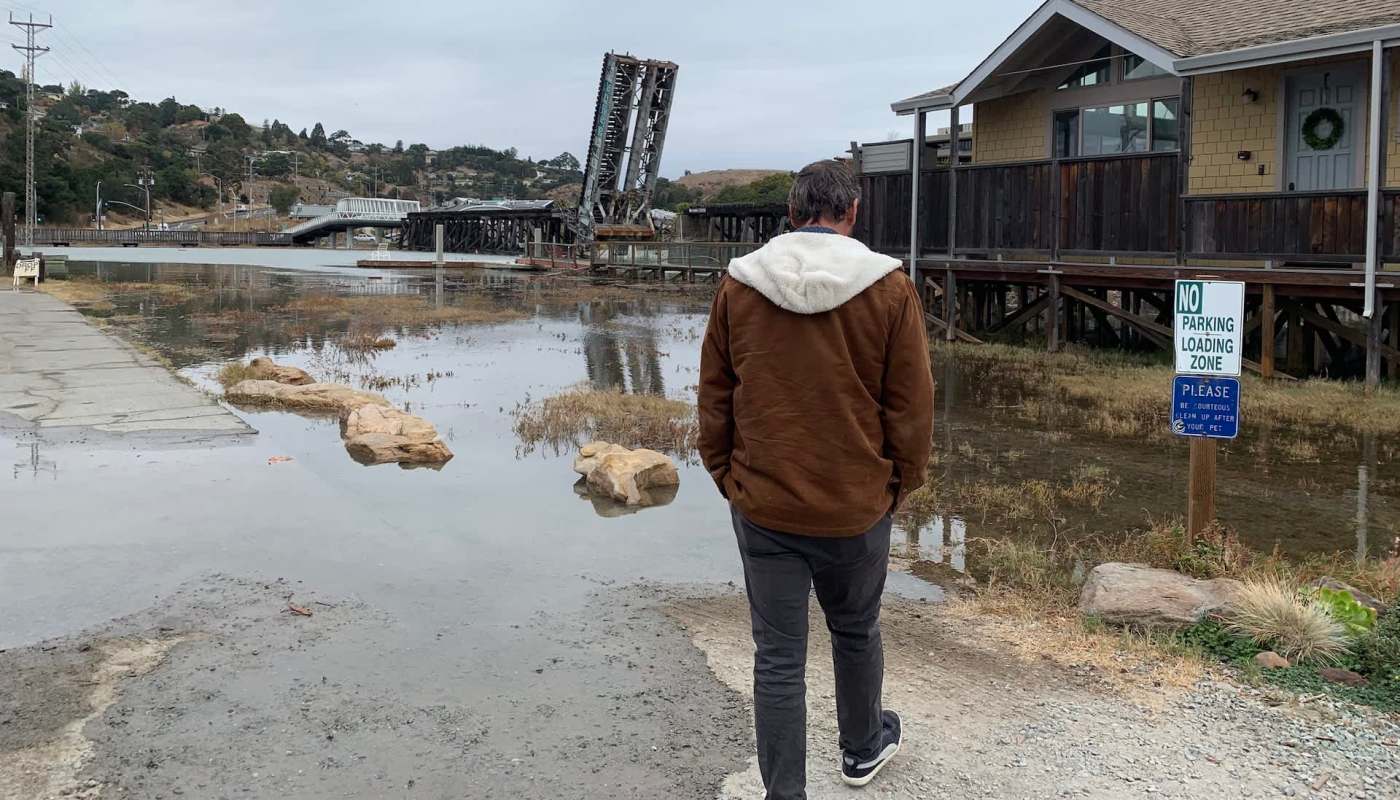
A new report identified San Rafael, California, as the Bay Area's most vulnerable neighborhood to sea-level rise. Residents dealing with chronic flooding need climate resilience in their communities. The neighborhood is under threat of sinking as the bay continues to rise.
What's happening?
According to the San Francisco Chronicle, the Canal District is at risk.
The surrounding region has a soil foundation that fills former wetlands. Its topography causes the land to sink even as the ocean rises.
Per the Chronicle, "parts of eastern San Rafael have sunk by several feet." Over the last 25 years, sea levels have risen 3 inches. Experts expect 12 inches between the next 25 and 45 years.
The impacts are being felt by the Latino and working-class residents. High tides swamp patios and parking areas. Moisture seeps into homes, causing mold and mildew.
"People aren't necessarily aware that this is happening," noted Rita Mazariegos, a member of a community sea-level rise steering committee, per the Chronicle.
Why is sea level rise concerning?
This rising water is a direct result of human activity.
It's brought on by burning coal, oil, or gas, creating planet-overheating pollution. As these energy sources warm the Earth, glaciers melt, and seawater expands.
Isolated weather events, like a high tide or a heavy rainstorm, are temporary shifts. Climate impacts are a long-term pattern of extreme weather.
Extreme weather, such as hurricanes and wildfires, has always existed. However, human-induced changes in the climate can exacerbate life-altering extreme weather.
TCD Picks » Quince Spotlight
💡These best-sellers from Quince deliver affordable, sustainable luxury for all




|
Do you worry about having toxic forever chemicals in your home?
Click your choice to see results and speak your mind. |
 Majorly 😥
 The San Rafael neighborhood's main exit roads would suffer from this sea-level rise. They could be permanently underwater by 2050, per the Chronicle.
What's being done about rising sea levels in the Bay Area?
There are many ways to protect these shorelines and cool the planet.
San Rafael is exploring engineering solutions. Some methods include elevating roadways, upgrading pump stations, and building levees.
Experts suggest innovating architecture in flood zones. One example of a redesign, per the Chronicle, is to "flood-proof on the first floor." Designing buildings to float, as successful models in the Netherlands do, is another consideration.
People can address critical climate issues and support local policies for clean energy. Using electric cars and appliances will reduce the pollution that causes rising tides.
Fair funding and organizations such as the Canal Alliance are developing communal builds. A pedestrian bridge and bayshore land investments will create a safer, drier future.

Get TCD's free newsletters for easy tips to save more, waste less, and make smarter choices — and earn up to $5,000 toward clean upgrades in TCD's exclusive Rewards Club.
Cool Picks






