


The Confederated Tribes of the Colville Reservation and the Sinixt Confederacy recently celebrated their seventh year of salmon restocking above the Grand Coulee Dam. Its barrier has interfered with upstream salmon migration routes for decades, according to Source One News.
Dedicated salmon recovery efforts have proved fruitful as anglers up north in British Columbia have reported catching Chinook salmon for the first time in decades.
As Source One News reported, the Colville Tribes have broken records this year. They released more than 4,500 adult Chinook and sockeye salmon into the Columbia River, above the Grand Coulee Dam.
Almost 900 of these salmon have reached the shared waters between the U.S. and Canada. That's "a tenfold increase," per Source One News, compared to numbers from when salmon recovery efforts started.
Hundreds of thousands of juvenile salmon have also been released into the river system since the start of the Phase 2 Implementation Plan in 2023.
The P2IP is a 20-year plan that was developed by the Confederated Tribes of the Colville Reservation. It aims to reintroduce Chinook and sockeye salmon back into the upstream areas of the Columbia River system. Their migration routes have been disrupted by the Grand Coulee, Chief Joseph, and Spokane River dams.
Perk up the winter blues with natural, hemp-derived gummies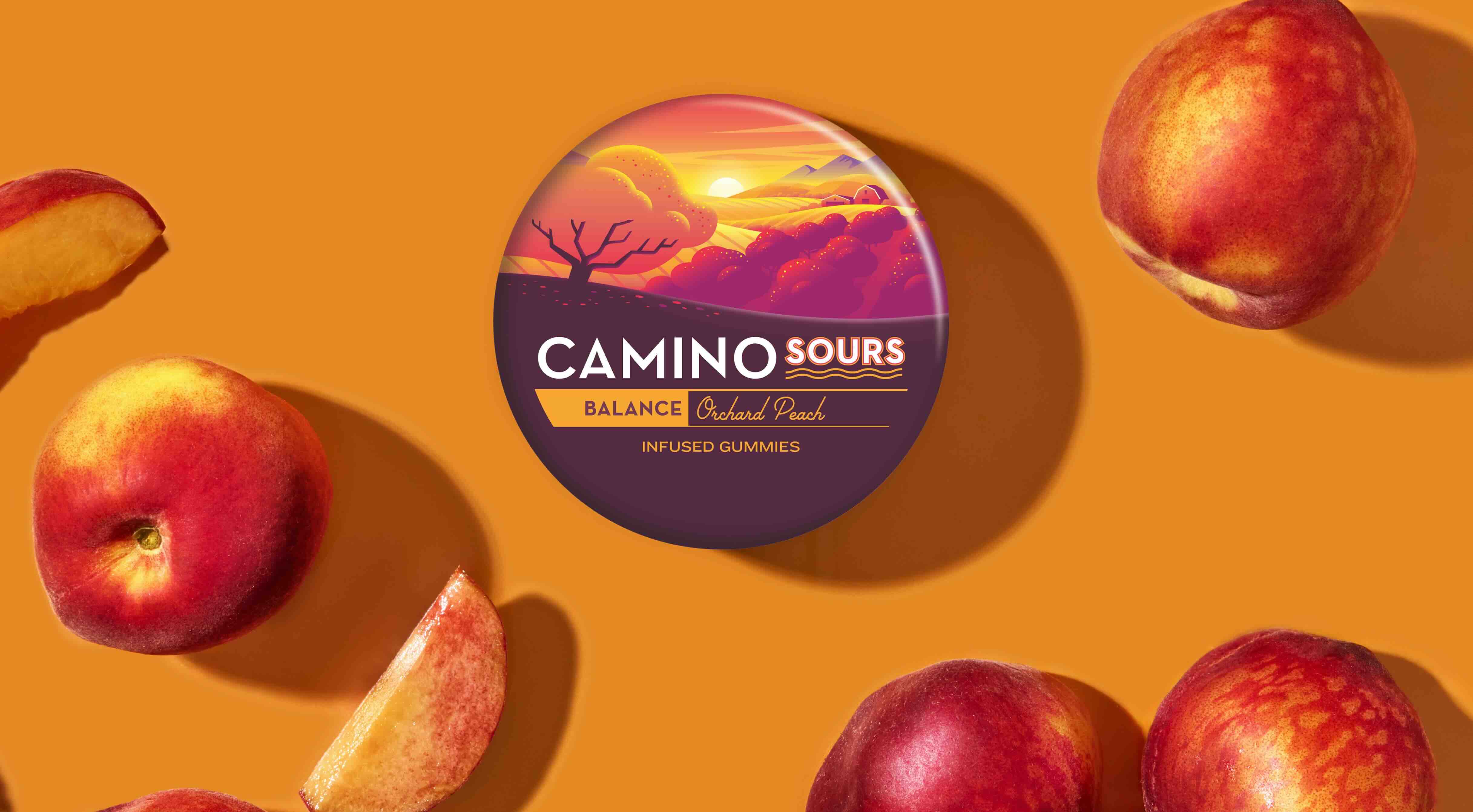 Camino's hemp-derived gummies naturally support balance and recovery without disrupting your routine, so you can enjoy reliable, consistent dosing without guesswork or habit-forming ingredients. Flavors like sparkling pear for social events and tropical-burst for recovery deliver a sophisticated, elevated taste experience — and orchard peach for balance offers everyday support for managing stress while staying clear-headed and elevated.
Learn more → |

In addition to human-made dams, which disrupt migration routes and the salmon spawning cycle, salmon face a host of human-induced threats. They include overfishing, human development that encroaches on freshwater habitats, invasive species in waters where salmon migrate, and warmer waters due to rising global temperatures.
However, salmon recovery efforts led by Indigenous peoples have been largely successful.
According to Source One News, tagging studies have found that approximately 75% of these released salmon have entered Canadian waters. The Sinixt Confederacy has tracked the fish, learning where and when salmon prefer to spawn. This data helps refine salmon conservation efforts, helping to bring salmon species back to Indigenous homelands.
Salmon is deeply rooted in Indigenous culture — particularly in the Pacific Northwest. The fish is an important food source for Indigenous peoples in this region. Salmon is a part of Indigenous practices that honor responsible, sustainable, and circular consumption.
TCD Picks » Upway Spotlight
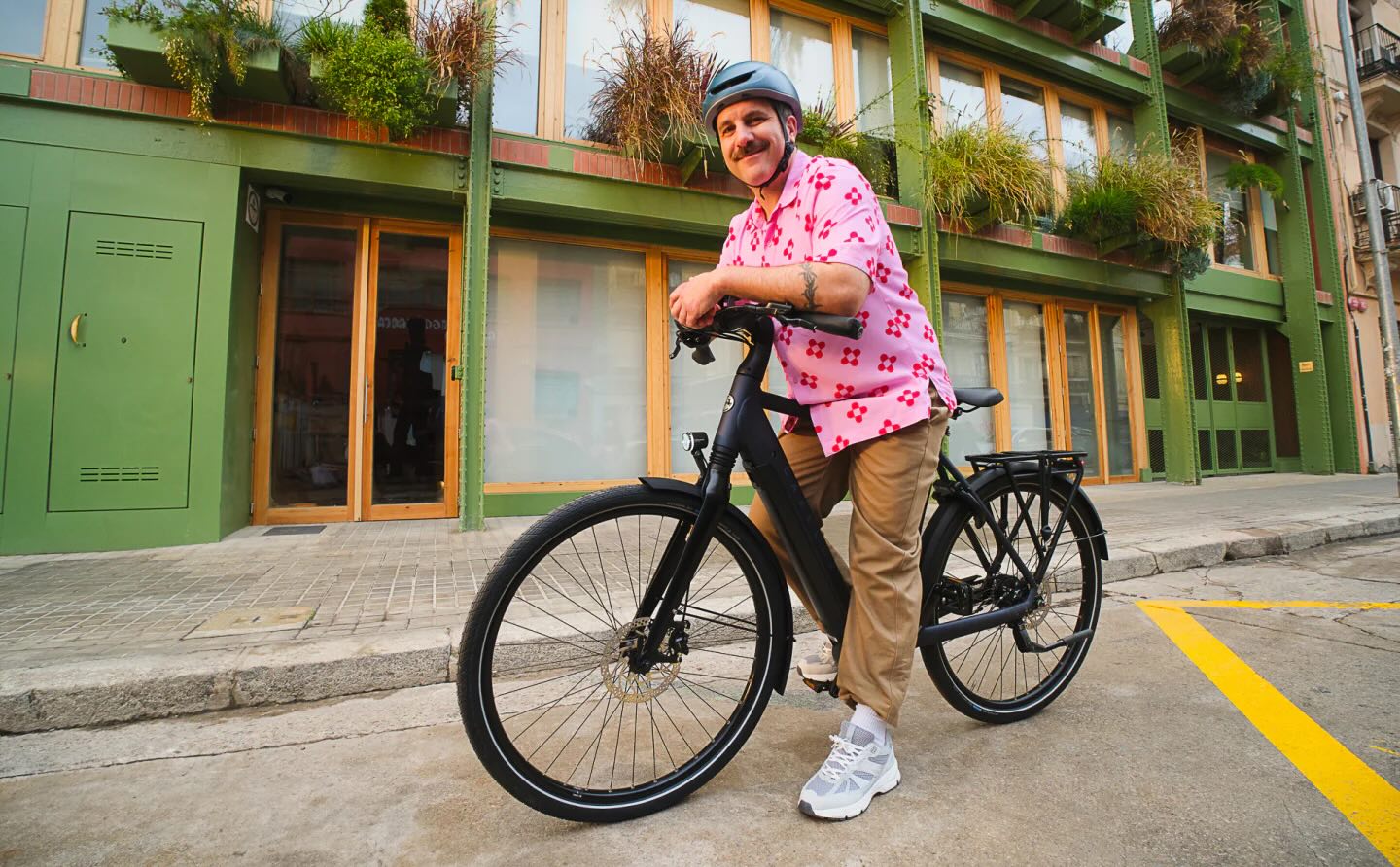
💡Upway makes it easy to find discounts of up to 60% on premium e-bike brands




|
Do you think humans are doing enough to protect endangered animals? Click your choice to see results and speak your mind. |
 Definitely 👍
 Returning salmon species to this region pays homage to the deep ancestral ties that the Colville Tribes and Sinixt Confederacy have to this area.
Salmon also supports river ecosystems as a crucial food source and for transporting nutrients between the ocean and freshwater streams.
One year following the removal of four dams on the Klamath River, scientists have observed a noticeable return of salmon to their natural breeding grounds.
A British Columbia angler who caught a Chinook salmon in Taghum said it "was quite an emotional experience."
"A lot of people pour a lot of work into salmon reintroduction … Their efforts bring us closer each year to the time when these majestic salmon are fully restored," said Colville Tribal Chairman Jarred-Michael Erickson.

Get TCD's free newsletters for easy tips to save more, waste less, and make smarter choices — and earn up to $5,000 toward clean upgrades in TCD's exclusive Rewards Club.
Cool Picks






