


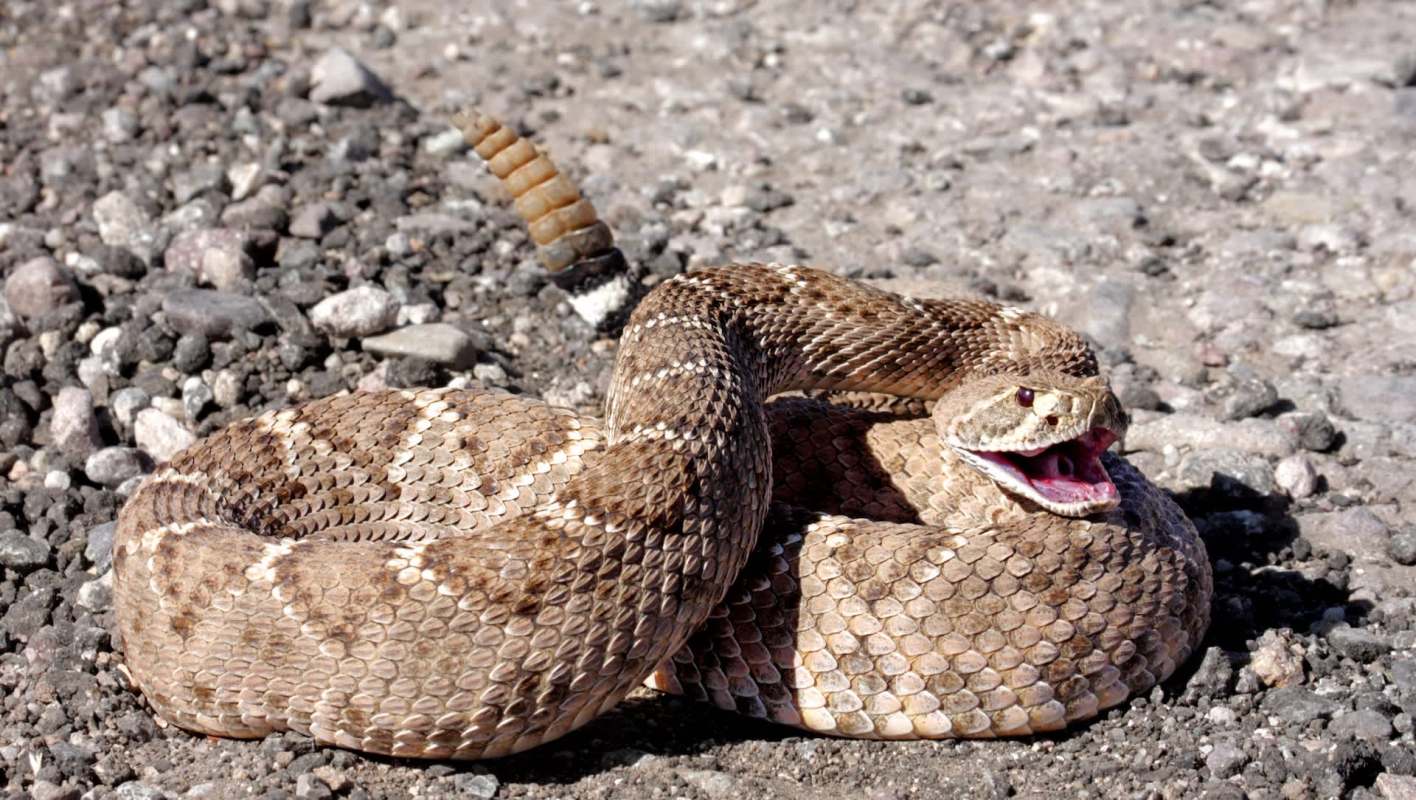
Firefighters in Ventura County, California, are urging hikers to slow down and stay alert after another rattlesnake bite, the latest in a growing string of incidents as warm-weather trail use picks up.
According to ABC7, a woman was bitten on the ankle last Thursday afternoon while hiking in Simi Valley's Wood Ranch area. She was airlifted to a hospital, where she was reportedly in stable condition.
It marked Ventura County's seventh reported rattlesnake bite since March — a notable spike compared with 2025, when the county recorded just nine bites.
Statewide, California has reported three deaths from rattlesnake bites this year. Among them was a 46-year-old woman from Moorpark who died after being bitten in Thousand Oaks in March. In another recent case, a teenager was hospitalized following a bite in Newbury Park, underscoring how quickly a trail encounter can turn serious.
For hikers, the Ventura County Fire Department's guidance was straightforward: Stick to marked trails, avoid tall grass and brush, and use caution when stepping over rocks and logs. Officials also recommended wearing hiking boots and long pants to reduce the risk of a strike.
The recent uptick reflects a broader pattern in areas such as Simi Valley and Thousand Oaks, where more people are hiking, biking, and living along the wildland-urban edge. As outdoor activity increases in dry, brushy habitats favored by rattlesnakes, encounters with wildlife become more likely.
TCD Picks » Quince Spotlight
💡These best-sellers from Quince deliver affordable, sustainable luxury for all




At the same time, habitat loss is pushing animals, including rattlesnakes, into closer proximity with people. Changes in land use can also strain natural resources, forcing snakes to travel farther and into unfamiliar areas in search of food and water.
It's also a reminder that outdoor recreation comes with shared-space responsibilities. Staying aware on the trail can prevent injuries, reduce emergency rescues, and avoid harm to snakes, which are generally defensive rather than aggressive.
As experienced hiker Fred Houston put it, "The key note is watch where you're walking — especially the edges of your trail — and 99% of the time, you're going to see them, if you're paying attention, long before they become aware of you."
With reported bites climbing, that advice could prove life-saving.

Get TCD's free newsletters for easy tips, smart advice, and a chance to earn $5,000 toward home upgrades. To see more stories like this one, change your Google preferences here.







