


Utility providers in several West Coast states are resorting to a "deeply unpopular" and fairly new tactic as a precaution against fire risk, according to Bloomberg.
What's happening?
As the outlet noted, several Western states endured an "unusually warm, arid winter."
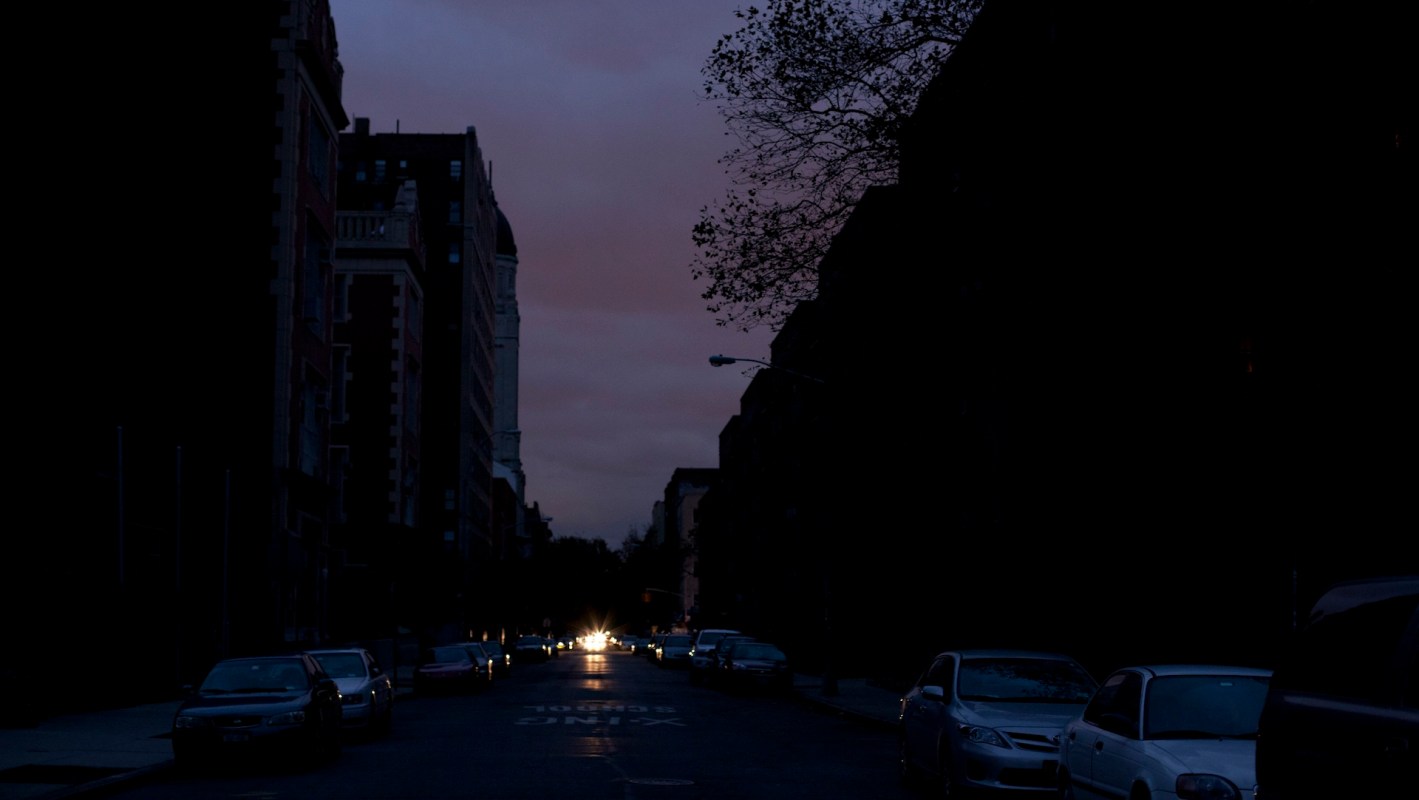
Amid "fire weather alerts" in December and January, utility provider Xcel Energy intentionally cut power to more than 50,000 homes in Colorado.
That's known as a public safety power shutoff, a relatively novel mechanism for utility providers to mitigate wildfires during high-risk periods. The first PSPS occurred in San Diego in 2012, per the Federal Geographic Data Committee.
Public safety power shutoffs are not just unpopular; they're a gamble.
In what the outlet described as a rare "massive shut-off" in October 2019, vital equipment lost power, and critical perishables like insulin were destroyed when PG&E cut power to "nearly 1 million customers."
During a recent extreme weather event in Hawaiʻi, utility provider Hawaiian Electric acknowledged that intermittent PSPS decisions might be necessary.
Why is this concerning?
In addition to impacts on agriculture and daily life, drought conditions have a complex effect on wildfires, creating abundant fuel in the form of dry vegetation, raising temperatures, and sapping local water supplies, as Drought.gov explained.
Going back to September, 64% of states in the West were experiencing "moderate drought," with over 45% enduring severe drought.
As autumn turned into winter, a persistent snow drought battered states like Utah and Colorado, causing significant economic upheaval in regions heavily reliant on winter ski tourism.
TCD Picks » Upway Spotlight
💡Upway makes it easy to find discounts of up to 60% on premium e-bike brands




|
What's the most you'd pay per month to put solar panels on your roof if there was no down payment?
Click your choice to see results and speak your mind. |
 $200 or more 💰
 By February, Colorado's snowpack had fallen to record lows, prompting one expert to describe the situation as potentially "unprecedented territory," sparking concerns about water levels this year.
Insufficient snowpack posed problems and increased fire risk in Oregon, a scenario scientists warned was likely in early last year.
Extreme weather is a rapidly worsening global problem driven by rising temperatures, becoming costlier and deadlier each year.
What's being done about it?
These events have wide-reaching implications, from reduced crop yields and higher food costs to an increasingly unstable public power grid.
Installing solar panels is becoming more common in a volatile energy landscape, and TCD's Solar Explorer makes it easy to find the best setup for your home, connect with vetted local techs, and even save up to $10,000 on a new solar installation.
Partners like EnergySage also offer a free service to make going solar stress-free, maximizing available incentives to save you money on reliable, clean energy and a more resilient home.
PG&E's senior director of meteorology and fire science, Scott Strenfel, told Bloomberg that ordering a PSPS was always stressful because the ideal outcome was "nothing."
Atmospheric scientist Scott Capps agreed.
"Nobody is ever going to know that because [a wildfire] didn't happen. It's a damned-if-you-do, damned-if-you-don't decision if you turn the power off," Capps explained, per Bloomberg.

Get TCD's free newsletters for easy tips to save more, waste less, and make smarter choices — and earn up to $5,000 toward clean upgrades in TCD's exclusive Rewards Club.
Cool Picks






