


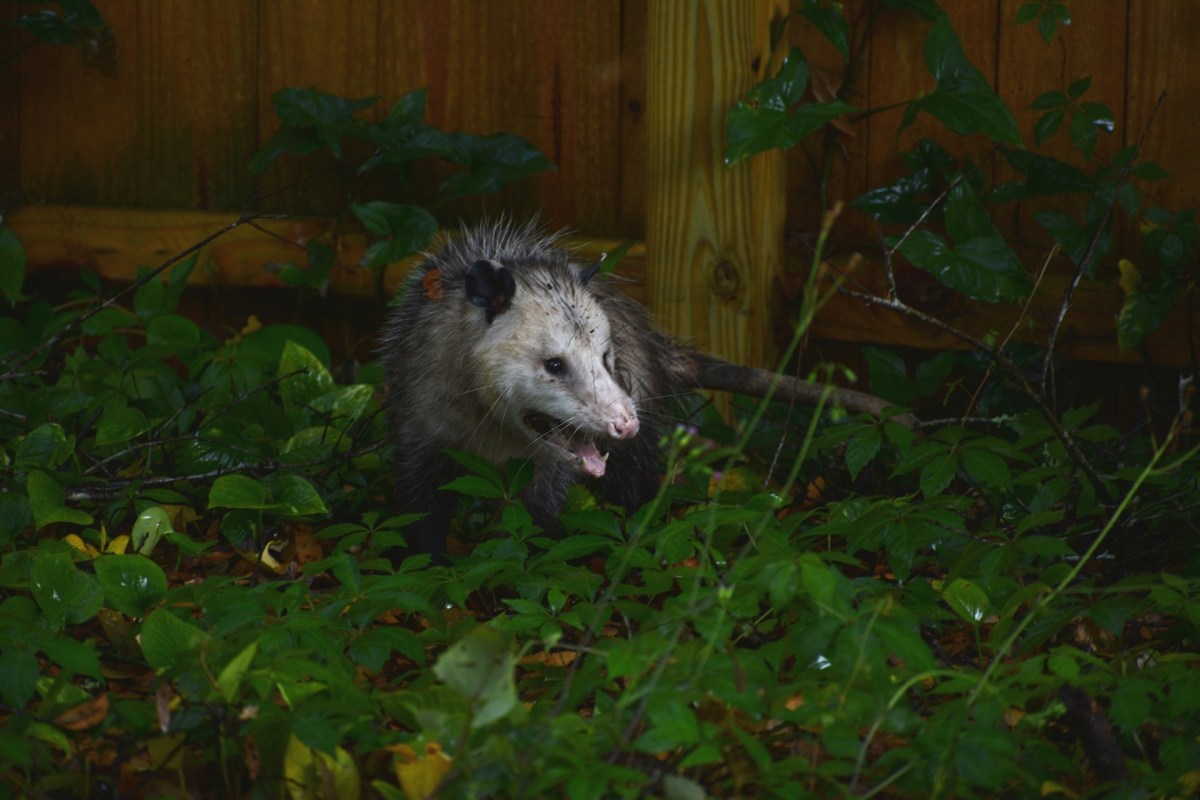
Opossums — or, as they are more commonly referred to in America, just possums — have become crucial players in conservation initiatives in Florida, helping control the highly destructive population of non-native Burmese pythons.
Collaborative research led by biologists A.J. Sanjar and Michael Cove has enhanced opossum-based tracking technology to identify and manage displaced pythons in the Crocodile Lake National Wildlife Refuge in Key Largo, Florida, according to CBS12.
Originating from South Asia, the pythons were brought to Florida through the exotic pet trade and have moved northward from the Everglades. These snakes can grow up to 19 feet long and have posed a significant threat to the local ecosystem since their introduction in the 2000s.
Native species have experienced population declines of up to 99%, including two endangered species that the pythons are eating — Key Largo woodrats and Key Largo cotton mice.
One challenge in managing pythons is their elusive behavior, compounded by the difficult-to-access terrain and their nocturnal tendencies, which complicate accurate population assessments and efforts to capture and remove them.
Researchers are placing tracking collars on opossums that the snakes feed on, and the collars alert them when the opossum dies. They can then track the collar and remove the snakes from the ecosystem. Their focus is on taking big breeder pythons, which lay 30-60 eggs each spring.
TCD Picks » Quince Spotlight
💡These best-sellers from Quince deliver affordable, sustainable luxury for all




Their research has yielded promising results. The cost of tracking collars has dropped from $1,500 to $190, allowing researchers to outfit 32 targeted opossums with these devices, aiming to reach a total of 40.
Some members of the public thought researchers were using the animals cruelly as bait.
"We're not putting these animals out there and in harm's way," said Jeremy Dixon, manager of the refuge, according to CBS12. "Harm's way is there. We're just documenting what's happening."
Others have been working to remove non-native snakes from the Everglades, including through contractors, the annual Florida Python Challenge, and even robotic rabbits. Sanjar hopes that land managers statewide can use the tracking method alongside other efforts.
"We're getting [pythons] way back in areas where they may never cross the road," said Dixon, according to CBS12. "I think that's really interesting. The possums are showing us where the snakes are."
|
Which of these savings plans for rooftop solar panels would be most appealing for you?
Click your choice to see results and earn rewards to spend on home upgrades. |
 Save $1,000 this year 💸
Get TCD's free newsletters for easy tips, smart advice, and a chance to earn $5,000 toward home upgrades. To see more stories like this one, change your Google preferences here.







