


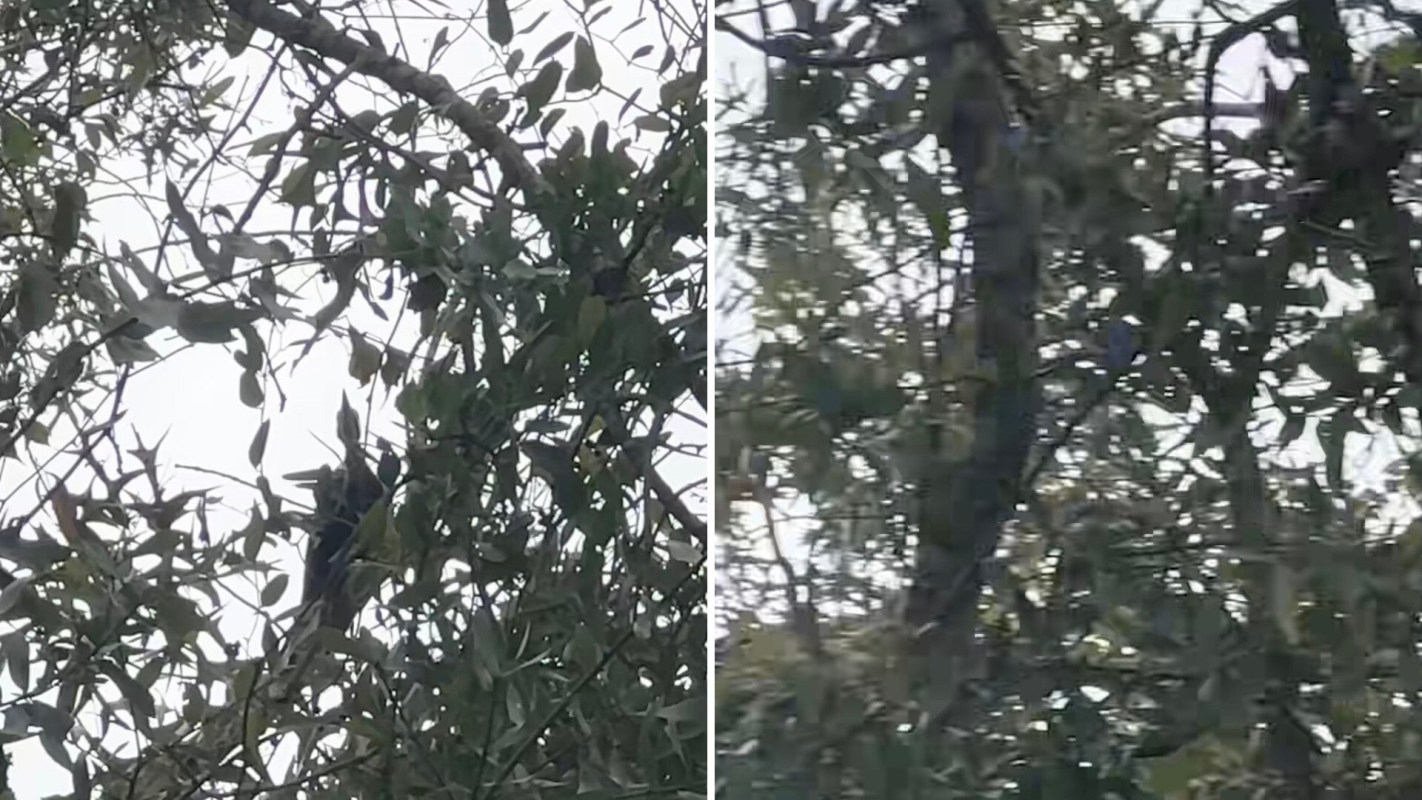
One TikToker was delighted when an unexpected animal visitor stopped by their backyard.
Photosynthsavage (@photosynthsavage) captured a short video of a pileated woodpecker with a vibrant red crest hopping along a tree branch before taking flight.
@photosynthesavage "Meet the Pileated Woodpecker — one of the largest woodpeckers in North America! 🌲🪶 They help keep forests healthy by controlling insect populations and creating nesting cavities that other birds use too. Nature's own ecosystem engineers!" #nature #birds #wildlife #gardening #outdoors ♬ Forest Noises - Nature Radiance
The original poster noted that pileated woodpeckers are among the largest woodpecker species in North America.
"They help keep forests healthy by controlling insect populations and creating nesting cavities that other birds use too," the description under the post reads. "Nature's own ecosystem engineers!"
"Oh wow check him out," one commenter wrote under the post.
"Beautiful!" wrote another.
Perk up the winter blues with natural, hemp-derived gummies Camino's hemp-derived gummies naturally support balance and recovery without disrupting your routine, so you can enjoy reliable, consistent dosing without guesswork or habit-forming ingredients. Flavors like sparkling pear for social events and tropical-burst for recovery deliver a sophisticated, elevated taste experience — and orchard peach for balance offers everyday support for managing stress while staying clear-headed and elevated.
Learn more → |

Indeed, birds, insects, and plants are all part of the larger ecosystem and must be protected to maintain its stability.
Governments and conservation groups play a significant role in ensuring that ecosystems remain healthy and stable. Without proper protection, biodiversity could crumble, and the populations of birds and other animals, such as the pileated woodpecker, could decline.
Thankfully, the pileated woodpecker is not at risk of becoming endangered, but many animals are because of human-caused threats.
One surefire way people can help to maintain a healthy ecosystem is by cultivating a natural lawn with native plants.
TCD Picks » Upway Spotlight
💡Upway makes it easy to find discounts of up to 60% on premium e-bike brands





|
What's your preferred style of yard? Click your choice to see results and speak your mind. |
 Nicely cut grass 😎
 A natural lawn, using ground cover like clover or buffalo grass, can help you save money by requiring less water and maintenance than typical monoculture lawns. Xeriscaping, using drought-tolerant plants and landscaping features like stones, is a great option for drier climates.
Meanwhile, native plants are adapted to local soil and climate patterns, so they don't need as much attention as non-native species. They also attract pollinators that support our food supply and assist all other plant growth by spreading pollen and seeds.
Rewilding your yard with native plants, even if it's just a small patch, will attract helpful birds and insects while naturally deterring creatures that would harm your yard by munching on your vegetables or beautiful flowers.
This can avoid the need for harmful pesticides, which can kill desired plants and poison important animals. Some native plants can even slow weed growth, reducing the need to spend hours of your day plucking them out or using even more chemicals to keep them at bay.

Get TCD's free newsletters for easy tips to save more, waste less, and make smarter choices — and earn up to $5,000 toward clean upgrades in TCD's exclusive Rewards Club.
Cool Picks






