


Following heavy rainfall brought on by an enhanced southwest monsoon and several tropical cyclones, officials in Luzon — the largest, most populous island in the Philippines — reported higher water levels at several reservoirs and opened multiple gates to prevent overflows, per GMA News.
While the onslaught of rain led to flooding in some areas, it was also much-needed after prolonged droughts had impacted the country over the last two years, induced by a powerful El Niño, according to the United Nations.
As GMA News reported, Severe Tropical Storm Opong and a strong monsoon caused water levels to rise in at least six dams. Angat Dam, Metro Manila's main water source, recorded nearly a half-foot rise in one day, bringing it just 10 feet away from its normal high-water level of 688 feet. According to The Manila Times, water from the dam is also used for agricultural purposes in nearby provinces.
In Northern Luzon, Ambuklao Dam reached about 2,465 feet, just two feet shy of its normal operating level. Officials opened two gates to release the overflow, and did the same at other dams in the area.
While the southwest monsoon, also known as "habagat," is crucial to replenish water supplies for agriculture, power generation at hydroelectric plants, and residential use, it's a double-edged sword since heavy rains falling in a short period can cause widespread flooding, especially in low-lying areas.
In early October, at least 55 families in Ifugao had to evacuate after officials opened the gates at Magat Dam to release excess water, and a nearby town was "placed under high risk alert," per Philstar Global.
Perk up the winter blues with natural, hemp-derived gummies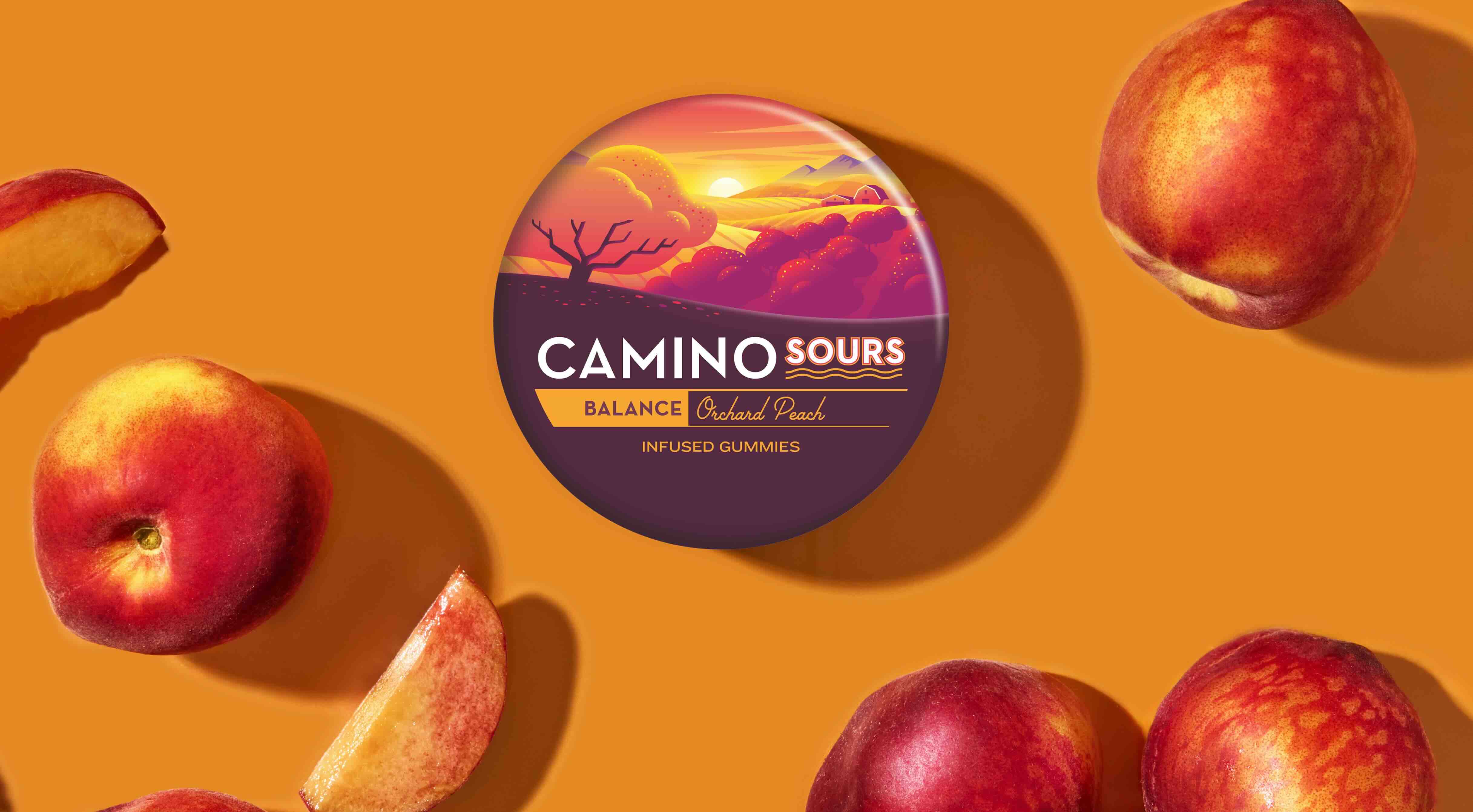 Camino's hemp-derived gummies naturally support balance and recovery without disrupting your routine, so you can enjoy reliable, consistent dosing without guesswork or habit-forming ingredients. Flavors like sparkling pear for social events and tropical-burst for recovery deliver a sophisticated, elevated taste experience — and orchard peach for balance offers everyday support for managing stress while staying clear-headed and elevated.
Learn more → |

The bright side, however, is that the refilled reservoirs should help reverse some of the devastating impacts from the recent droughts that affected nearly 1 million families across the Philippines, according to the nonprofit Save the Children.
It caused widespread crop failures, water shortages, and poor soil health, forcing some families to withdraw their children from school to assist with farming. NPR explained that the changing climate is making El Niño events more intense, and in countries that heavily depend on agriculture for income, the effects are usually felt more deeply.
Luckily, the Philippine Atmospheric, Geophysical, and Astronomical Services Administration is expecting above-normal rainfall through February 2026, with the return of La Niña conditions, as reported by Rappler. This should help boost the country's agriculture and enable it to recover from the ongoing drought.
|
What supplies do you keep on hand in case of a blackout? Click your choice to see results and speak your mind. |
 Just a flashlight 🔦
Join our free newsletter for good news and useful tips, and don't miss this cool list of easy ways to help yourself while helping the planet.
TCD Picks » Upway Spotlight
💡Upway makes it easy to find discounts of up to 60% on premium e-bike brands





Cool Picks






