


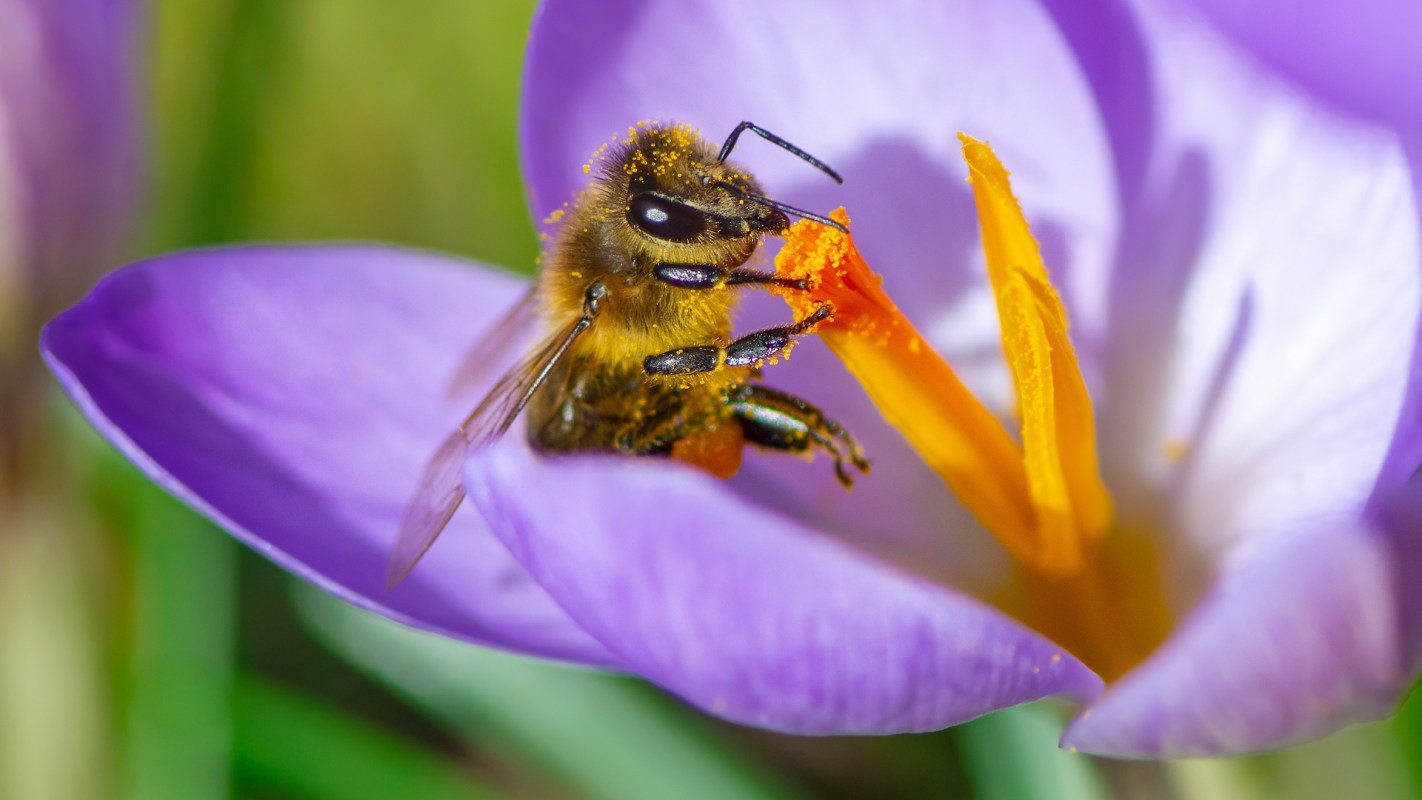
The insects Pennsylvanians notice most in warm weather, including fireflies and backyard pollinators, do more than signal summer — they can also reflect the condition of surrounding ecosystems.
Advocates warn that many of those insects are becoming less common, and they say a gap in state law is making it harder to protect them before the problem gets worse, PennEnvironment reported.
What's happening?
A wide range of insects native to Pennsylvania are losing ground, and the organization is calling on lawmakers to fix what it describes as an insect conservation loophole.
Among the examples PennEnvironment highlighted are the state's official insect, the lightning bug or firefly, whose numbers are falling because of habitat loss, light pollution, and pesticides.
The group also cited declines in about one-third of Pennsylvania's 144 native bee species, and noted that the native rusty patched bumble bee is "listed as federally endangered."
Concern about butterflies is growing as well.
TCD Picks » Quince Spotlight
💡These best-sellers from Quince deliver affordable, sustainable luxury for all




PennEnvironment said 18 butterfly species in Pennsylvania are considered imperiled, critically imperiled, or vulnerable.
It also noted that the monarch butterfly population has fallen by 90% across North America and is now a candidate for protection under the Endangered Species Act, while the eastern regal fritillary's only known global population is in Lebanon County, Pennsylvania.
Advocates say Pennsylvania has no agency assigned to oversee bees, butterflies, and other insects in the way other agencies oversee mammals, birds, fish, amphibians, reptiles, and rare plants.
Why does it matter?
Because insects pollinate orchards, gardens, and wild plants, their decline can affect food systems, biodiversity, and the overall health of local landscapes.
That can mean fewer pollinators for crops and native plants, along with weaker natural processes that help ecosystems remain resilient.
As those systems deteriorate, advocates say, the effects can reach farmers, gardeners, and families who rely on healthy parks and thriving green spaces.
Advocates say the lack of a state agency responsible for insect protection could make it harder for Pennsylvania to preserve habitat in time to avoid steeper declines.
PennEnvironment also said the loophole could keep the state from accessing federal funding tied to protecting vulnerable species — money that could otherwise support habitat restoration and other conservation work.
What's being done about it?
PennEnvironment has begun a campaign in Harrisburg to build backing for stronger insect protections, including legislation that would give oversight duties to the Pennsylvania Department of Conservation and Natural Resources.
The group also cited a recent bipartisan development, the passage of House Resolution 66.
The measure directs state officials to study the best ways to protect Pennsylvania's insects, with findings due at the end of 2026.
Advocates are also supporting House Bill 441, introduced by state Rep. Chris Pielli.
The bill would close the loophole by giving the department authority to oversee native pollinators and other insects. It has already passed the state House and is now awaiting action in the Senate.
PennEnvironment said Pennsylvania's bees, butterflies, and other insects can "fall through the cracks" without agency oversight.
Closing that loophole, the group argued, would help ensure the state's "bees, butterflies, and all our wonderful insects aren't left behind."

Get TCD's free newsletters for easy tips, smart advice, and a chance to earn $5,000 toward home upgrades. To see more stories like this one, change your Google preferences here.







