


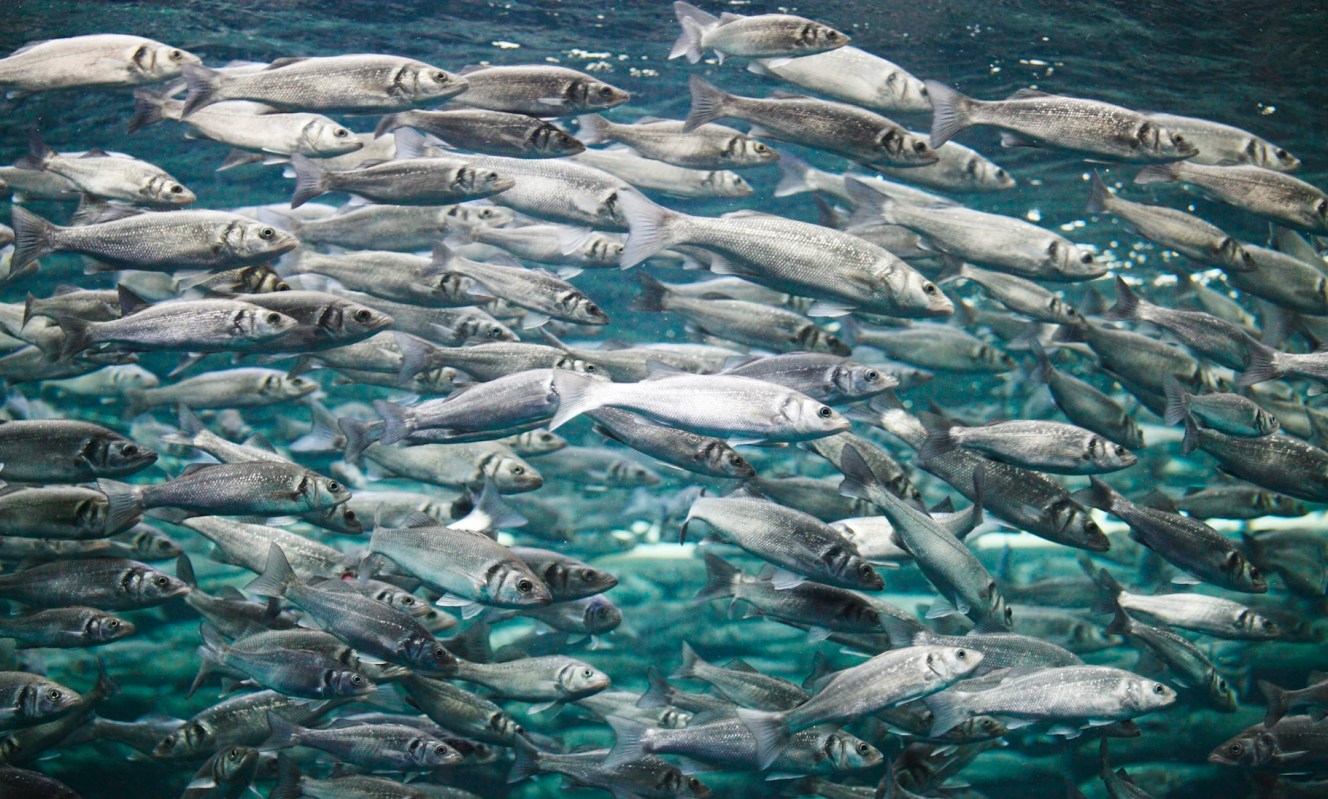
You might not think that the temperature of the ocean has much to do with international politics. But a new study shows how a warming planet is creating a major problem on the high seas.
As ocean heat forces fish to search for cooler waters, they are swimming out of coastal nations' protected zones and into unregulated international territory. This migration is setting the stage for a global crisis that could affect everything from our food supply to the economic stability of entire countries.
What's happening?
According to a report by Mongabay, a recent study found that fish stocks are increasingly migrating out of the warmer waters of countries' exclusive economic zones. The research projects that by 2050, some nations could lose a significant portion of their fish stocks to cooler, international waters.
Why is this concerning?
When fish pack up and leave a country's waters, they take a huge part of the local economy with them. This is a massive blow for tropical countries and Pacific Island nations that depend on their fisheries to survive.
A study in the journal Nature highlighted how warming waters are expected to drive tuna populations away from Pacific Island nations. This will threaten their fishing economies.
"It's an important issue because these fish are not only a source of food but also a source of income for many people," said fisheries scientist Vicky Lam in the Mongabay report.
And this isn't just a one-off event. Our warming planet is shaking things up all over the ocean.
In the U.K., an unusual surge in jellyfish has been linked to warming seas. In the U.S., rising temperatures are forcing cold-water fish like bull trout into smaller habitats where they face new competition from invasive species. The Mediterranean is even going through a "tropicalization" as species like the invasive lionfish move in and completely disrupt the native ecosystem.
What's being done about it?
The solution lies in a combination of global teamwork and dedicated local action. The good news is that when local communities take the lead in protecting their natural resources, the results can be incredible.
Local conservation efforts near the Amazon River have brought a giant fish called the arapaima back from the verge of extinction. In Pakistan, massive mangrove planting and conservation efforts have nearly tripled the country's mangrove forests. And in Mexico, a commercial fishing ban in a national park has shown that it's possible to protect marine life without hurting the overall fishing industry.
TCD Picks » Quince Spotlight
💡These best-sellers from Quince deliver affordable, sustainable luxury for all




While the migration of our planet's fish is a serious warning, these successful local conservation stories prove that it's not over yet. With cooperation and community action, it's not too late to protect our oceans for future generations.
|
Do you think America does a good job of protecting its natural beauty? Click your choice to see results and speak your mind. |
 Definitely 👍
Join our free newsletter for good news and useful tips, and don't miss this cool list of easy ways to help yourself while helping the planet.
Cool Picks






