


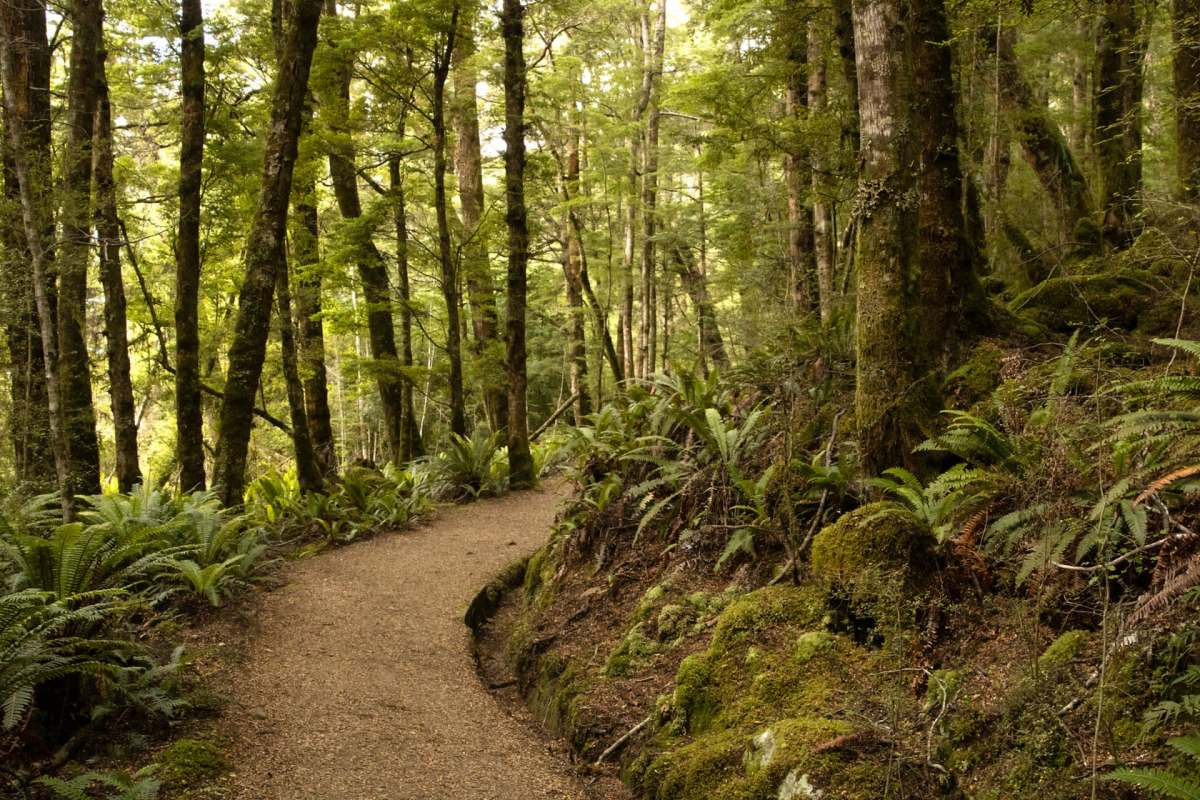
European settlers introduced many species when they arrived in New Zealand in the late 1800s. While the intent was for food, fur, farming, and companionship, these species also decimated Indigenous animal populations.
Almost 150 years later, eco-sanctuaries are turning to AI to help eliminate the invasive species. Their goal is to have New Zealand pest-free by 2050.
A flightless bird called the takahē was declared extinct in 1898, according to the Guardian; however, a group of scientists found a small population in 1948 and has since been working on conservation efforts.
Ecosanctuaries' takahē populations have surpassed 500 birds, as reported by NPR, but have had to build, what NPR says, "the equivalent of a high-security facility for wildlife, complete with a Jurassic Park-style fence" to keep out invasive species like stoats.
Madison Kelly, an employee at an ecosanctuary called Orokonui, commented that their facility is more of a hybrid biodiversity and community project. Considering the size of the country, it's nearly impossible to eradicate all invasive species, as the costs are over $100 million annually.
Scientists are turning to AI to significantly reduce costs, including AI-assisted cameras and traps equipped with sensors that allow them to lay bait only for the invasive species.
Perk up the winter blues with natural, hemp-derived gummies Camino's hemp-derived gummies naturally support balance and recovery without disrupting your routine, so you can enjoy reliable, consistent dosing without guesswork or habit-forming ingredients. Flavors like sparkling pear for social events and tropical-burst for recovery deliver a sophisticated, elevated taste experience — and orchard peach for balance offers everyday support for managing stress while staying clear-headed and elevated.
Learn more → |

"Machine learning and artificial intelligence can really help improve our work, save us a lot of time and money, and actually make it so much more effective," Jonah Kitto-Verhoef of the Halo Project, an organization that manages the traps, said to NPR. "[These] animals that have been here for millions of years, evolving in isolation, have an intrinsic right to life."
Conservation efforts can include wildlife trail cameras, breeding programs away from the wild, buying land to preserve biodiversity and prevent tourism, and full-scale sanctuaries.
When humans put in effort to reverse the damage caused by early settlers, invasive species, and rising temperatures, we can see improvements like the increase in the porpoise population in China and the preservation of 3,500 acres of land in Maine.
Brent Beaven, a manager at the Predator Free 2050 program at New Zealand's Department of Conservation, mentioned that by 2050, "We'll still be in a position where we've created a whole lot of new tools and technology that's going to allow us to better protect our native wildlife, [and it's] completely step-changing the way we approach conservation in New Zealand."
TCD Picks » Upway Spotlight
💡Upway makes it easy to find discounts of up to 60% on premium e-bike brands





|
Do you think America does a good job of protecting its natural beauty? Click your choice to see results and speak your mind. |
 Definitely 👍
💰Get TCD's free newsletters for easy tips to save more, waste less, and make smarter choices — and earn up to $5,000 toward clean upgrades in TCD's exclusive Rewards Club.
Cool Picks






