


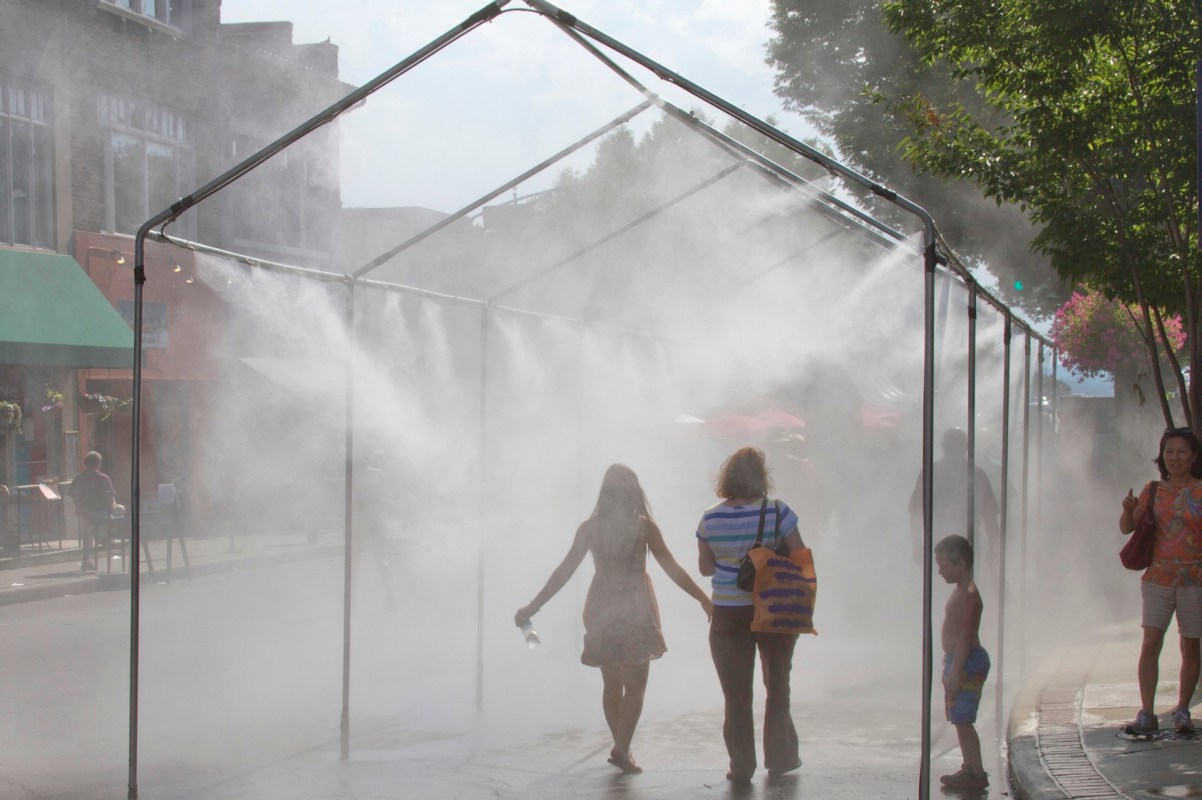
New York City experienced an unusual burst of dangerous heat this week, with "real feel" temperatures in the mid-to-upper 90s even before summer hits.
The two-day weather event brought added health risks related to poor air quality and the possibility of severe storms.
What happened?
City officials launched emergency heat protocols ahead of the hot spell beginning Tuesday, a response that included cooling centers and outreach to people most vulnerable to heat-related illness, Gothamist reported.
The city's Department of Homeless Services also issued a Code Red through Wednesday and asked residents to call 311 if they spotted someone who may need assistance.
According to Gothamist, the National Weather Service issued a heat advisory for the city starting at 11 a.m. on Tuesday and lasting until 8 p.m. on Wednesday, with temperatures expected to drop to the 70s and mid-60s later in the week. New York State also issued an air quality health alert through 11 p.m. on Tuesday due to elevated ground-level ozone.
Why does it matter?
Extreme heat is one of the deadliest weather conditions, and city officials say it kills more than 500 New Yorkers on average each year. Groups most vulnerable include older adults, unhoused residents, people living with asthma or heart disease, and anyone without air conditioning.
TCD Picks » Quince Spotlight
💡These best-sellers from Quince deliver affordable, sustainable luxury for all




This kind of early heat wave can be especially dangerous because people may not be physically or mentally prepared for soaring temperatures in late spring. Signs of heat illness include hot, dry skin, nausea or vomiting, and loss of consciousness — symptoms that can quickly become life-threatening without fast intervention.
Dangerous heat can make commuting and outdoor work unsafe, increase cooling bills, worsen air pollution, and disrupt community safety in neighborhoods already facing health and economic stress.
The added air quality alert makes the situation even more serious. For people with breathing issues, a hot day outdoors is not just uncomfortable — it can trigger symptoms that interfere with daily life and require medical care.
What can I do?
For residents in areas affected by extreme heat, the most important step is to stay hydrated and in shaded, air-conditioned spaces when possible, especially during the hottest afternoon hours.
Checking on neighbors, older relatives, and anyone who may be isolated or without reliable cooling can also make a major difference.
"Just as New Yorkers look out for one another through the coldest days of winter, we must do the same through the hottest days of the year," Mayor Zohran Mamdani said in a statement.

Get TCD's free newsletters for easy tips, smart advice, and a chance to earn $5,000 toward home upgrades. To see more stories like this one, change your Google preferences here.







