


A captive breeding program at a New York City zoo is lending a hand to a major repopulation project in New England.
Phys.org reports that 15 young New England cottontail rabbits bred in the Queens Zoo were recently released into the wilds of Maine and Massachusetts.
Ten were freed in the south of the Pine Tree State, six at Fort Fisher, and four at a nearby animal sanctuary. The remainder were set loose on Thatcher Island, off the coast of Rockport.
They were all vaccinated and chipped, and their movements will be monitored closely. To enhance their chances of success, human contact with the kits was kept to a minimum.
The Queens Zoo is one of the institutions participating in a broader program to revive New England's only native rabbit species. The rabbits have suffered from extensive habitat loss —80% since the 1960s —and competition from the larger eastern cottontail, introduced to the area in the 1800s.
So far, the zoo has released 145 rabbits into Maine, Massachusetts, New Hampshire, and Rhode Island.
Perk up the winter blues with natural, hemp-derived gummies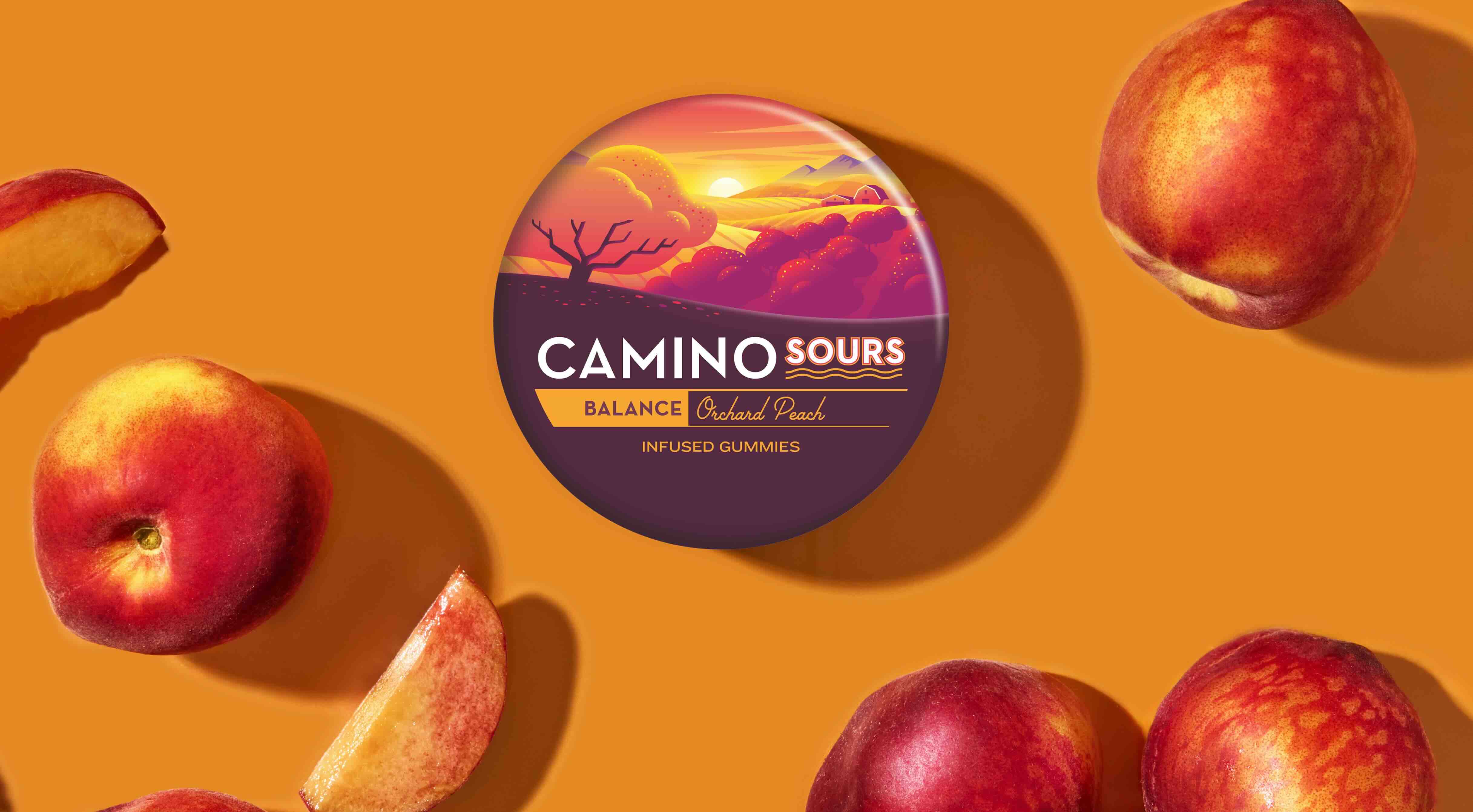 Camino's hemp-derived gummies naturally support balance and recovery without disrupting your routine, so you can enjoy reliable, consistent dosing without guesswork or habit-forming ingredients. Flavors like sparkling pear for social events and tropical-burst for recovery deliver a sophisticated, elevated taste experience — and orchard peach for balance offers everyday support for managing stress while staying clear-headed and elevated.
Learn more → |

The zoo's assistant curator of animals, Donna-Mae Butcher, described the latest release as "an important step" in the species' ongoing recovery.
"By working together with our partners, we are helping to ensure that this native rabbit has a future," she said.
Rewilding projects exemplify critical grassroots conservation efforts underway worldwide. Restoring a species to its historic range is challenging but rewarding work that significantly boosts an area's biodiversity.
The New England cottontail plays an important role in the ecosystem as a seed disperser and prey species for several larger mammals, "the fast food of the small mammal world," as a blog post by the University of Connecticut put it.
TCD Picks » Upway Spotlight
💡Upway makes it easy to find discounts of up to 60% on premium e-bike brands





|
Do you think America does a good job of protecting its natural beauty? Click your choice to see results and speak your mind. |
 Definitely 👍
 A social media post about the story by the Wildlife Conservation Society attracted several comments in support of the venture.
"Beautiful, sweet animals that are an important part of our forest ecosystem," said one commenter.
"An Old trapper said to me years ago, 'a rabbit is the breadbasket of the forest.' We should respect what this species achieves," remarked another.
Fifteen "will be 100 in no time. Good luck, bunnies," a humorous and optimistic user joked.

Join our free newsletter for good news and useful tips, and don't miss this cool list of easy ways to help yourself while helping the planet.
Cool Picks






