


Back-to-back Kona low storms brought destructive flooding to Hawai'i in March, but one long-running restoration effort offered an unexpected sign of hope.
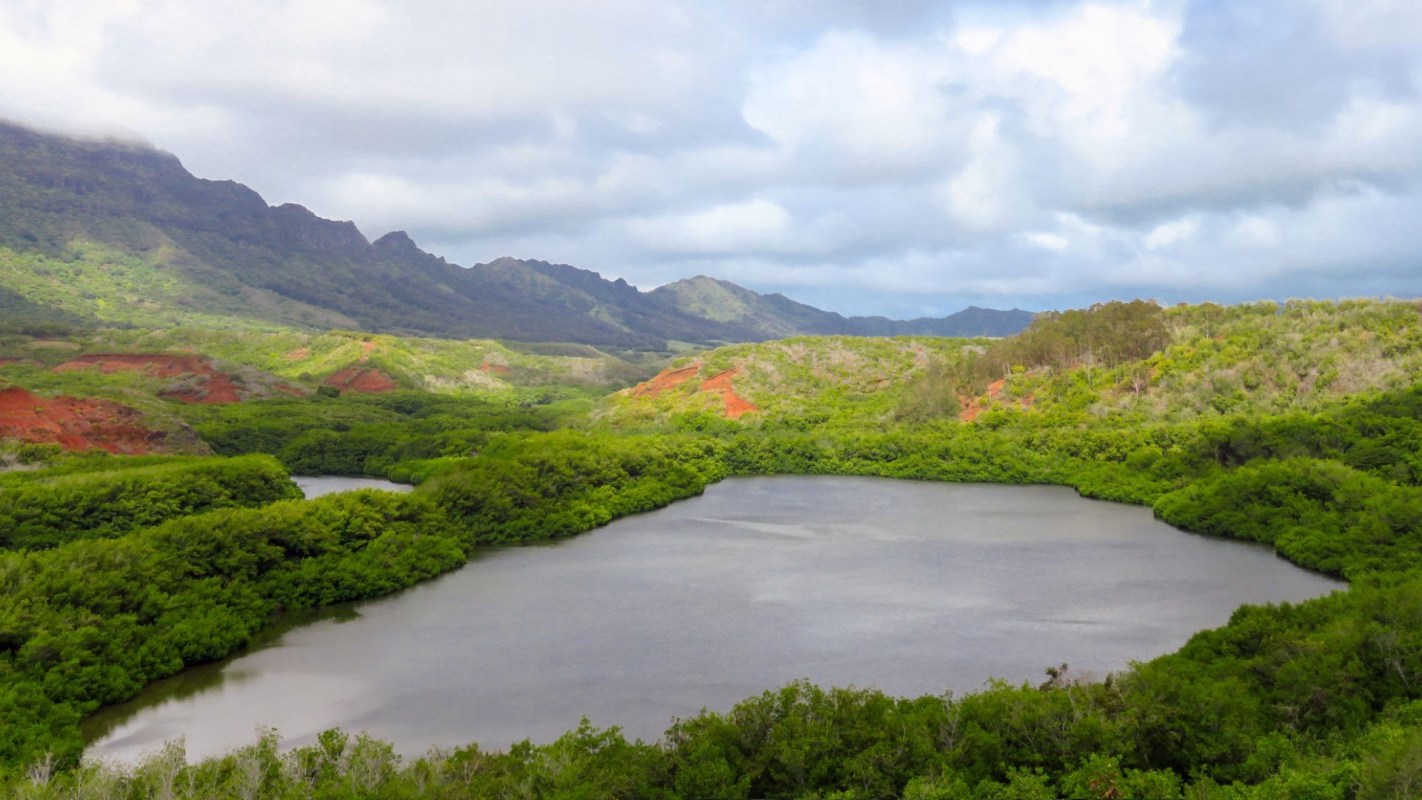
At He'eia on O'ahu, a Native Hawaiian fishpond more than 600 years old held strong, showing how rebuilding traditional food systems can also help communities withstand modern climate shocks.
Outside reported that across Hawai'i, community groups are restoring Native Hawaiian foodways that sustained the islands long before imported food became the norm. Today, about 90% of Hawai'i's food supply is imported, making local food security an increasing concern.
At He'eia fishpond on the windward side of O'ahu, Paepae o He'eia has been restoring the 88-acre fishpond. The nonprofit cleared invasive mangrove and finished rebuilding the pond's 1.3-mile rock wall in December using traditional Hawaiian dry-stack techniques.
Executive director Hi'ilei Kawelo said the pond's resilience after the recent floods reflected work taking place throughout the ahupua'a, a traditional land division that runs from mountain to sea. The restored pond now supports species such as 'ama'ama and awa while helping create cleaner reef conditions beyond its walls.
Other groups are also reviving food plants with deep cultural roots, including coconuts and kalo, reconnecting people to the land, their food, and long-standing practices.
TCD Picks » Quince Spotlight
💡These best-sellers from Quince deliver affordable, sustainable luxury for all




These efforts address a practical challenge facing island communities: how to build a more reliable local food system in places vulnerable to supply disruptions, extreme weather, and heavy reliance on imports.
Hawaiian educator Manulani Aluli Meyer said niu was once a major food resource across the Pacific, but modern landscaping practices often prevent palms from fruiting. Restoring those groves could restore a familiar yet underused source of food and materials for communities.
At Ho'okua'aina, a nonprofit on O'ahu, founders Dean and Michele Wilhelm have used taro farming to connect young people with culture, hands-on work, and a sense of belonging.
Since 2001, Paepae o He'eia has mobilized thousands of volunteers for restoration work at the He'eia fishpond. Kawelo said the effort helps both the pond and the bay beyond it by providing habitat for young fish and reducing sediment that can damage reefs.
Ho'okua'aina now produces about 30,000 pounds of kalo annually from its lo'i kalo in Maunawili. The group has trained hundreds of interns, provided more than 100 tuition scholarships to apprentices, and recently became steward of 116 additional acres.
It aims to become a food hub and resiliency center that can serve the community in everyday life and during emergencies. This is increasingly important as grocery prices rise and insecurity grows.
"We just want to have food security back in our hands again," Meyer said, according to Outside.
"We always like to say that the health of the fishpond is a direct reflection of the health of the entire system," Kawelo said.

Get TCD's free newsletters for easy tips, smart advice, and a chance to earn $5,000 toward home upgrades. To see more stories like this one, change your Google preferences here.







