


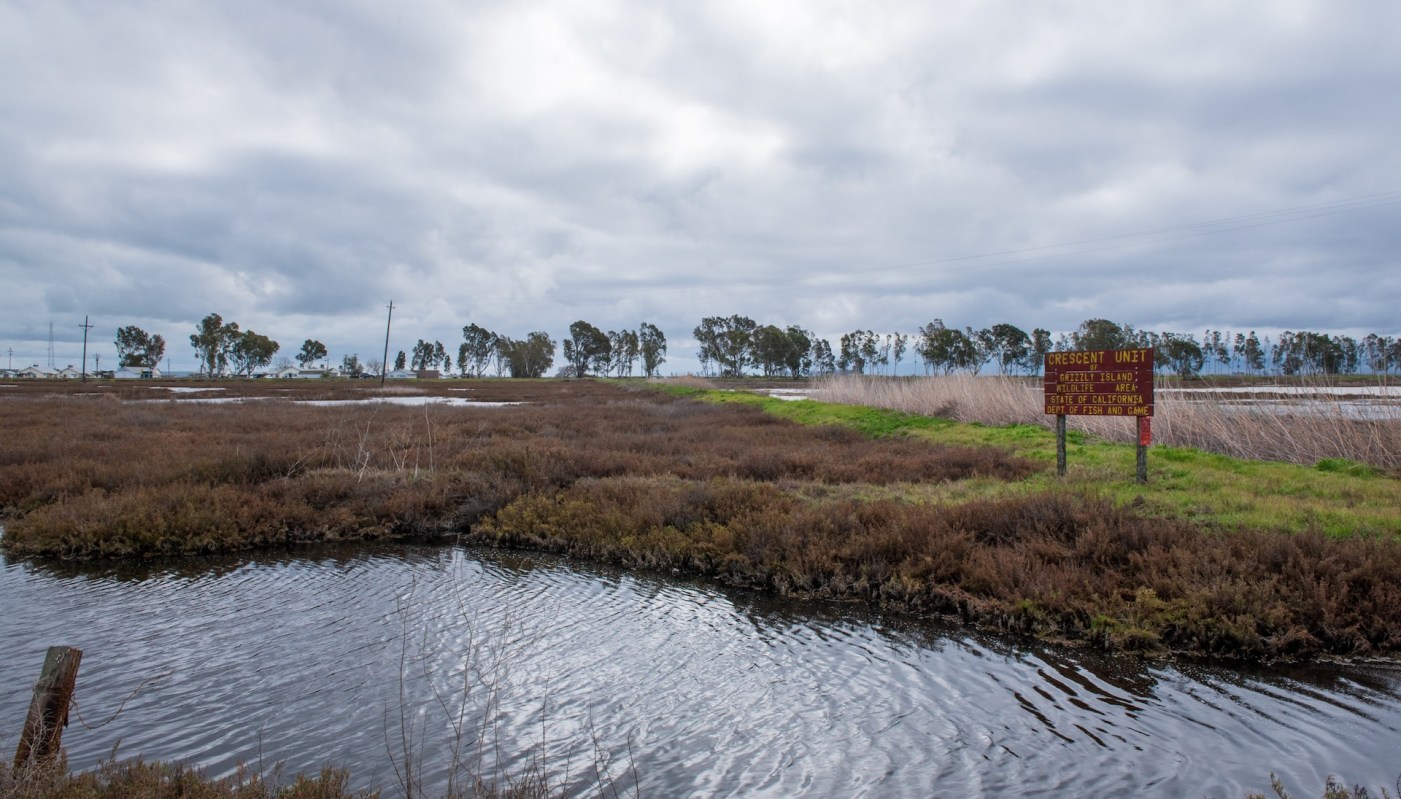
California officials are considering a proposal that will allow hunters and landowners to shoot swans to bring their numbers down, CalMatters reported.
What's happening?
Mute swan populations in California have been on the rise in the past decade. In 2008, the state implemented a ban on the import and domestication of mute swans to deter the growth of the species. But it didn't work.
Since 2022, there has been an estimated 800% increase in swans, from 1,500 to 12,000. According to CalMatters, most of these mute swans live in the Suisun Marsh.
However, mute swans are not indigenous to California. They come from Europe and Asia, introduced in the U.S. for their beauty in private properties and parks. Due to their large size, these birds make a huge impact on the wetland ecosystem, destroying plant life and even drowning smaller animals.
"If the population gets too large and out of control, it may be beyond our ability then to really effectively manage them," said Mark Hennelly, a lobbyist for the California Waterfowl Association, per CalMatters. "So we want to get ahead of the problem."
Why is this hunting proposal important?
Invasive species are plants and wildlife that are not indigenous to a specific area and spread aggressively. These living organisms are introduced to a location and then outcompete the native species for critical resources, causing harm to animals, humans, and the environment. Examples of these include the zebra mussels in the Great Lakes and the spotted lanternfly on the East Coast.
Invasive species, like the mute swan, can destroy habitats and animals, causing over $20 billion in economic damages and interrupting the life cycle for so many members of the environment around them.
The proposed hunting law could help state officials and residents control the spread of the mute swan population. However, animal rights groups are against the use of lethal means of control.
"The birds arrived here through no fault of their own, brought by humans, and they don't deserve to be killed for it," said Nicole Rivard, a spokesperson for Friends of Animals, per CalMatters.
The perceived beauty of the mute swan makes it more difficult to pass bills for lethal means of controlling the population.
TCD Picks » Quince Spotlight
💡These best-sellers from Quince deliver affordable, sustainable luxury for all




|
Do you think America does a good job of protecting its natural beauty? Click your choice to see results and speak your mind. |
 Definitely 👍
 "They might be a pretty, big, white bird … and they may be charismatic, but they can be pretty nasty," said Brad Bortner, a retired chief of the U.S. Fish and Wildlife Service's migratory bird management programs in Washington D.C., per CalMatters.
According to CalMatters, Dave Strayer, a retired invasive species expert with the Cary Institute of Ecosystem Studies in New York, shared a similar sentiment. He said, "I never had even one person stand up for zebra mussels and say, 'No, these are beautiful, elegant God's creatures' and so forth."
It's important to stop the spread of the mute swan and the effect it has on California's ecosystems, especially in a state that has lost much of its natural habitats and is home to more than 24% of all endangered plants and animals in the U.S.
"They don't move around the state all that much, and they really like the Delta-Suisun Marsh area, so it's still easy to handle the issue," said Melanie Weaver, waterfowl coordinator for the California Department of Fish and Wildlife, per CalMatters. "The longer we wait, it won't be."
What's being done about mute swans?
Wetlands are important for protecting water quality in the U.S. and for the safety and reproduction of waterfowl. This is why they are protected in the country.
However, mute swans are impacting wetlands, which are already struggling. According to the U.S. Fish and Wildlife Service, over 50% of wetlands are gone from the continental 48 U.S. states.
It remains to be seen whether the hunting proposal will be put in place. However, other states have found success through other means. In Indiana and Wisconsin, officials control the population by removal of nests and eggs from habitats, known as egg addling. The birds can be captured and transferred to wildlife facilities. This has also been used in New York to great success, with the state keeping the population of mute swans from growing too rapidly and keeping it steady at 2,000-3,400 birds.

Join our free newsletter for good news and useful tips, and don't miss this cool list of easy ways to help yourself while helping the planet.
Cool Picks




