


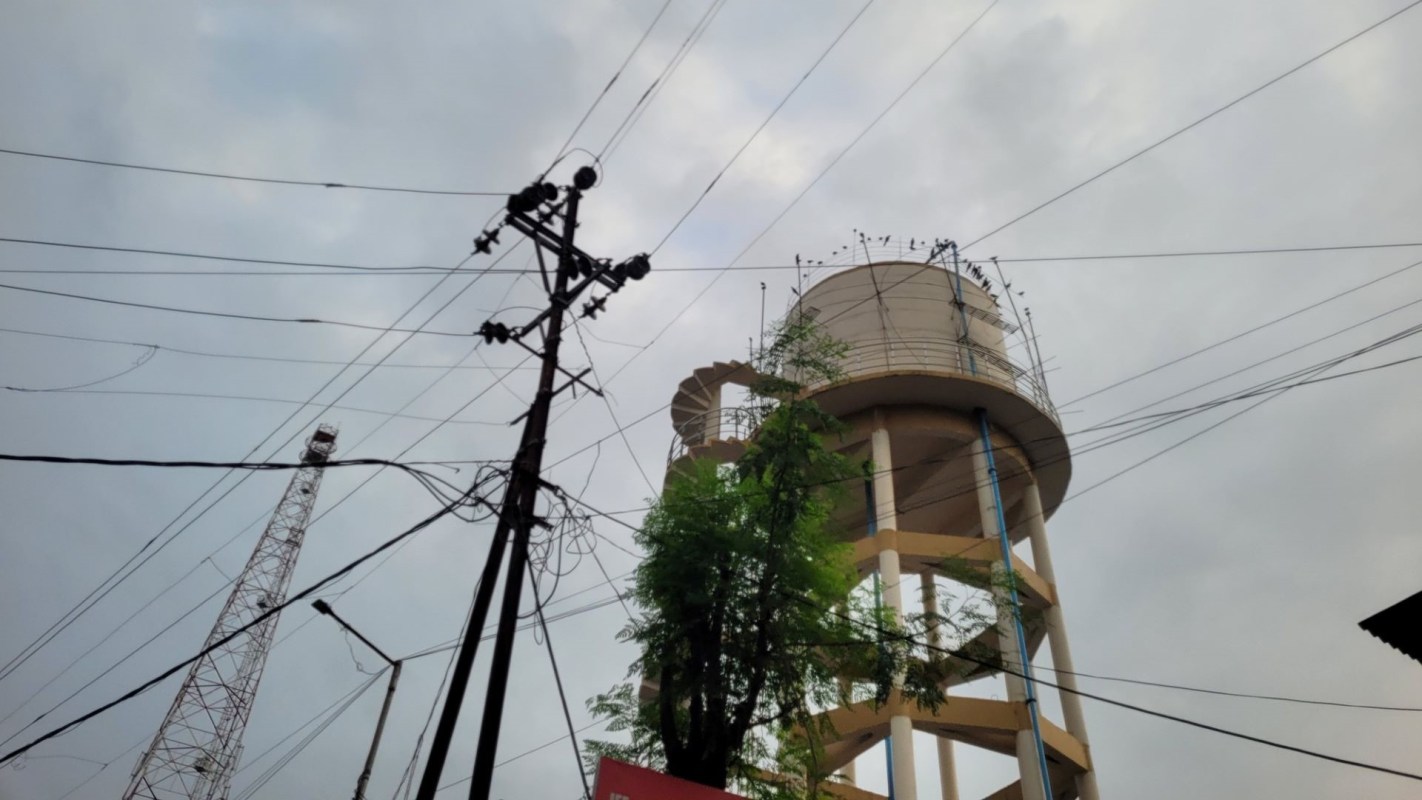
Officials are rejoicing after heavy monsoon rains have caused the water levels in lakes supplying drinking water to the Indian city of Mumbai to rise to around 99% of their capacity.
As reported by Mid-Day, the Brihanmumbai Municipal Corporation's rain data showed in September that the collective water stock across Mumbai's seven reservoirs amounted to 99.29% of their capacity.
Of these seven reservoirs, Modak Sagar, Vehar, and Tulsi have reached 100% capacity, followed closely by Upper Vaitarna (99.58%), Tansa (99.5%), Vaitarna (99.13%), and Bhatsa (99.04%). This is great news for the city and surrounding areas that rely heavily on the monsoon rains for drinking water and irrigation for agriculture.
India has experienced heavy rainfall this monsoon season, with the rains arriving earlier and set to depart later than usual. This increase in rain is welcomed by some, especially in areas like Mumbai that often have to grapple with water scarcity. More than 22 million people live in the wider metropolitan area of Mumbai, and they depend on monsoon rains to prevent water restrictions and to support their crops.
An increase in lake water levels also helps support local ecosystems in the area, providing water for green spaces and forests, which are home to myriad wildlife.
While it's been good news for Mumbai, other areas in the country have been left reeling after heavy rain has led to flash flooding and landslides. According to the BBC, northwest India received 180% more rain than normal between August 28 and Sept. 3, while in south India, rainfall was 73% above average.
TCD Picks » Quince Spotlight
💡These best-sellers from Quince deliver affordable, sustainable luxury for all




Changes in global weather patterns caused by human-induced warming are causing monsoon rains to change, leading to heavier downpours. Reducing harmful carbon pollution from planet-warming gases, transitioning to renewable energy, improving early-warning systems, and promoting sustainable practices can help mitigate these impacts and protect local communities.
|
How often do you worry about the quality of your drinking water? Click your choice to see results and speak your mind. |
 Never 👎
Join our free newsletter for good news and useful tips, and don't miss this cool list of easy ways to help yourself while helping the planet.







