


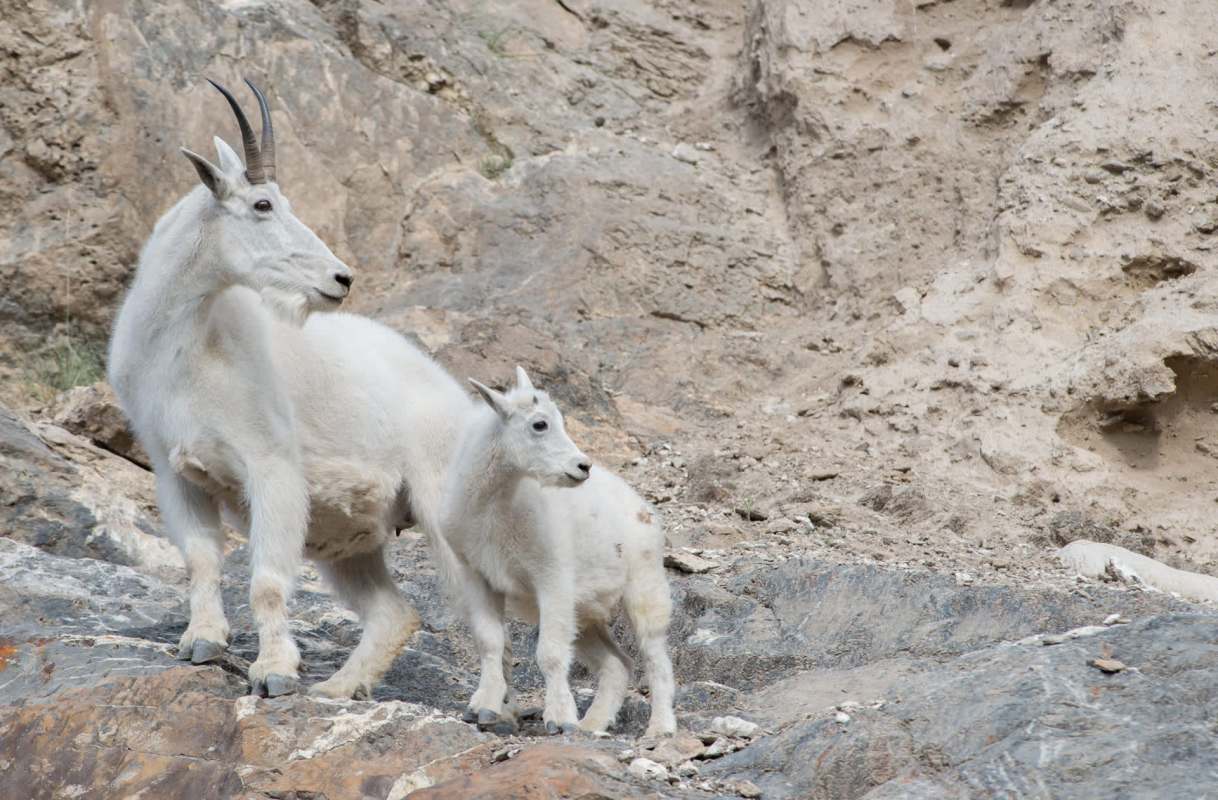
Wildlife might appear cute and approachable, but getting too close can have deadly consequences.
A recent Instagram video captured a tourist approaching wild mountain goats in South Dakota, drawing backlash from viewers, who said she was "acting like she's at a petting zoo."
The video, shared by Tourons of National Parks (@touronsofnationalparks), showed a visitor by the roadside watching two mountain goats graze, ignoring park guidelines, and approaching the animals as if they were tame.
Although nothing happened to the woman in this instance, the account reminded followers of the official guidelines for viewing wildlife.
Visitors are supposed to stay at least 50 yards away, but this tourist stood only a few feet from the goats.
To check this distance, there's the "thumb test." Stretch your arm out and cover the animal with a thumb. If it's still visible around the edges, you'll need to back away a bit more.
TCD Picks » Quince Spotlight
💡These best-sellers from Quince deliver affordable, sustainable luxury for all




The account also listed other rules: don't feed animals, don't block traffic when pulling over to watch them, and always stay aware of your surroundings in areas where wildlife roam.
Officials say that feeding and approaching the goats has made them lose their innate fear of people, increasing the risk of aggressive encounters. The goats in the video appeared calm, but were still unpredictable.
The creatures' sharp horns and powerful builds can be used to defend their territory if they feel threatened, according to the National Forest Foundation.
While it's understandable for visitors to want a closer look, approaching wildlife isn't as simple as it seems. They can come to view people as sources of food, leading to a loss of inhibitions and an increase in encounters and accidents, potentially costing animals their lives.
|
Do you think all new homes should use heat pump technology? Click your choice to see results and speak your mind. |
 Definitely 💯
 For example, one driver nearly lost a limb while attempting to feed a bear cub. When wildlife encounters injure humans or their behavior changes because people feed them, authorities are often forced to euthanize them as "safety threats" because a visitor didn't follow the rules.
These guidelines protect wildlife habitats and ensure that national parks remain safe for both visitors and the animals they contain, as commenters emphasized.
"She's almost … 6 feet away," one wrote.
"What can possibly go wrong?" another remarked.
A third quipped: "50 yards. 50 inches. Whatever."
Supporting eco-friendly travel destinations protects sensitive habitats.
Simple practices, such as maintaining a safe distance from wildlife, using designated pullouts instead of blocking roads, and minimizing human impact, help ensure the safety of both animals and visitors.

Join our free newsletter for good news and useful tips, and don't miss this cool list of easy ways to help yourself while helping the planet.







