


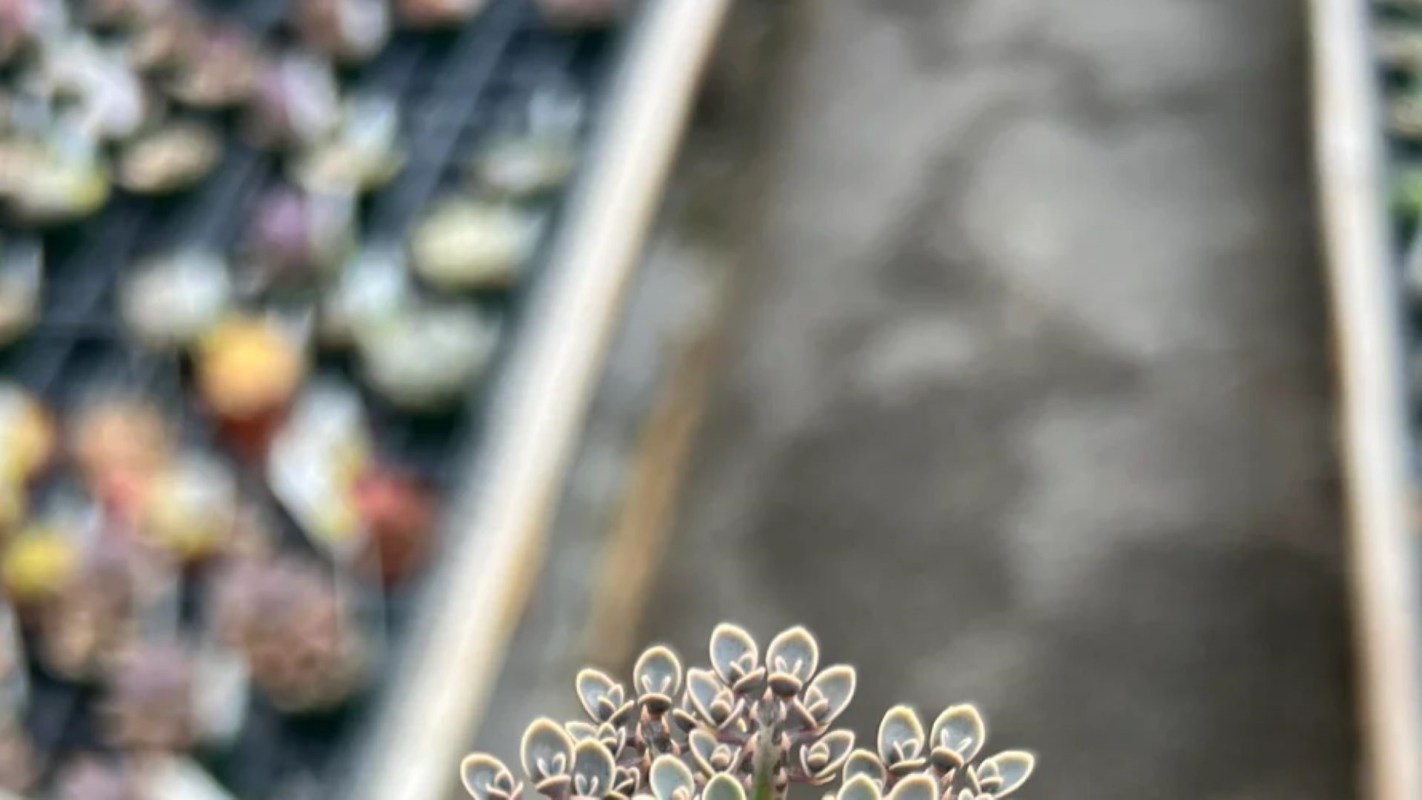
A plant lover's post in the r/Succulents subreddit has sparked quite the discussion about a sneaky invader. The user shared photos of a variant of Kalanchoe tubiflora, better known as "mother of thousands," adding that it "looks like it's from another planet."
Found at a small, family-owned greenhouse, the succulent definitely caught attention for its unusual yet beautiful appearance, but experienced gardeners were quick to sound the alarm.
"It's beautiful and fascinating, but if it were me it would be staying in the nursery," one person advised. "I'm still finding these buggers from the one I got rid of a year ago."


The mother of thousands earns its name from the tiny plantlets that grow along the edges of its leaves. These baby succulents drop off and root almost anywhere they land, allowing the plant to spread with remarkable speed. While it's fascinating to watch this self-propagating process unfold, it's also what makes the species rather invasive.
For gardeners, that means a constant battle in the yard — a single missed plantlet can start the cycle all over again.
Beyond backyard headaches, invasive plants like Kalanchoe can also pose ecological risks. When introduced to new environments, they can outcompete native species for light, water, and nutrients, disrupting the balance of local ecosystems. In some regions, invasive succulents have been known to crowd out native flora, reducing habitat diversity for pollinators and other wildlife. This is what makes using native plants in your yard so important.
Native plants come with a host of benefits. Not only do they help pollinators thrive (and ensure our food supply), but they also save homeowners time and money. Natural grasses and native plants don't require as much water and other resources as non-natives.
Homeowners with natural lawns enjoy reduced water bills and get more of their free time back, as native plants require less labor and maintenance. Even a partial lawn replacement with a native plant garden or xeriscaping can offer all these benefits.
Nonetheless, not every gardener needs to swear off the mother of thousands. When kept in a contained indoor pot or terrarium, it can be a nice eye-catching, low-maintenance addition to your succulent collection. The key, experts say, is vigilance: keep it away from outdoor soil, and dispose of fallen plantlets.
In other words, it's a plant that's as mesmerizing as it is mischievous, beautiful to look at, but best admired with caution.
TCD Picks » Quince Spotlight
💡These best-sellers from Quince deliver affordable, sustainable luxury for all




|
Should the government be allowed to ban certain plants? Click your choice to see results and speak your mind. |
 Definitely 👍
 Other Redditors agreed about the posted plant's strange appearance. One user said: "They do look alien."
Some commenters were also quick to caution that once this plant establishes itself, it can be incredibly difficult to remove.
"Absolute nightmare! Took me from last year August till now, I've been pulling out babies every day," one Redditor shared. "When I die, I'll haunt that thing's whole lineage."

Join our free newsletter for good news and useful tips, and don't miss this cool list of easy ways to help yourself while helping the planet.
Cool Picks






