


Across the United States, scientists and conservationists are raising concerns about a growing pattern they're seeing in the wild: familiar animals are struggling to keep up with rapidly shifting conditions.
What's happening?
According to Lancaster Farming, increasingly extreme weather changes — longer dry spells, heavier downpours, warmer winters, and more frequent fires — are leaving many animals with little time to adapt.
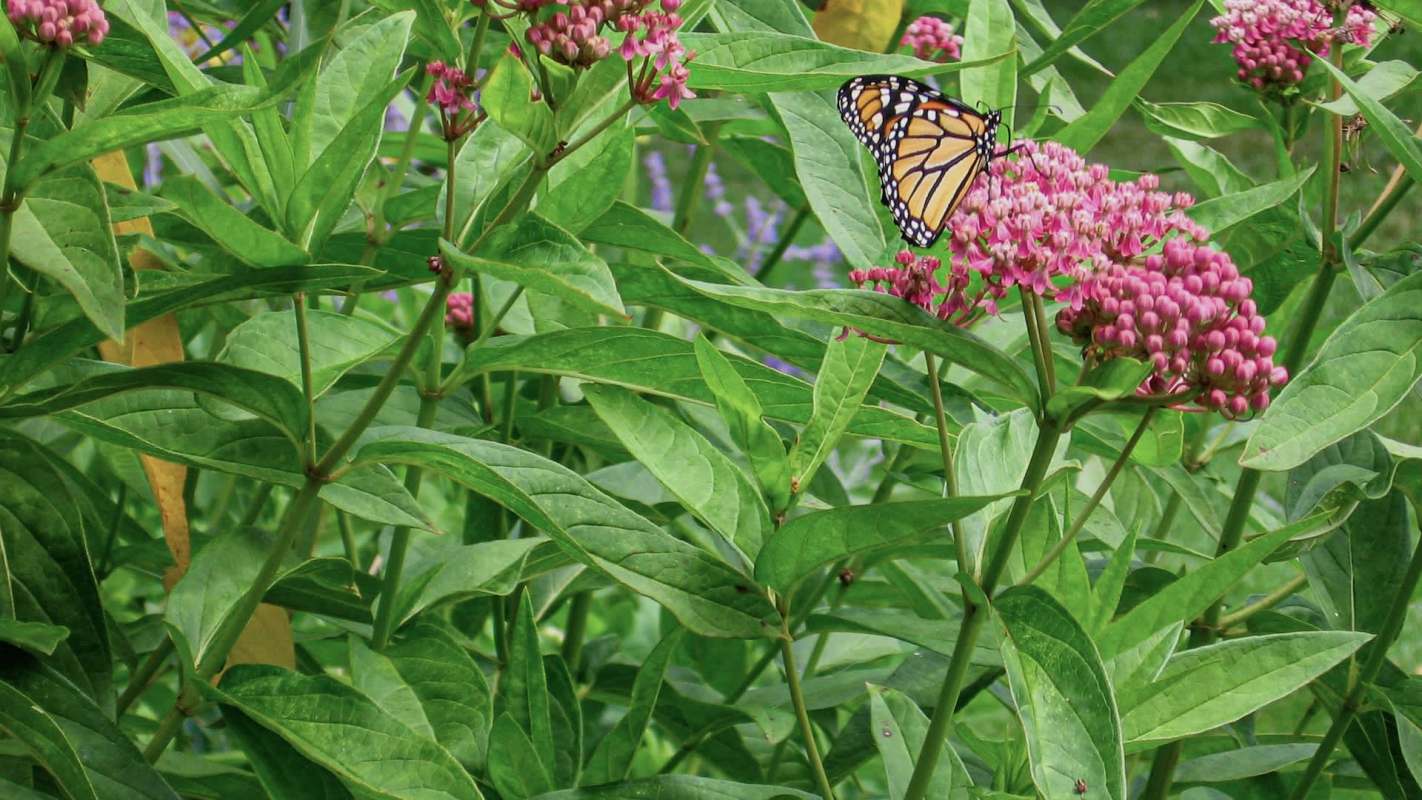
Monarch butterflies are one of the most visible examples. Milkweed, the plant monarch caterpillars rely on for survival, has declined by about 80% over the past 20 years due to invasive species and land-use changes. Without it, monarch populations drop fast.
In December, the U.S. Fish and Wildlife Service proposed listing the monarch as "threatened," a move that would offer long-overdue federal protections.
Birds and fish are also feeling the strain. The saltmarsh sparrow population has fallen 87% since 1998 as rising seas disrupt coastal nesting areas. Brook trout, the Pennsylvania state fish, has declined by about 60% in some regions as streams warm and water levels fluctuate.
As wildlife rehabilitation director Sydney Glisan put it, protecting these species isn't optional.
"We've got to protect our life support system," she told Lancaster Farming.
Why is protecting wildlife important?
Wildlife loss directly impacts our day-to-day lives, whether we realize it or not. These animals each play distinct roles in pollination, water quality, and food systems on which communities depend.
For instance, when fish populations decline, recreational fishing economies and local food sources suffer. When wetland birds vanish, it signals broader breakdowns in coastal ecosystems that help buffer storms and flooding.
In other words, when common wildlife struggles, it's an early warning sign that the systems supporting people are under stress, too.
TCD Picks » Quince Spotlight
💡These best-sellers from Quince deliver affordable, sustainable luxury for all




|
What's the most you'd pay per month to put solar panels on your roof if there was no down payment?
Click your choice to see results and speak your mind. |
 $200 or more 💰
 What's being done to help struggling wildlife?
There's good news; targeted action works.
In Scotland, conservationists have spent more than a decade reintroducing beavers, once hunted to near extinction, with careful planning and community input. New families have been released into protected reserves, restoring wetlands and improving biodiversity in the process.
Closer to home, individuals can make a difference by planting native species that support pollinators and birds. Swapping traditional lawns for native plants can rebuild food chains from the ground up, for example.
On a bigger scale, supporting cleaner energy, habitat protection, and conservation funding helps reduce the environmental whiplash wildlife is facing.
As educators involved with the Chesapeake Bay Foundation emphasized, per Lancaster Farming, learning what's happening is often the first step to doing better.

Get TCD's free newsletters for easy tips to save more, waste less, and make smarter choices — and earn up to $5,000 toward clean upgrades in TCD's exclusive Rewards Club.
Cool Picks






