


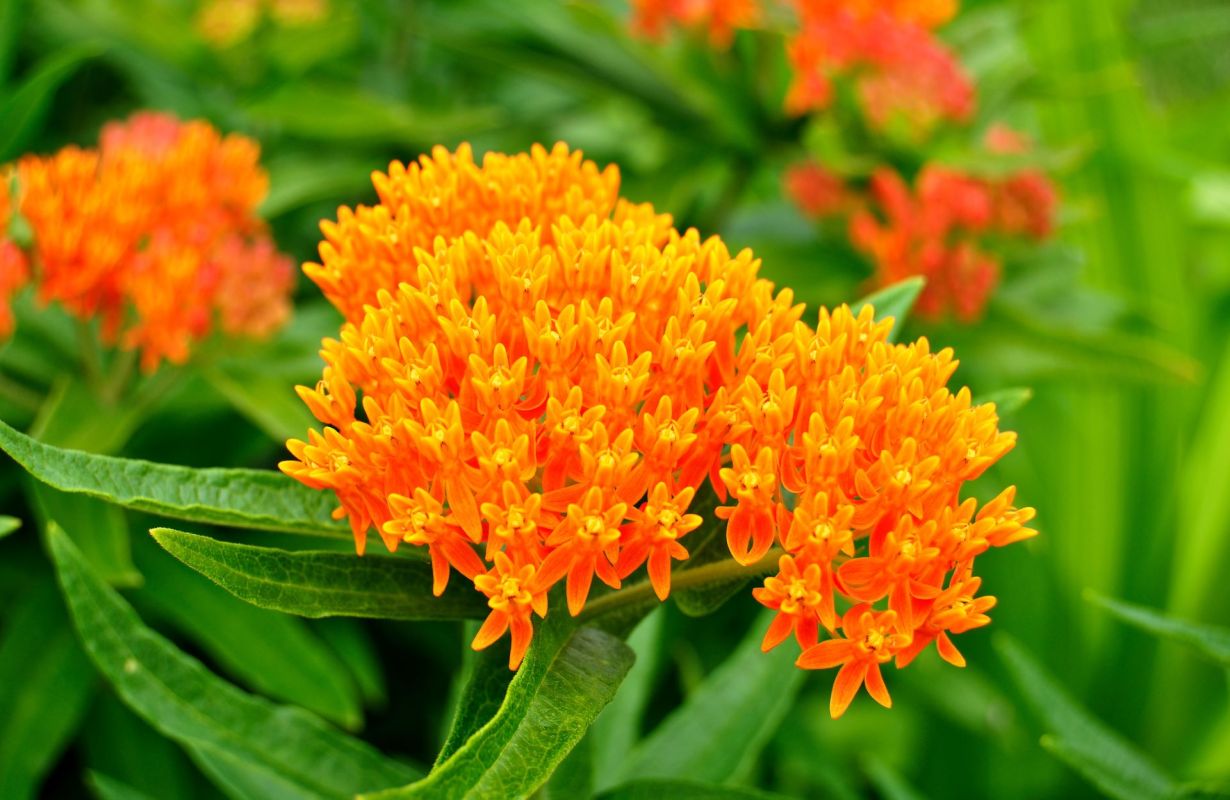
Observing the circle of life in the animal kingdom is a wondrous thing, especially if your garden is the catalyst.
Such was the case in the r/gardening subreddit when a Redditor posted pictures of monarch larvae feasting on milkweed. "So jealous!!" a fellow Redditor replied, a little melancholic over a fleeting number of monarch butterflies in their garden.
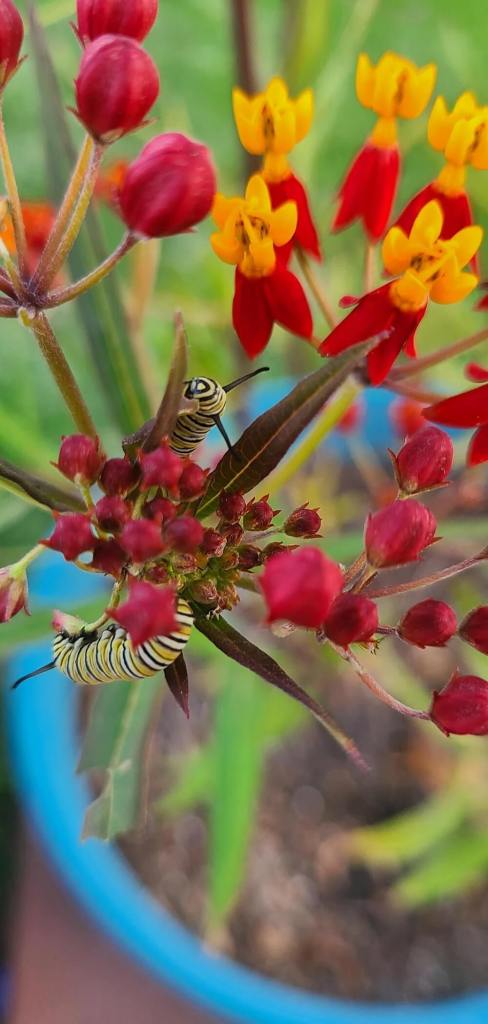

Milkweed is the nucleus around which the life cycle of the monarch, queen, and soldier butterflies revolves. While queens and soldiers are not on any endangered or threatened lists, monarchs are considered to be endangered by the IUCN for migratory populations.
Plus, pollinators in general are experiencing issues throughout the country, especially bee populations, thanks to habitat loss, pesticide exposure, climate change, and various diseases.
Thanks to the Center for Biological Diversity, we know that a quarter of all bee species in the U.S. are at risk. That said, the importance of nurturing and reviving natural lawns or rewilding cannot be overstated enough.
That doesn't mean just upgrading your yard to a natural lawn or rewilding with a more diverse ecosystem is enough. Knowledge is power, and understanding the life cycle of plants and the species that rely on them is crucial.
TCD Picks » Quince Spotlight
💡These best-sellers from Quince deliver affordable, sustainable luxury for all




For instance, the above Reddit post includes many responses addressing the issue of Ophryocystis elektroscirrha. Known as OE, it's a tiny parasite that primarily affects monarch butterflies, scattering spores on milkweed when the butterfly lands.
The spores infect other butterflies and butterfly eggs, causing weakness, stunted growth, and decreased migratory capabilities. Fortunately, understanding your region's native plants can help.
In this instance, you can break the infection cycle by planting native milkweed, spacing them out, diversifying with nectar plants, and cutting back milkweed seasonally, especially tropical milkweed.
Rewilding your lawn or switching to a native lawn drastically reduces water consumption, saves a lot of time and maintenance, and significantly improves the local ecosystem. Pollinators in a healthy ecosystem are better able to help protect our food supply.
|
If you were to switch from a grass lawn to a more natural option, which of these factors would be your primary motivation?
Click your choice to see results and speak your mind. |
 Making it look better 🌱
 But it's just as important to know and understand your zone/region, the plants that grow natively, and the life cycle of both the plants and pollinators so you can upgrade your lawn effectively.
One concerned response post emphasized the importance of understanding OE: "I hate how no one explains what OE is in the following comments."
Most were simply delighted with the post: "I saw the images and laughed, then had my joy confirmed when I clicked. OP is my kind of person."

Join our free newsletter for good news and useful tips, and don't miss this cool list of easy ways to help yourself while helping the planet.







