


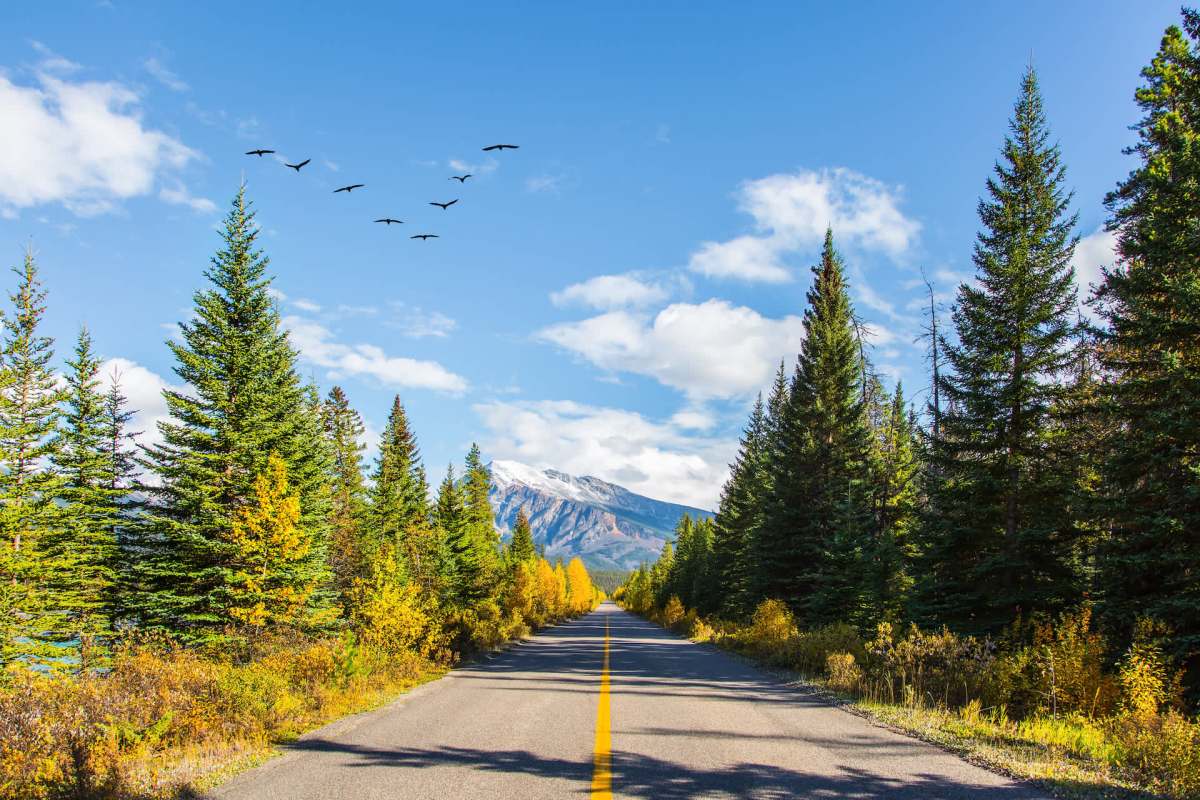
Shifting global temperatures have triggered a major disruption in the flight patterns of migratory birds, and researchers are warning that this could have massive impacts throughout various ecosystems.
What's happening?
A team of researchers from Binghamton University took a closer look at the link between changing weather patterns and the alterations of ancient migration routes for millions of birds.
Typically, as temperatures cool off and winter approaches, various species of birds migrate south in search of warmth and food sources.
However, as global temperatures rise and regions experience an increase in extreme weather events, migrating birds are facing a growing number of challenges while traveling to a secondary habitat. This includes stronger storms and locations impacted by droughts and flooding.
Anne Clark, associate professor emeritus of Biological Sciences at Binghamton University, led a research project that observed the migration patterns of red-winged blackbirds.
"It's a way to look at climate change," Clark said. "It's a way to look at how birds have responded to changing weather, but also how their reproductive success may have changed,"
Why are changes to migration routes concerning?
Depending on the species, some birds fly thousands of miles before they reach their final destination.
In most cases, these migrating birds are required to make a number of stops along their journey in order to survive. This includes finding enough food and locating suitable habitats to rest.
According to Justin Mann, a behavioral ecologist in the Department of Biological Sciences at Binghamton, these stops are no different from the occasional pit stop drivers make during a lengthy road trip.
"These stopover sites act like a gas station," Mann said. "They stop over, fueling up on the energy that they need before they move again."
TCD Picks » Quince Spotlight
💡These best-sellers from Quince deliver affordable, sustainable luxury for all




|
Do you think America does a good job of protecting its natural beauty? Click your choice to see results and speak your mind. |
 Definitely 👍
 With increasing disruptions along their migration "highways," birds are losing out on finding that essential fuel for their journey.
"Birds are having to move to new areas because the current areas that they have inhabited for quite a long time are no longer suitable to their particular needs," added Mann.
What can be done about the climate's impact on migratory birds?
In order to give the migratory birds a fighting chance, Mann said that conservation efforts are being geared toward protecting key habitats that may be located along the migration routes.
"There's lots of research on the areas that we need to conserve and protect that will give the most payoff, the most benefit, to birds who need those crucial stopover points," Mann explained.
One of the most effective tools for bird conservation is the use of nature preserves, such as the one located just outside Binghamton University.
The 190-acre preserve is home to woodlands, wetlands, and a forest filled with hemlock trees. These natural features provide useful habitats to a number of animals, including migratory birds.
"One wonderful thing about the nature preserve is its proximity to the Susquehanna River," said Mann. "Many species use rivers as highways when they're migrating, so forests off of major rivers can be really, really important stopover sites. So the nature preserve is certainly an important forest for the birds who show up."

Join our free newsletter for good news and useful tips, and don't miss this cool list of easy ways to help yourself while helping the planet.
Cool Picks




