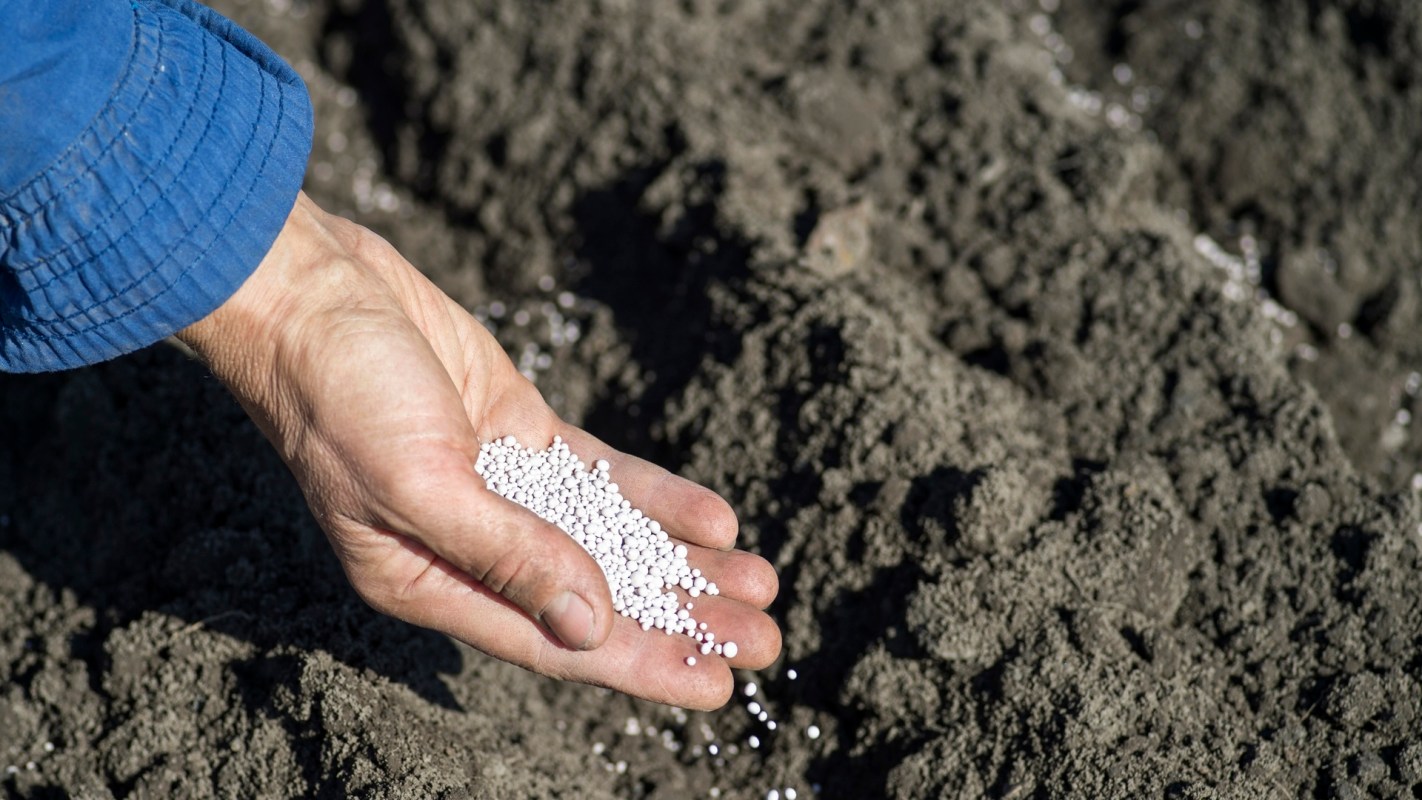
Microplastics from farm-based fertilizers are seeping into waterways, according to a study.
What's happening?
Researchers from Tokyo Metropolitan University traced how microplastics travel from paddy fields to beaches.
River mouths, which researchers previously observed, transported less than 0.2% of microplastics into oceans.
But studying direct runoff from farms gave researchers more insight. The study, published in the journal Marine Pollution Bulletin, found that almost 28% of the microplastics washing up on beaches comes from that runoff.
Why are microplastics concerning?
When plastic products chip or break apart, they create microplastics, or very tiny pieces of plastic. These particles can seep into the soil, air, and water. People can ingest them through food or inhale them, and they're linked to several health issues.
The farm aspect of this study is relevant in Japan and beyond. The study noted that the plastic-coated fertilizers used on rice in Japan and China are also used on wheat and other crops in the U.S., U.K., and Western Europe.
TCD Picks » Quince Spotlight
💡These best-sellers from Quince deliver affordable, sustainable luxury for all




The plastic coating controls the rate of fertilizer release, allowing it to do its job as farmers see fit. Unfortunately, the resulting microplastics are turning beaches into plastic sinks.
According to Northeastern Global News, microplastics have been found in some of the deepest parts of the ocean. That should act as a warning for us all to be more aware of the materials we use every day.
What's being done about plastic use?
While reducing your own plastic use when possible is great, there are ways to multiply your impact.
Companies like PepsiCo, The Coca-Cola Company, and Nestlé are some of the top plastic polluters in the world.
TCD Picks » Quince Spotlight
💡These best-sellers from Quince deliver affordable, sustainable luxury for all
|
What's the most you'd pay per month to put solar panels on your roof if there was no down payment?
Click your choice to see results and speak your mind. |
 $200 or more 💰
 Urging them to follow through on sustainability initiatives, and supporting more sustainable companies in the meantime, can be impactful. It will take coordinated effort that won't blossom overnight, but it's possible.
If you're concerned about microplastic exposure, consider buying a reusable cloth tote bag instead of relying on single-use plastic versions, or purchasing a reusable water bottle made from glass or metal.
Even eating antioxidants could counteract some of the potentially harmful health effects of microplastics, according to one study.

Get TCD's free newsletters for easy tips to save more, waste less, and make smarter choices — and earn up to $5,000 toward clean upgrades in TCD's exclusive Rewards Club.