


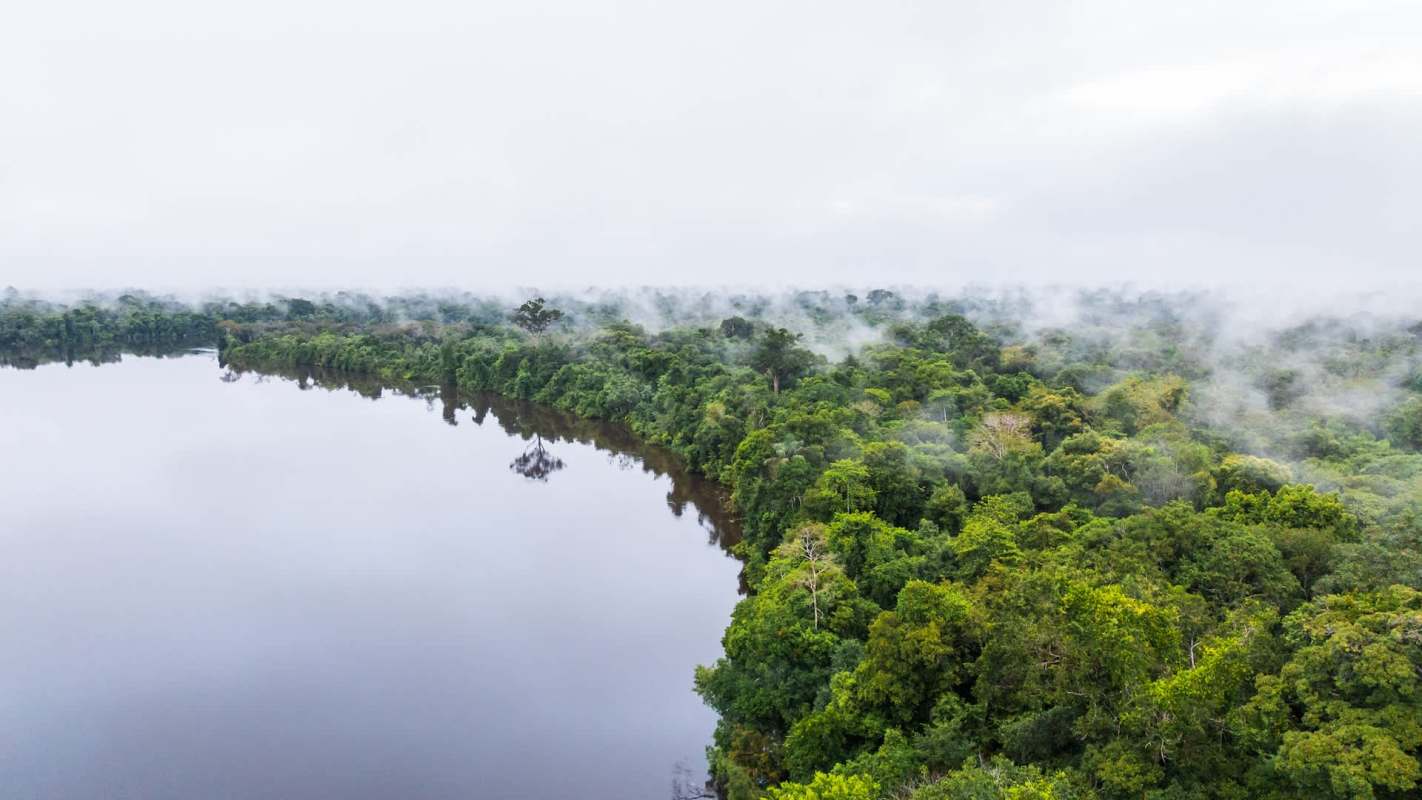
Two decades after microplastics were first identified, scientists are still unpacking how this form of pollution came to pervade our bodies and ecosystems.
An upcoming study in the peer-reviewed journal Water Research detailed the surprisingly strong effect flooding has on microplastic pollution.
What's happening?
Microplastics are plastic particles measuring 5 millimeters or smaller, whereas mesoplastics are larger, up to 25 millimeters. In some cases, the terms nanoplastics (smaller than one micrometer) and macroplastics (larger than 25 millimeters) may also be used, though microplastics is the most common term for plastic particles of concern.
Researchers often examine "microplastic pathways," the manner in which these typically invisible bits of plastic particulate make their way into soil, air, waterways, and human bodies.
In the study, the authors focused on the rate of microplastic and mesoplastic (MMP) movement during six heavy rainfall events.
Their abstract explained that "the role of flooding rivers in transporting microplastics and mesoplastics remains elusive," with data lacking, and that they sought to quantify microplastic concentrations during "high-flow events."
Perk up the winter blues with natural, hemp-derived gummies Camino's hemp-derived gummies naturally support balance and recovery without disrupting your routine, so you can enjoy reliable, consistent dosing without guesswork or habit-forming ingredients. Flavors like sparkling pear for social events and tropical-burst for recovery deliver a sophisticated, elevated taste experience — and orchard peach for balance offers everyday support for managing stress while staying clear-headed and elevated.
Learn more → |

Across the six instances of heavy rain, researchers found that mesoplastic concentrations jumped "from 1 to 4 orders of magnitude compared to those during low-flow conditions."
In addition to MMP levels, the authors examined high-flow intervals and observed in one river that "90% of the annual mesoplastic load" moved during "only 11.8% of the year."
That suggested heavy rains and floods had a massive impact on meso- and microplastic concentrations, which the researchers identified as a potentially significant knowledge gap.
"This finding suggests that, without monitoring flooding conditions, substantial fraction of MMP transport will be overlooked," they warned.
TCD Picks » Upway Spotlight
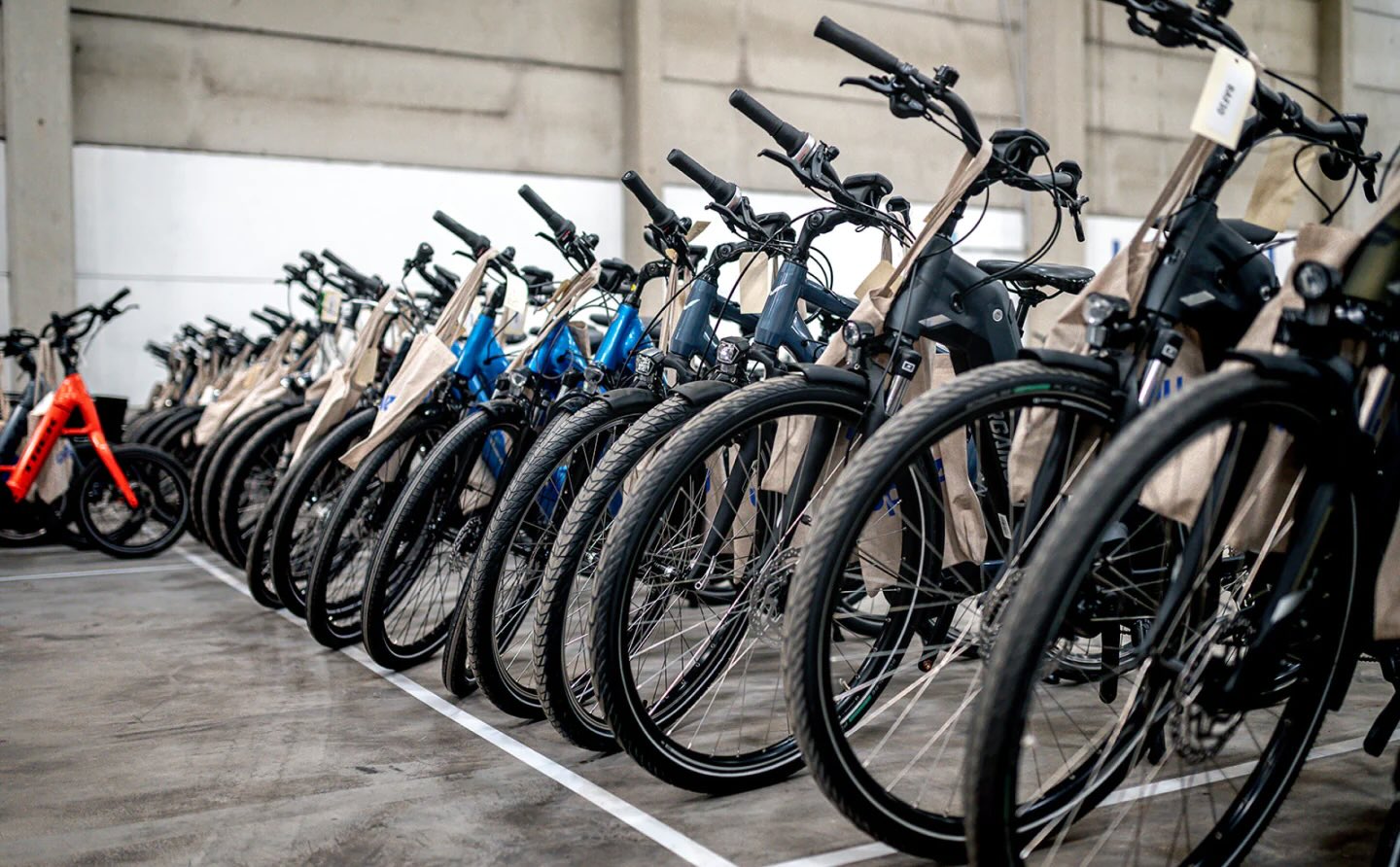
💡Upway makes it easy to find discounts of up to 60% on premium e-bike brands


|
What's the most you'd pay per month to put solar panels on your roof if there was no down payment?
Click your choice to see results and speak your mind. |
 $200 or more 💰
 Why is this concerning?
"In this study, for the first time in the world, we clarified this transport by … capturing how plastic transport changes as water levels rise and fall," co-author Mamoru Tanaka said.
While the study focused on specific factors such as flow rate, flooding, and rainfall in six Japanese rivers, its findings apply far more broadly.
Microplastics weren't identified until 2004, and the intervening two decades of research into this pernicious form of plastic pollution have yielded consistently unsettling results.
Microplastics are pervasive in the environment, detected in remote places with little to no human presence — evidence of plastic's tenacity. They've been found in waterways, air, and soil.
Study after study has also identified microplastics in biological tissue from wildlife and humans alike, along with associated adverse health outcomes.
Plastic is often deadly to animals; its effects on human health are wide-ranging and severe.
What's being done about it?
Studies such as this one inform future research and ways to reduce microplastics exposure. Co-author Yasuo Nihei said the research could lead to "better monitoring and more effective policy decisions."
Individually, reducing direct exposure to plastic makes a big difference — using less plastic, avoiding single-use plastic, and finding non-plastic alternatives limits ingestion and inhalation.

Get TCD's free newsletters for easy tips to save more, waste less, and make smarter choices — and earn up to $5,000 toward clean upgrades in TCD's exclusive Rewards Club.
Cool Picks






