


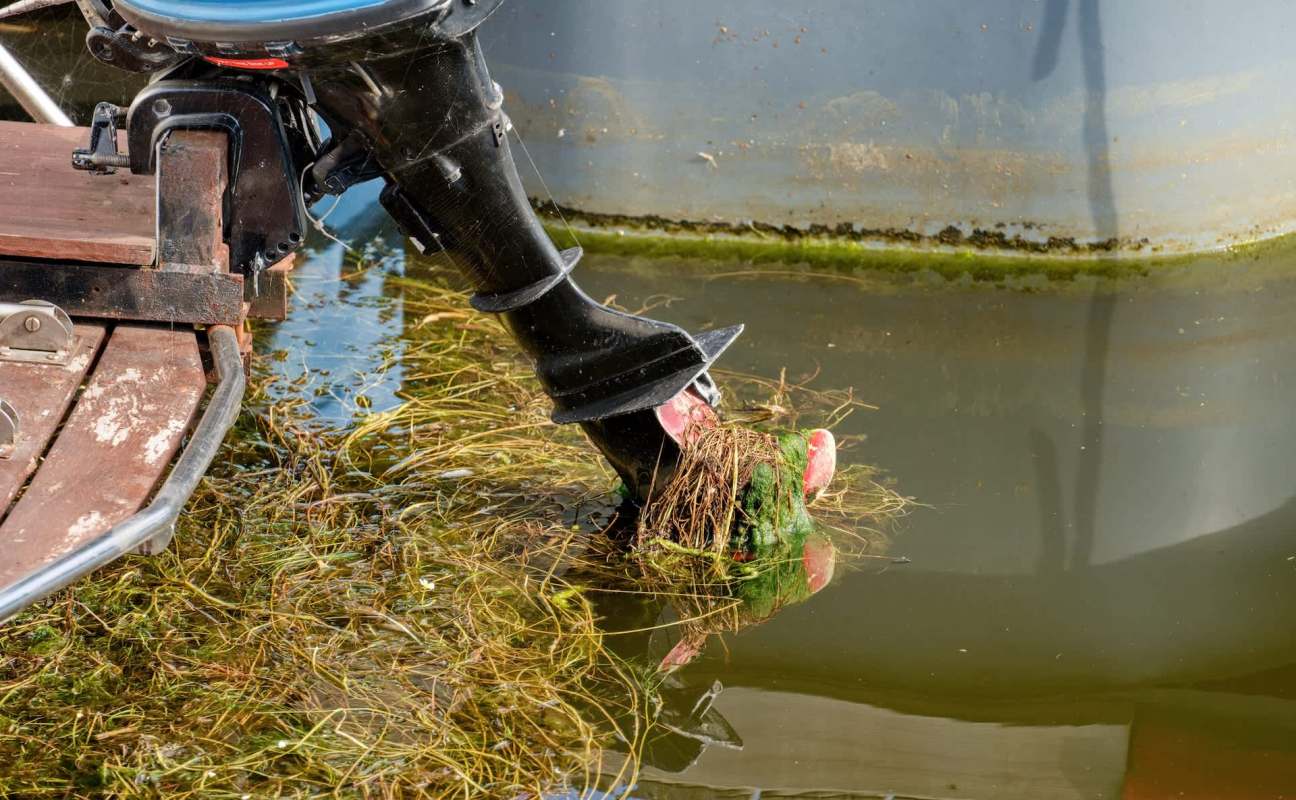
Many Michigan residents will spend the July 4 holiday on lakes and rivers, and state officials want one habit to be part of every trip back from the water: "clean, drain, dry."
The reminder comes as Michigan tries to slow the spread of destructive aquatic hitchhikers such as zebra mussels, which can damage ecosystems, clog infrastructure, and create problems for anglers and lake communities alike.
What's happening?
Michigan observed Aquatic Invasive Species Awareness Week from June 28 through July 5 under a proclamation from Gov. Gretchen Whitmer, with the campaign focused on preventing the spread of nonnative water plants and animals that endanger the state's ecosystems, recreation, and economy, according to the Michigan Invasive Species Program.
As part of that push, the 13th annual AIS Landing Blitz will bring volunteers and partner organizations to more than 31 boat launches around the state for outreach events.
The proclamation highlights the risks that invasive species pose to Michigan's environment, recreation, and economy, and similar awareness efforts are underway elsewhere in the Great Lakes region, including neighboring states and Canadian provinces.
"Preventing the spread of invasive species in our waterways is as simple as cleaning, draining and drying boats, trailers and gear between uses," said Kevin Walters, aquatic biologist with the Michigan Department of Environment, Great Lakes, and Energy.
TCD Picks » Quince Spotlight
💡These best-sellers from Quince deliver affordable, sustainable luxury for all




Why does it matter?
Aquatic invasive species can spread quickly and become extremely difficult to remove once they are established. Zebra mussels, Eurasian watermilfoil, and other nonnative species can outcompete native life, alter habitats, and create costly challenges for waterfront communities.
With more boats moving between lakes and rivers during holiday weekends, opportunities increase for plants, larvae, or contaminated water to hitch a ride on trailers, in bilges, or inside live wells.
Healthy waterways support fishing, paddling, swimming, and tourism, while infestations can reduce enjoyment and drive up management costs for communities and agencies.
What can I do?
Before transporting a watercraft, Michigan boaters are required to pull drain plugs and empty water from bilges, ballast tanks, and live wells. They must also clear all aquatic organisms, including plants, from both the boat and the trailer before launching or moving them, and any unused bait should go in the trash instead of the water.
State partners also suggest a few extra steps. Equipment can be left to dry for at least five days between trips to different waterways, and live wells and bilges can be disinfected with a bleach solution. Boaters should also wash boats and trailers before entering another body of water and remove mud and debris before leaving an access site.
Residents and visitors can still take part during AIS Awareness Week even without a boat. The Michigan Clean Water Corps is running its second annual AIS Detection Blitz and asking people to use the free iNaturalist app to photograph suspected invasive species and submit the sightings to the MiCorps AIS Detection Blitz project.
Information submitted through the project can help Michigan spot invasions earlier and shape management work in lakes, rivers, and wetlands statewide.
"AIS Awareness Week serves as an important reminder that every boater and angler can play a role in protecting Michigan's waters for future generations," Walters said.

Get TCD's free newsletters for easy tips, smart advice, and a chance to earn $5,000 toward home upgrades. To see more stories like this one, change your Google preferences here.







