


Boat launch stewards in Vermont are successfully managing introduced aquatic plants in local ponds and streams, according to The Charlotte News.
The stewards are a part of the Lewis Creek Association, a conservation nonprofit organization that works throughout the middle Lake Champlain Valley.
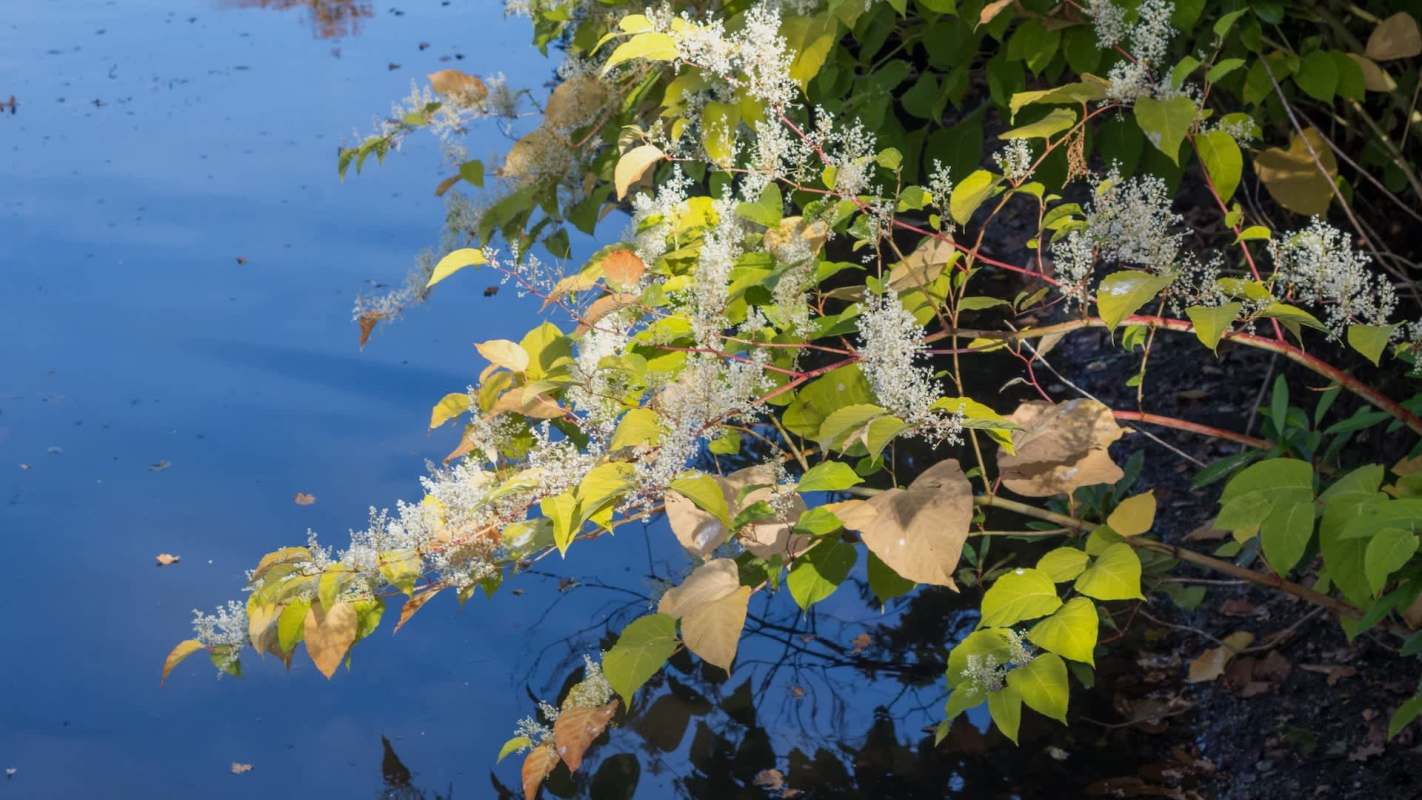
The group has found four displaced plant species in Bristol Pond and Monkton Pond. It also discovered two types of snail that have been introduced to Monkton Pond and an introduced plant, Japanese knotweed, along the Lewis Creek.
These waterways are popular recreation spots in the area, which means people can easily introduce species that aren't local by accident. Poor wildlife management can then make it difficult for people to enjoy outdoor resources, The Charlotte News explained.
Plants introduced by humans to an area can outcompete local plants and create imbalance in an ecosystem. Local plants are usually key supports for all kinds of native wildlife, including the pollinators that protect food supply chains.
That's why the LCA focuses on educating the public and proactively removes introduced plants. Its stewards work at the ponds' boat launches each summer, where they make sure hundreds of visitors are not introducing new species to the water.
TCD Picks » Quince Spotlight
💡These best-sellers from Quince deliver affordable, sustainable luxury for all




They are also addressing the knotweed along Lewis Creek. The team removed 138 cubic feet of the stuff from one site in 2024. That led to less of it returning in 2025, when the team only had to remove 60 cubic feet from the same site, per The Charlotte News.
Physically managing introduced plants is often necessary to restore balance, but using toxic chemicals can cause more problems. Instead, the LCA focuses on non-chemical methods to manage these plants, such as repetitive cutting techniques.
Now, the stewards are preparing for the 2026 season. They are rallying volunteers to help with knotweed removal and asking folks to help map the species by documenting any sightings in iNaturalist.
You can do the same work no matter where you live. Find out what needs balancing in your area and organize a group to manage the plants.
Or, you could focus on supporting existing species by planting flowers and grasses local to your home. These species can save you time and money on gardening since they usually need less watering and maintenance.
|
Which of these savings plans for rooftop solar panels would be most appealing for you?
Click your choice to see results and speak your mind. |
 Save $1,000 this year 💸
Get TCD's free newsletters for easy tips to save more, waste less, and make smarter choices — and earn up to $5,000 toward clean upgrades in TCD's exclusive Rewards Club.







