


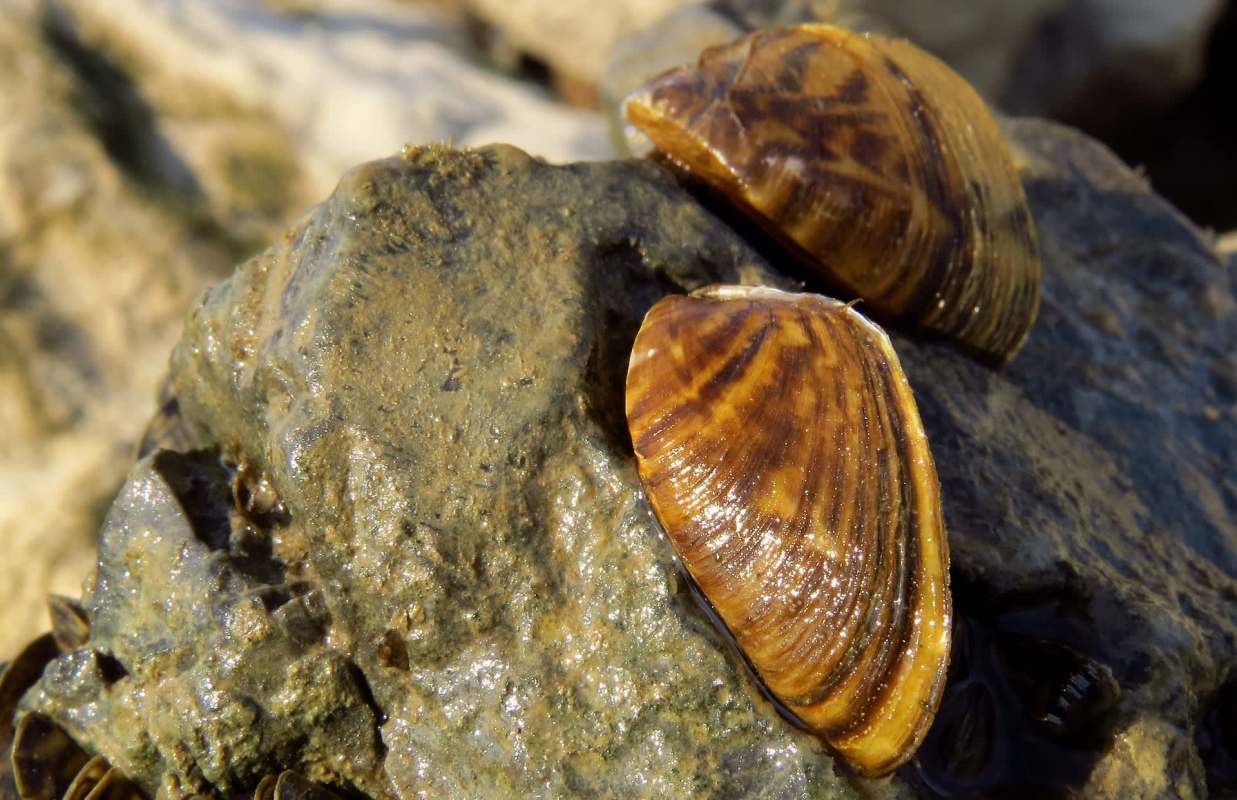
A new zebra mussel detection at Little Boy Lake in Minnesota is raising familiar alarms for lake users and nearby communities, as officials warn the tiny invaders are notoriously difficult to remove once they become established.
That means the focus now is on stopping them from spreading any farther.
What happened?
With zebra mussels now confirmed at Little Boy Lake, the Minnesota Department of Natural Resources is working to assess how extensive the infestation is and alert county aquatic invasive species staff, lake associations, and people who use the water, the Grand Forks Herald reported.
The agency said the Cass County discovery came from a settlement sampler attached near the end of a private dock. That multilayered device gives monitors a place to look for new infestations.
Gina Kemper, an invasive species specialist in the DNR's Ecological and Water Resources division, said the response reflects the limited options once the species takes hold.
"Unfortunately, once zebra mussels become established in a lake, eradication is generally not feasible," Kemper told the Grand Forks Herald. "There are no current practical, environmentally sound methods available to completely eliminate zebra mussels from our lakes."
TCD Picks » Quince Spotlight
💡These best-sellers from Quince deliver affordable, sustainable luxury for all




Why does it matter?
Zebra mussels can alter aquatic ecosystems, damage infrastructure, and create costly problems for communities that depend on healthy lakes for recreation, tourism, and quality of life.
That can mean more cleanup, more monitoring, and greater concern about accidentally carrying invasive species to another lake.
Even a single confirmed infestation can change how a lake is managed and how people approach moving boats, lifts, and equipment.
Kemper said the risks extend beyond a single species in one place.
"Preventing the spread of [aquatic invasive species] is critical because they can alter aquatic ecosystems, affect native plant and animal species, interfere with recreation, and create long-term management challenges for the resource managers, lake users, and communities," she said.
What can I do?
Because zebra mussels can be found year-round — including on docks, lifts, and other equipment kept out of the lake over the winter — the DNR says the best defense is to keep them from moving to another lake.
Minnesota law requires people to drain all water, transport with drain plugs removed, throw away unwanted bait in the trash, and clean boats, trailers, and equipment to remove aquatic plants and banned invasive species. It also prohibits putting bait, plants, and aquarium pets into Minnesota waters and requires docks, lifts, and rafts to remain out of the water for 21 days before being moved elsewhere.
Kemper said detection efforts rely heavily on partnerships, volunteer reports, and local monitoring, since the DNR does not place settlement samplers on all lakes as a routine practice.
"If there is one thing I can't stress enough, it's the importance of taking a few preventive steps before leaving a lake," Kemper said. "Those few minutes can make a significant difference in preventing the spread of aquatic invasive species."
"Prevention is by far the most effective tool we have to protect Minnesota's waters from new infestations," she added.

Get TCD's free newsletters for easy tips, smart advice, and a chance to earn $5,000 toward home upgrades. To see more stories like this one, change your Google preferences here.







