


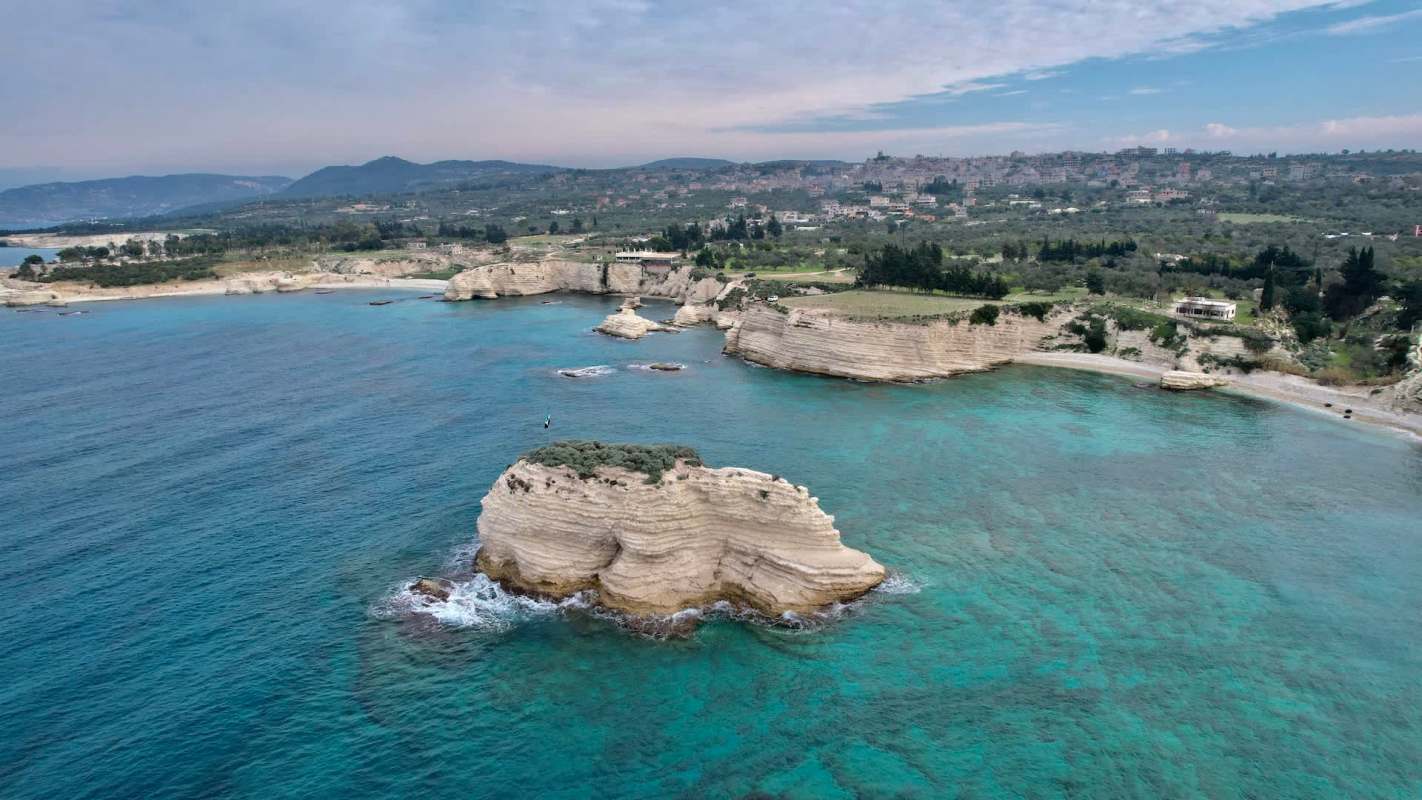
A once-in-40-year marine heatwave in the Mediterranean has scientists sounding the alarm over the pace of ocean change. From May 2022 to early 2023, surface temperatures rose to 4.3 degrees Celsius (7.7 degrees Fahrenheit) above normal, the region's longest and most intense heatwave in four decades.
"The science is unequivocal," said Mercator Ocean International researcher Karina von Schuckmann in an online briefing. "The ocean is changing fast, with extreme records and worsening impacts."
What's happening?
A report by the European Union's Copernicus Marine Service found that the Mediterranean Sea's record-breaking heat intensified pressures on already fragile marine ecosystems. Two invasive species — the Atlantic blue crab and the bearded fireworm — flourished in the warmer waters, disrupting biodiversity and threatening local fisheries.
In northern Italy's Po River delta, blue crabs wiped out between 75% and 100% of mussel production in some lagoons, devastating shellfish industries. Along the Sicilian coast, the bearded fireworm — a venomous species that damages both fish and fishing gear — multiplied rapidly, undercutting the livelihoods of small-scale fishers.
A similar issue has been found with other species in the region, such as the lionfish, which has no natural predators in the Mediterranean Sea and has multiplied to the detriment of native marine life.
Why is this heatwave important?
Researchers say the Mediterranean heatwave reflects a broader, accelerating pattern of ocean stress. According to the 2025 Copernicus Marine report, the ocean has absorbed about 90% of the excess heat from human activity since the 1960s, a finding consistent with data from the IPCC and NOAA.
TCD Picks » Quince Spotlight
💡These best-sellers from Quince deliver affordable, sustainable luxury for all




This massive heat uptake is driving more frequent and intense marine heatwaves. Meanwhile, rising carbon dioxide levels continue to acidify the ocean — as detailed in this TikTok video — which threatens shell-forming species and the food webs that depend on them.
As invasive species gain ground, native ecosystems lose their natural balance, a shift that can ripple through entire food chains.
"These changes are happening very rapidly on the scale of two centuries," warned Jean-Pierre Gattuso, a research director at France's National Centre for Scientific Research and a senior scientist at the Institute for Sustainable Development and International Relations.
What's being done about the invasive species?
Scientists and policymakers are calling for urgent action to reduce pollution and protect marine life.
|
Should we be harnessing the ocean to power our homes? Click your choice to see results and speak your mind. |
 Absolutely 👍
 Locally, experts propose creative responses such as repurposing fireworms to process shellfish waste, limiting the release of egg-bearing female crabs, and promoting blue crab consumption, an approach that is already taking hold in coastal communities that turn invasive crabs into menu staples.
Globally, programs like the Copernicus Marine Service are improving ocean monitoring and guiding policy responses to warming and acidification.
As von Schuckmann noted, "This knowledge is not just a warning signal, it is a roadmap to restore balance between humanity and the ocean."

Join our free newsletter for good news and useful tips, and don't miss this cool list of easy ways to help yourself while helping the planet.







