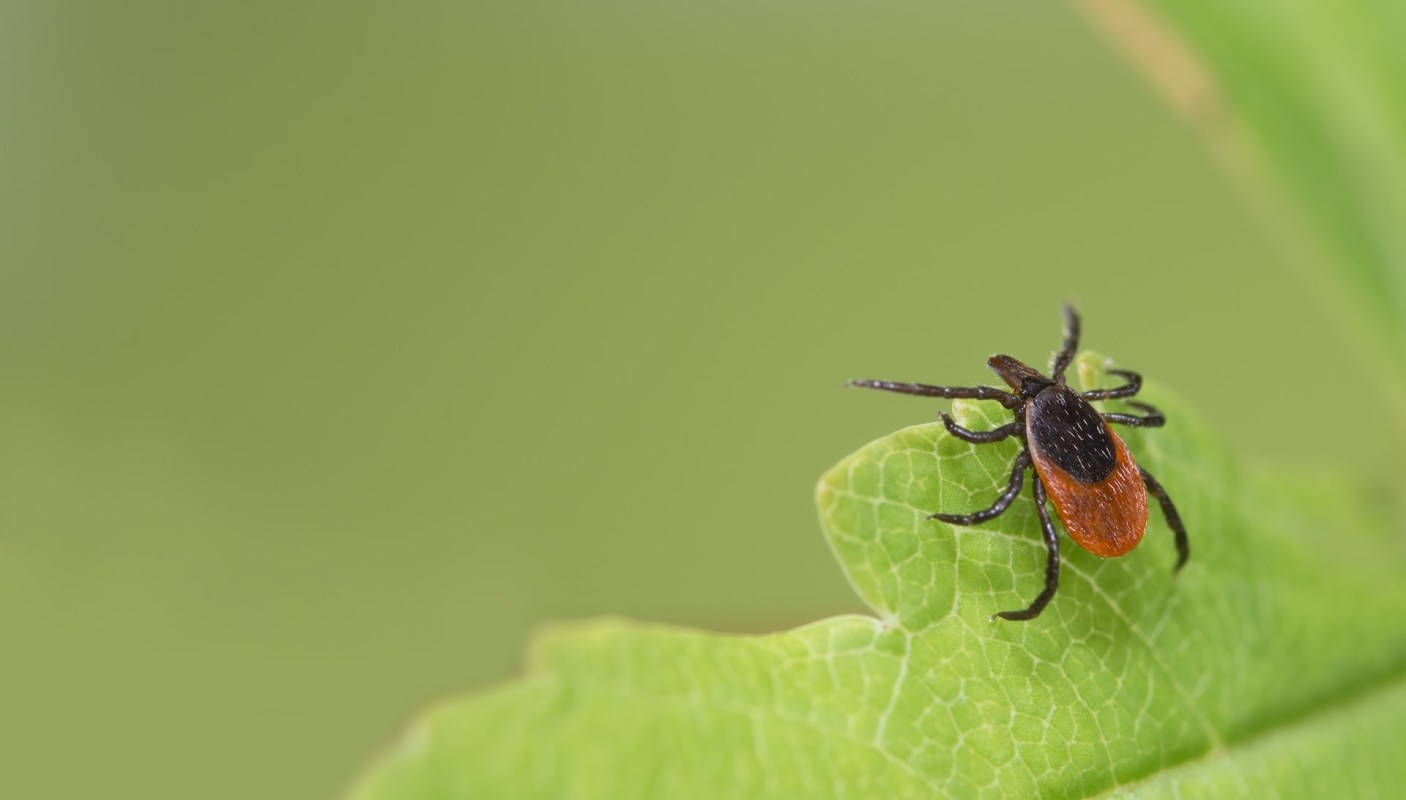
Maine officials are warning residents that this year could bring the state's worst tick season yet, according to a report by the Associated Press. Tick-borne illnesses like Lyme disease and anaplasmosis are sending more Maine residents to the hospital every year, and experts say the problem is only getting worse.
What's happening?
Cases of tick-borne disease in Maine have surged over the past two decades, increasing more than tenfold for Lyme disease alone, according to Sun Journal. The state's tick lab is reporting a 15-20% rise in deer tick submissions this year, and director Griffin Dill stated that 2025 is on track to set yet another record for infections, per Sun Journal.
Anaplasmosis, a lesser-known but dangerous tick-borne illness, is also on the rise. Victims report severe fevers, chills, delirium, and even temporary paralysis. For older Mainers and those with preexisting conditions, the disease can be life-threatening.
Anaplasmosis "wrecked me for most of a week, subsided, and then came back a week later for a rerun," said Mark LaFlamme, a staff writer at Sun Journal. "All I could eat was soup, and I did that with trembling hands."
Disturbingly, experts say most infected ticks are being found not deep in the woods, but in people's own yards and gardens, meaning simply spending time outside the house can now carry serious health risks.
Why is this concerning?
Warmer winters and longer stretches of mild weather are giving ticks more time to breed and spread, keeping them active year-round. As a result, residents face higher chances of infection, like anaplasmosis, even during seasons when ticks used to be dormant.
TCD Picks » Good Store Spotlight
Get 10% off your next purchase with code TCD10




Tick-borne illnesses can have long-lasting effects. Untreated Lyme disease can spread to the heart and nervous system, while anaplasmosis can cause dangerous complications for older adults. Experts warn that if tick populations keep growing, public health systems may be stretched thin, and vulnerable groups could face increasing risks.
This pattern mirrors other recent health trends tied to warming conditions, such as the spread of West Nile virus and mosquito-borne illnesses into regions where they were once rare.
What's being done about it?
Maine's tick lab is working to educate residents on prevention strategies, including wearing protective clothing, using repellents, and performing regular tick checks after outdoor activities.
On a larger scale, public health officials are urging more investment in tick surveillance, habitat management, and early treatment programs to keep infection rates under control. Everyday people can help by keeping grass trimmed, creating tick-safe zones around yards, and reporting tick encounters to local labs. As rising temperatures drive public health risks like this, it's important to understand how communities can respond to critical climate issues.
TCD Picks » Quince Spotlight
💡These best-sellers from Quince deliver affordable, sustainable luxury for all




|
Do you worry about the quality of the air inside your home?
Click your choice to see results and speak your mind. |
 Yes — often 😬
Join our free newsletter for good news and useful tips, and don't miss this cool list of easy ways to help yourself while helping the planet.