


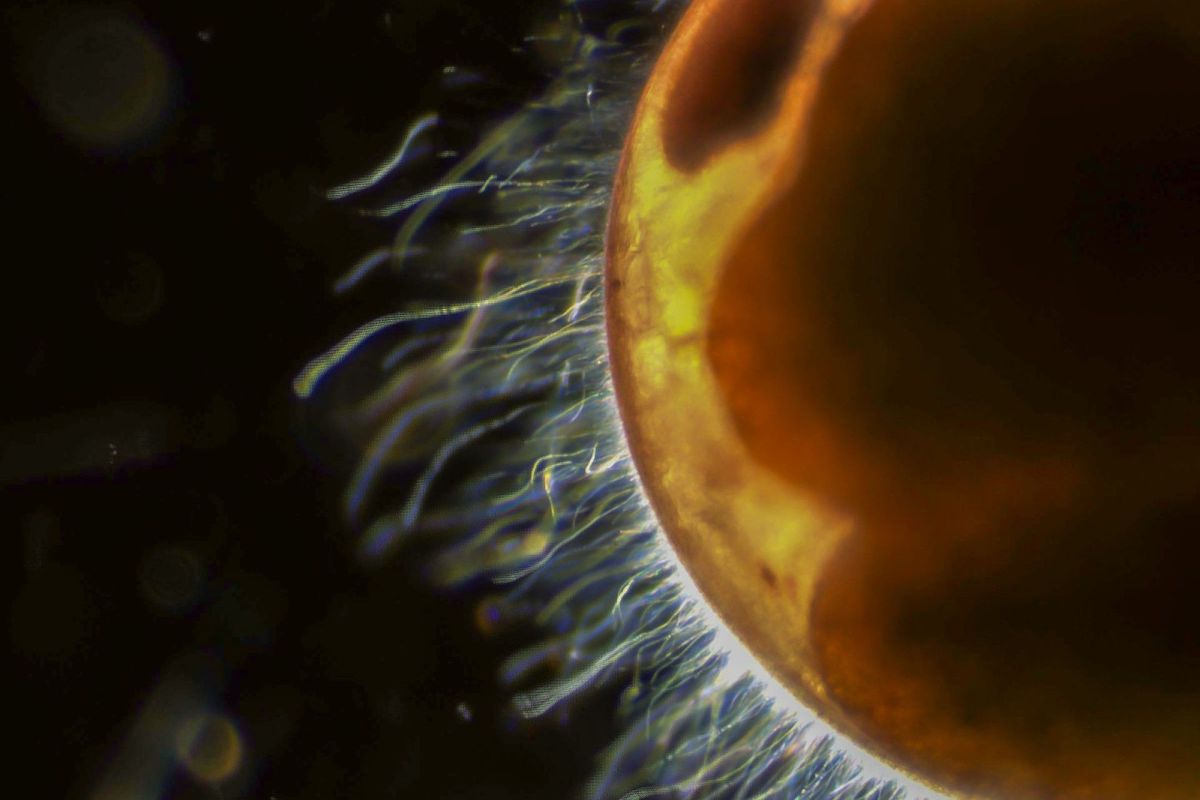
A new study is offering an unexpectedly hopeful sign for the future of American lobsters in a warming ocean.
According to the Virginia Institute of Marine Science, researchers at William & Mary's Batten School of Coastal & Marine Sciences and VIMS found that lobster eggs carry a rich community of bacteria that remains largely stable even under warmer, more acidic conditions.
The findings, published in Scientific Reports, suggest those microbes may help protect embryos during one of the most fragile stages of development.
That could matter beyond the lab as American lobster underpins a major fishery in the U.S. and Canada, generating hundreds of millions of dollars each year while supporting coastal jobs, working waterfronts, and regional food systems.
A better understanding of what helps lobster embryos stay healthy could eventually help communities respond to changing ocean conditions while protecting one of North America's most economically important marine species.
To reach that conclusion, the researchers used genetic sequencing to study microbes on lobster embryos and newly hatched larvae kept in tanks set to current and projected Gulf of Maine temperature and pH conditions.
TCD Picks » Quince Spotlight
💡These best-sellers from Quince deliver affordable, sustainable luxury for all




Rather than identifying only a handful of dominant bacteria, the team detected thousands of different microbial forms in embryos, larvae, and nearby tank water, VIMS reported. The microbial communities also grew more diverse as embryos developed, likely because growing eggs provide more surface area and release more compounds that microbes can use.
The researchers also found that egg-surface bacteria differed from those in the surrounding seawater. That suggests the embryo surface functions as a selective habitat, not just a passive outer layer. In effect, lobster eggs may be helping shape their own microscopic ecosystem.
Perhaps most encouraging, VIMS says the microbiome's overall structure showed only minor changes under warmer, more acidic conditions.
That result stood out because microbes often respond quickly and strongly to environmental shifts. In this case, however, the bacterial communities appeared to continue along their normal developmental path, pointing to a level of natural resilience that may help embryos tolerate near-term ocean change.
That kind of hidden biological support system could become an important part of efforts to safeguard fisheries in a changing climate. It also adds to a broader body of evidence suggesting that marine species may sometimes have more adaptive capacity than initially assumed.
"We think some of these microbes may help defend the embryos against pathogens," said the study's lead author, Sarah Koshak. "But we're still early in understanding what roles they play."

Get TCD's free newsletters for easy tips, smart advice, and a chance to earn $5,000 toward home upgrades. To see more stories like this one, change your Google preferences here.







