


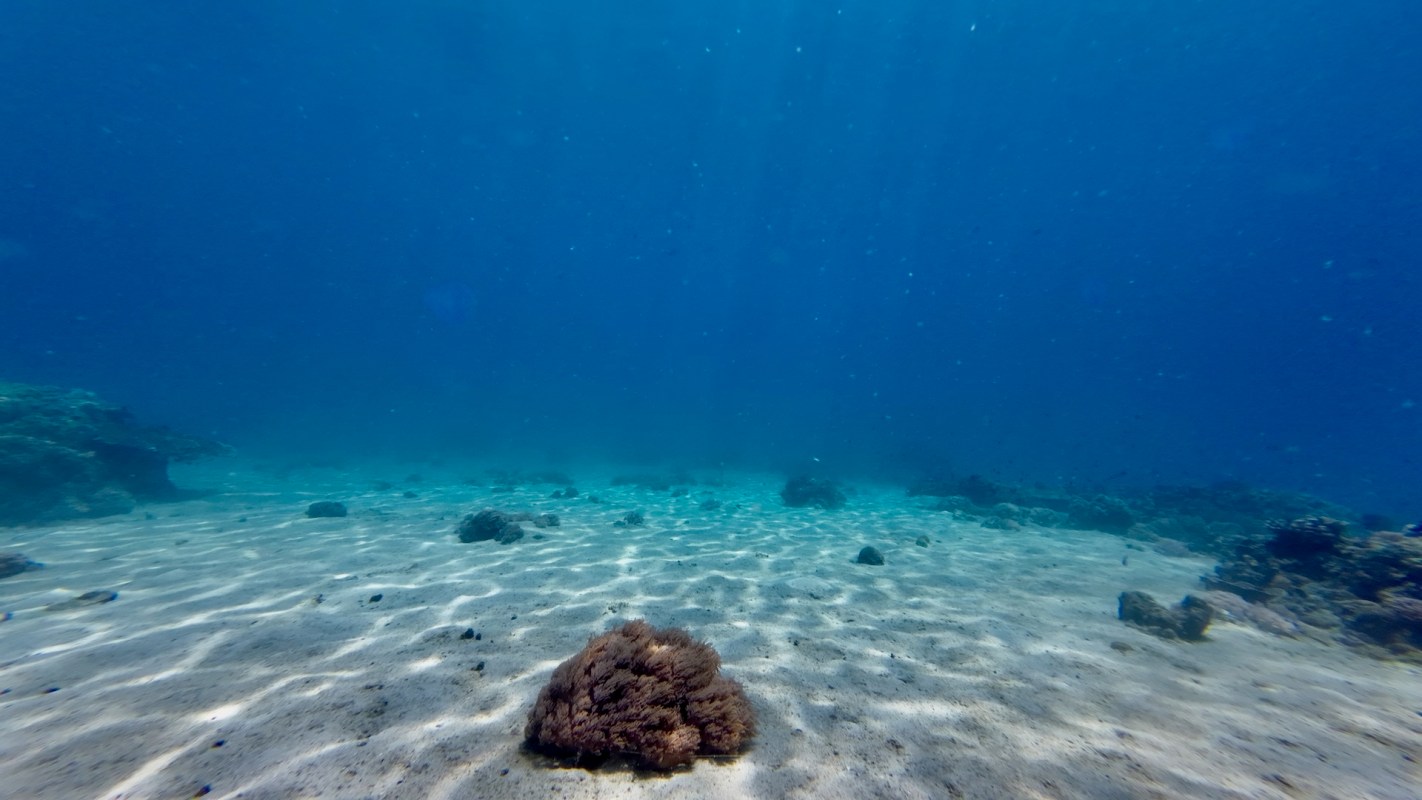
The continued warming of ocean waters threatens marine life, a new study demonstrates.
What's happening?
According to the Guardian, new research on the effects of rising sea temperatures found that the warming of the world's oceans is causing an alarming loss of marine life.
In the study, published in Nature Ecology & Evolution in February, researchers found that for every 0.1°C of ocean warming per decade, fish levels fell by roughly 7.2%.
"A 7.2% decline for every tenth of a degree per decade might sound small," Shahar Chaikin, the study's lead author and a marine ecologist, told the Guardian. "But compounded over time, across entire ocean basins, it represents a staggering and deeply concerning loss of marine life."
To reach this conclusion, the research team examined annual changes in 33,000 populations of marine life in the northern hemisphere between 1993 and 2021. "Long-term warming was associated with an annual biomass decline of up to 19.8%," the co-authors wrote in their publication.
Why is this concerning?
The oceans are currently so full of fish that they make up the second-largest amount of carbon across the world's animal species, and every single one of those fish has a role to play in maintaining the ocean's ecosystems.
TCD Picks » Quince Spotlight
💡These best-sellers from Quince deliver affordable, sustainable luxury for all




Predator and prey fish help balance ocean food webs. Birds, reptiles, and mammals also eat fish, making the animals vital to food chains outside the ocean too.
The loss of marine creatures also threatens to wreak havoc on the seafood industry. When fishermen can't catch as many fish as they used to, some will be forced to shut down their businesses. Less fish will be available in stores and on plates, and what seafood remains will increase in price.
Even plants rely on fish to survive, with some receiving nitrogen from fish bodies after they die. Fish also help maintain habitats by controlling algae growth, grazing on coral, and churning sand when they move across the ocean floor.
What can be done?
Many mitigation and adaptation efforts are underway to address the rise in sea temperatures and the loss of marine life. Policies to protect fish habitats may also help.
|
Which of these savings plans for rooftop solar panels would be most appealing for you?
Click your choice to see results and earn rewards to spend on home upgrades. |
 Save $1,000 this year 💸
 For example, initiatives to create and maintain regulations on the shipping industry's contribution to contaminated seawater can help protect fragile marine ecosystems from the compounding impacts of pollution. The Clean Arctic Alliance recently championed the foundation of the Scrubber Water Action Group to help address this issue.
Ultimately, though, experts expect that addressing warming oceans and ambient temperatures will require a global transition to cleaner, renewable energy systems, such as solar and wind.

Get TCD's free newsletters for easy tips to save more, waste less, and make smarter choices — and earn up to $5,000 toward clean upgrades in TCD's exclusive Rewards Club.







