


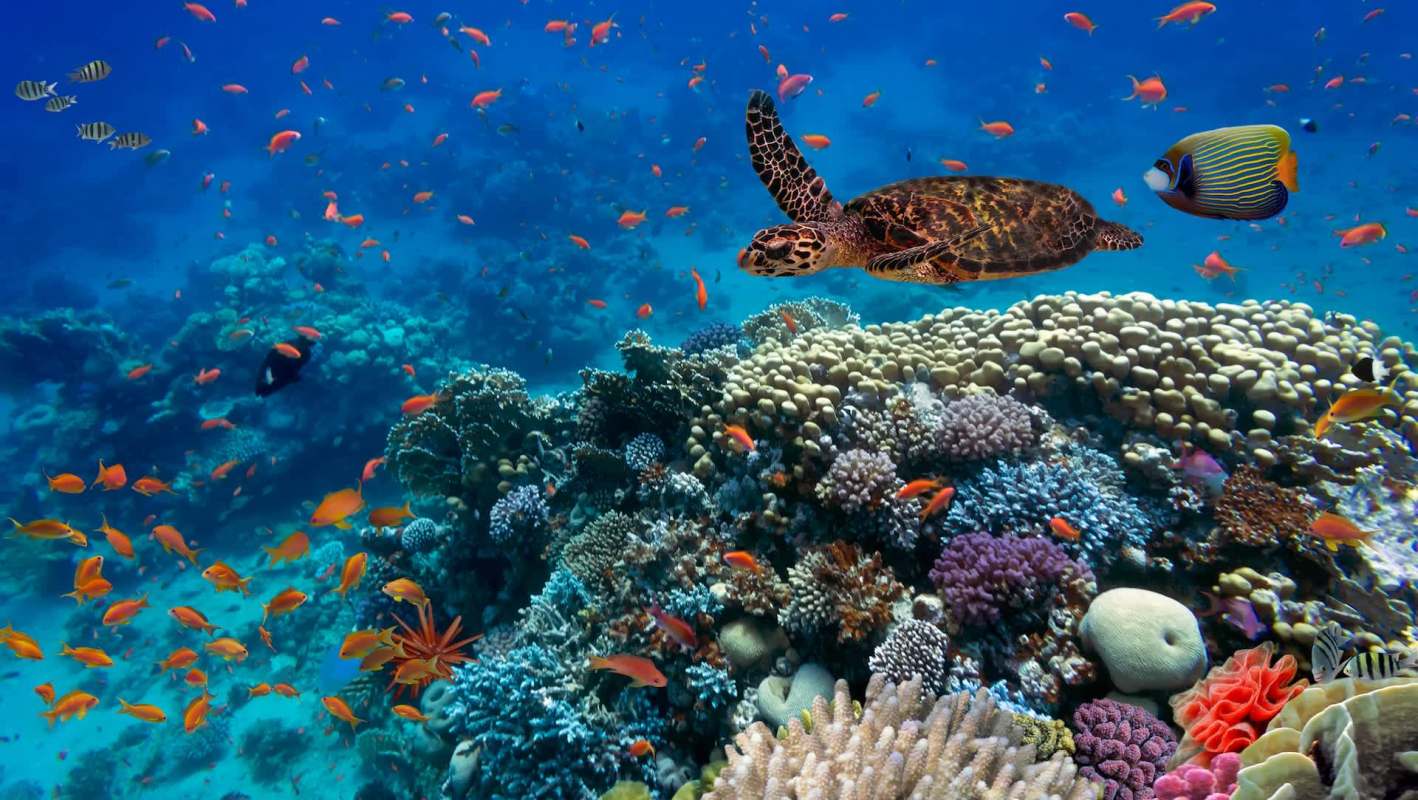
In a surprising twist to long-standing scientific concerns, new research from the University of Colorado Boulder suggests that some corals may be adapting to the changing climate, defying predictions about their decline in increasingly acidic oceans.
The study, published in Science Advances, focused on coral skeletons from the Great Barrier Reef and the Coral Sea, one dating back nearly 200 years and the other 115 years.
Using a high-tech method called Raman spectroscopy, researcher Jessica Hankins found that corals have continued building their hard calcium carbonate skeletons even though ocean acidity has increased since the Industrial Revolution.
"We found that corals were able to regulate the mechanism they use to build and maintain their skeletons despite the ocean becoming more acidic," said Hankins, calling it "an unexpected and hopeful signal."
This matters because ocean acidification, caused by rising carbon dioxide levels absorbed from the atmosphere, reduces the availability of carbonate ions, a critical building block for coral skeletons.
Scientists have long feared this would lead to weaker coral structures and widespread reef collapse. But this study hints that some coral species may be more resilient than previously thought.
TCD Picks » Quince Spotlight
💡These best-sellers from Quince deliver affordable, sustainable luxury for all




The research is particularly relevant as coral reefs continue to face extreme stress from warming seas, pollution, and overfishing. Between 2023 and mid-2024, mass bleaching events were reported in at least 62 countries and territories, highlighting the urgent threats these ecosystems face.
Coral reefs aren't just beautiful underwater structures; they are vital to marine biodiversity, acting as nurseries, habitats, and feeding grounds for thousands of marine species. They also serve humans by protecting coastlines from erosion and storm damage.
While the findings offer a glimmer of hope, scientists caution that more research is needed to understand if this adaptability applies to other coral species and regions.
Still, the discovery reminds us that nature may hold more resilience than we realize, and it underscores the importance of protecting marine environments amid a changing climate.
|
How often do you feel hopeful about the future of the planet when you read news stories or watch entertainment content? Click your choice to see results and speak your mind. |
 Often 😇
Join our free newsletter for good news and useful tips, and don't miss this cool list of easy ways to help yourself while helping the planet.







