


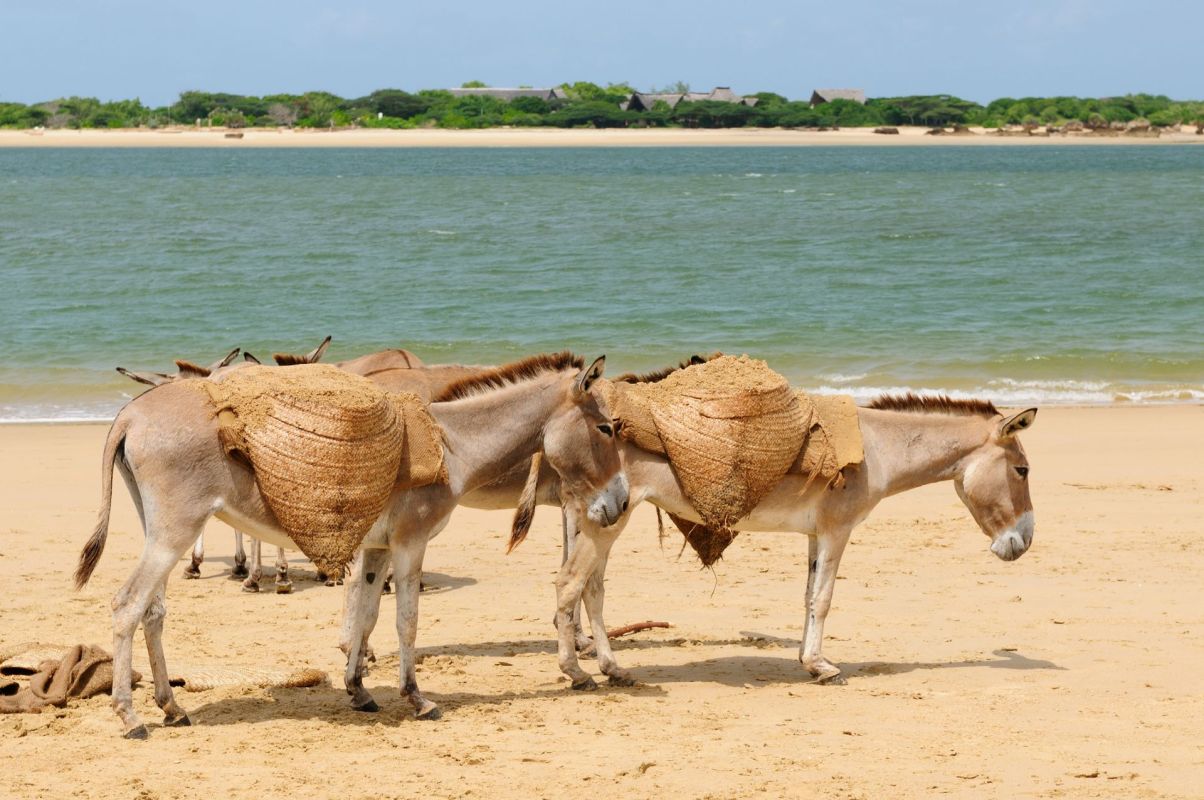
While plastics have undoubtedly led to a number of modern-day conveniences, their inability to naturally degrade has created an array of concerning issues. This includes a major impact on livestock and our food supply.
What's happening?
In a study published in the journal Cambridge Prisms: Plastics, researchers from the University of Portsmouth took a closer look at livestock in Kenya to better understand the growing problem of plastic pollution.
The researchers observed how the animals behaved and found that they often preferred feeding at garbage sites. At these sites, at least one out of every 10 to 20 items that the animals ate was made of plastic.
To determine how prevalent the plastic waste was inside the animals, the researchers also tested the animals' feces. They found high levels of microplastics, much higher than levels seen in farm-raised cattle in other studies. In fact, 100% of all fecal samples indicated the presence of microplastics.
Why is plastic ingestion in livestock important?
The majority of livestock owners in the study revealed that they viewed plastic pollution as a serious problem in the community. Nearly a third of local residents reported having witnessed an animal becoming sick following the ingestion of plastic waste. Mortality rates following this plastic ingestion were estimated to be upward of 78%.
In a press release detailing the study's findings, the researchers emphasized the importance of understanding the far-reaching impacts of plastic waste. Professor Cressida Bowyer, deputy director of the Revolution Plastics Institute at the University of Portsmouth, spoke about limited information regarding the effects of plastics on the animal kingdom.
"Most plastic pollution originates on land, yet its impacts on land-based animals remain chronically understudied," Bowyer said in a statement. "Our findings show how urgently this knowledge gap needs to be addressed."
What's being done about microplastics pollution in livestock?
"This study is a wake-up call for collective action to end the plastics crisis here in Lamu," said Dr. Obadiah Sing'Oei, program manager at The Donkey Sanctuary. "Time and time again we see firsthand the terrible — and preventable — suffering caused to donkeys who have ingested plastics."
The study noted that plastic pollution can affect not only certain livestock but the entire food chain. There may be potential implications for human health through contaminated meat and milk.
Livestock ingestion of plastic is an ongoing problem that could affect communities worldwide.
TCD Picks » Upway Spotlight
💡Upway makes it easy to find discounts of up to 60% on premium e-bike brands





|
Which of these savings plans for rooftop solar panels would be most appealing for you?
Click your choice to see results and speak your mind. |
 Save $1,000 this year 💸
 According to Leanne Proops, professor in Animal Behavior and Welfare at the University of Portsmouth, its impacts should be studied on a much wider scale to figure out a solution.
"Here we have clear evidence that microplastics are present across an entire animal population which has serious implications for the whole ecosystem," Proops said. "This problem extends far beyond Lamu — underscoring the urgent need for a holistic approach to mitigate the global plastic crisis."

Get TCD's free newsletters for easy tips to save more, waste less, and make smarter choices — and earn up to $5,000 toward clean upgrades in TCD's exclusive Rewards Club.
Cool Picks






