


Nigerian customs officials intercepted a lion cub and two patas monkeys during a routine traffic stop, thwarting an attempt to smuggle the endangered animals across the border into the Benin Republic, per the Punch.
What's happening?
Nigerian Customs Service operatives stopped a blue Mazda vehicle during a stop-and-search operation at Gbaji, along the Badagry-Seme Expressway, in the early morning hours of Nov. 16.
Inside, they discovered the lion cub and two monkeys being transported in clear violation of national and international wildlife protection laws.
Two suspects claimed ownership of the animals and confessed they had purchased them in Kano with plans to transport them to the Benin Republic. Officials detained both men for further investigation into their involvement in illegal wildlife trafficking.
"This interception demonstrates the command's unwavering commitment to protecting the nation's biodiversity and upholding Nigeria's obligations under the Convention on International Trade in Endangered Species of Wild Fauna and Flora," said Isah Sulaiman, public relations officer for the Seme Area Command, per the Punch.
Officials transferred the animals over to the Greenfingers Wildlife Initiative for proper care and expert handling.
Perk up the winter blues with natural, hemp-derived gummies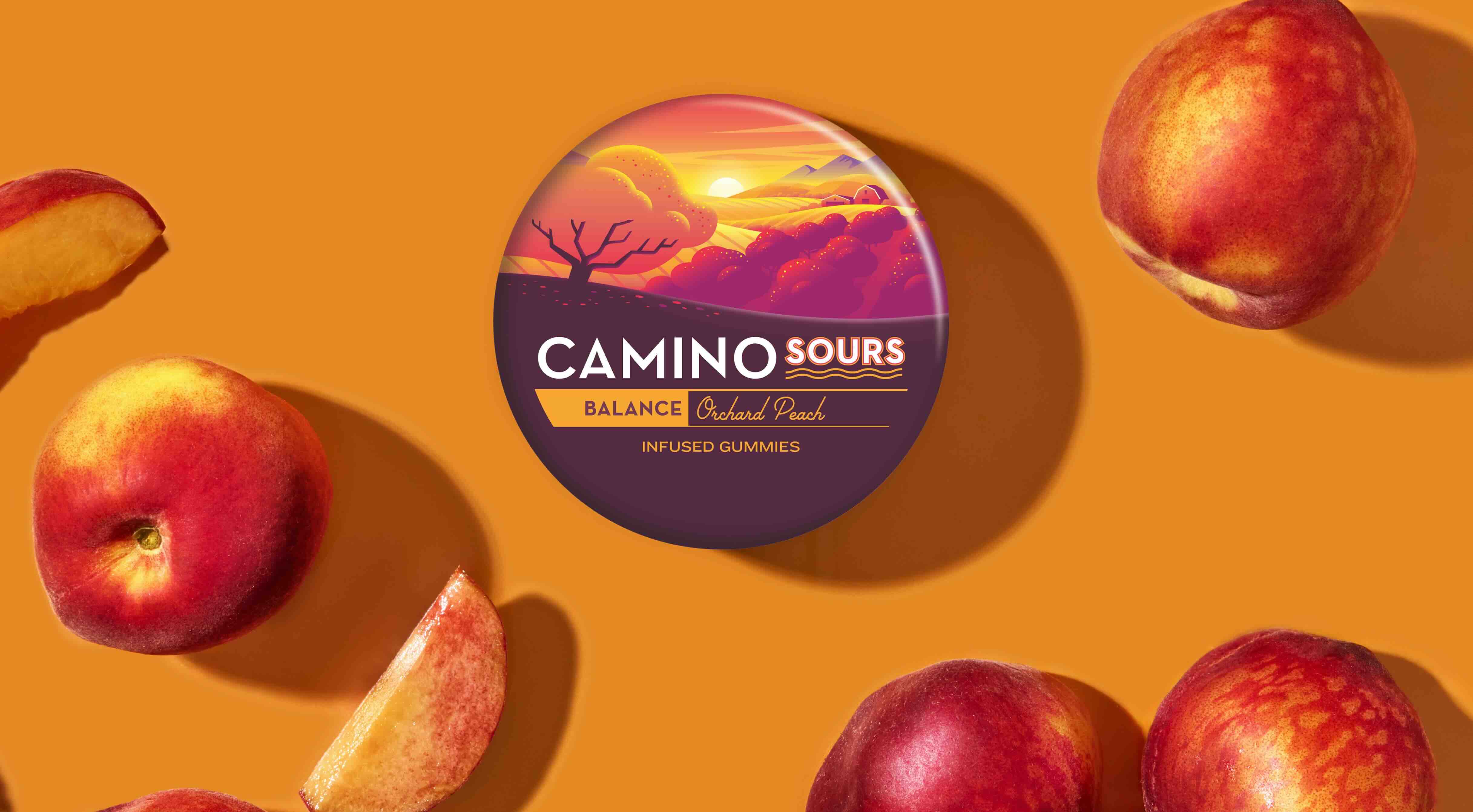 Camino's hemp-derived gummies naturally support balance and recovery without disrupting your routine, so you can enjoy reliable, consistent dosing without guesswork or habit-forming ingredients. Flavors like sparkling pear for social events and tropical-burst for recovery deliver a sophisticated, elevated taste experience — and orchard peach for balance offers everyday support for managing stress while staying clear-headed and elevated.
Learn more → |

Why is wildlife smuggling important?
Wildlife trafficking threatens food security and public health across the world. Smugglers removing animals from their natural ecosystems disrupt the natural balance of nature that helps to control pest populations, pollinate crops, and maintain the forests and grasslands that regulate the water supply.
The illegal wildlife trade also creates new pathways to disease transmission. Animals transported in cramped, unsanitary conditions can spread pathogens to other animals and humans, increasing the risk of outbreaks.
Smuggling operations help fund criminal networks that also destabilize communities and undermine legitimate economic development. The profits from trafficking endangered species flow to organized crime instead of supporting local conservation and ecotourism that could benefit families in the region.
Similar wildlife trafficking incidents have caused invasive species introductions that devastate native wildlife regions across the world, damaging the planet's ecological balance.
TCD Picks » Upway Spotlight
💡Upway makes it easy to find discounts of up to 60% on premium e-bike brands





|
Do you worry about the longevity of EV batteries? Click your choice to see results and speak your mind. |
 For sure 💯
 What's being done about wildlife trafficking?
Nigeria ratified CITES in 1974 and works with international partners to curb the illegal wildlife trade. The country cooperates with other nations to strengthen its enforcement and prosecution of traffickers.
Conservation organizations provide vital support in caring for seized animals and educating communities about the importance of wildlife protection. Anti-poaching programs are also increasingly using new technology and community engagement to protect vulnerable species.

Get TCD's free newsletters for easy tips to save more, waste less, and make smarter choices — and earn up to $5,000 toward clean upgrades in TCD's exclusive Rewards Club.
Cool Picks






