


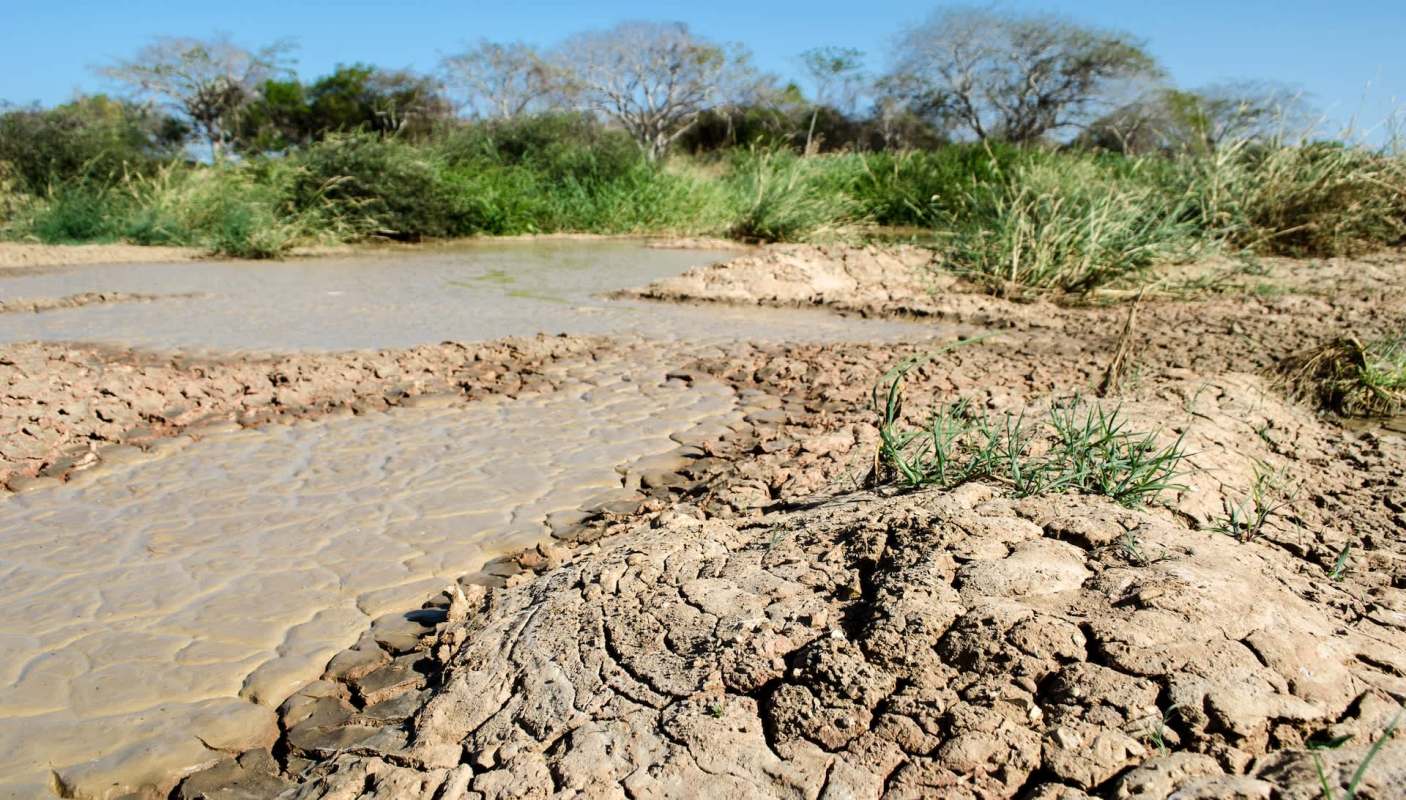
A new report published by the Food and Agriculture Organization of the United Nations (FAO) found that land degradation, a long-term decline in the health of the land resulting in lower agricultural productivity, impacts more than 1.7 billion people globally.
What's happening?
The report described land degradation as "a pervasive and silent crisis that is undermining agricultural productivity and threatening ecosystem health worldwide.."
About half of the world's habitable land is used for agriculture, according to data from the World Economic Forum. However, the very land designated for global food production is becoming less healthy, affecting the quality and quantity of food it can produce.
Land degradation occurs naturally, but human-induced factors, such as deforestation, overgrazing, planet-warming, and unsustainable farming practices, accelerate the rate at which croplands degrade.
Data from FAO's new report found that in areas where crop yields have suffered more than 10% due to human-induced land degradation, a collective 1.7 billion people are affected. Almost 47 million of this affected population are children under five years old, who suffer from stunted growth due to increased food insecurity.
On the flip side, however, the FAO report noted that reversing just 10% of human-induced land degradation can improve agricultural productivity, feeding an additional 154 million people per year.
Perk up the winter blues with natural, hemp-derived gummies Camino's hemp-derived gummies naturally support balance and recovery without disrupting your routine, so you can enjoy reliable, consistent dosing without guesswork or habit-forming ingredients. Flavors like sparkling pear for social events and tropical-burst for recovery deliver a sophisticated, elevated taste experience — and orchard peach for balance offers everyday support for managing stress while staying clear-headed and elevated.
Learn more → |

Why is land degradation important?
Land degradation impacts agricultural productivity, determining how much food the land is capable of growing, and thus, how many people it can feed. A deteriorating quality in soil health also produces fruits, vegetables, and food crops with lower nutritional value, exacerbating global food insecurity issues.
These crop yield losses represent real financial losses and increased economic pressures for farmers and rural communities whose livelihoods depend on agricultural production. While momentarily absorbed by farmers, the cost of increased crop losses is eventually passed down to everyday consumers, who end up paying more for daily groceries.
What's being done to protect food security?
Rising planet temperatures, changing climate patterns, and unstable growing conditions are all urging scientists to conduct more research on how to develop seed and crop varieties that are more resilient to climate stresses.
Scientists at La Trobe University in Melbourne have studied how to manipulate plant cells to ensure uniform germination rates, making farming more predictable and easier to manage.
TCD Picks » Upway Spotlight
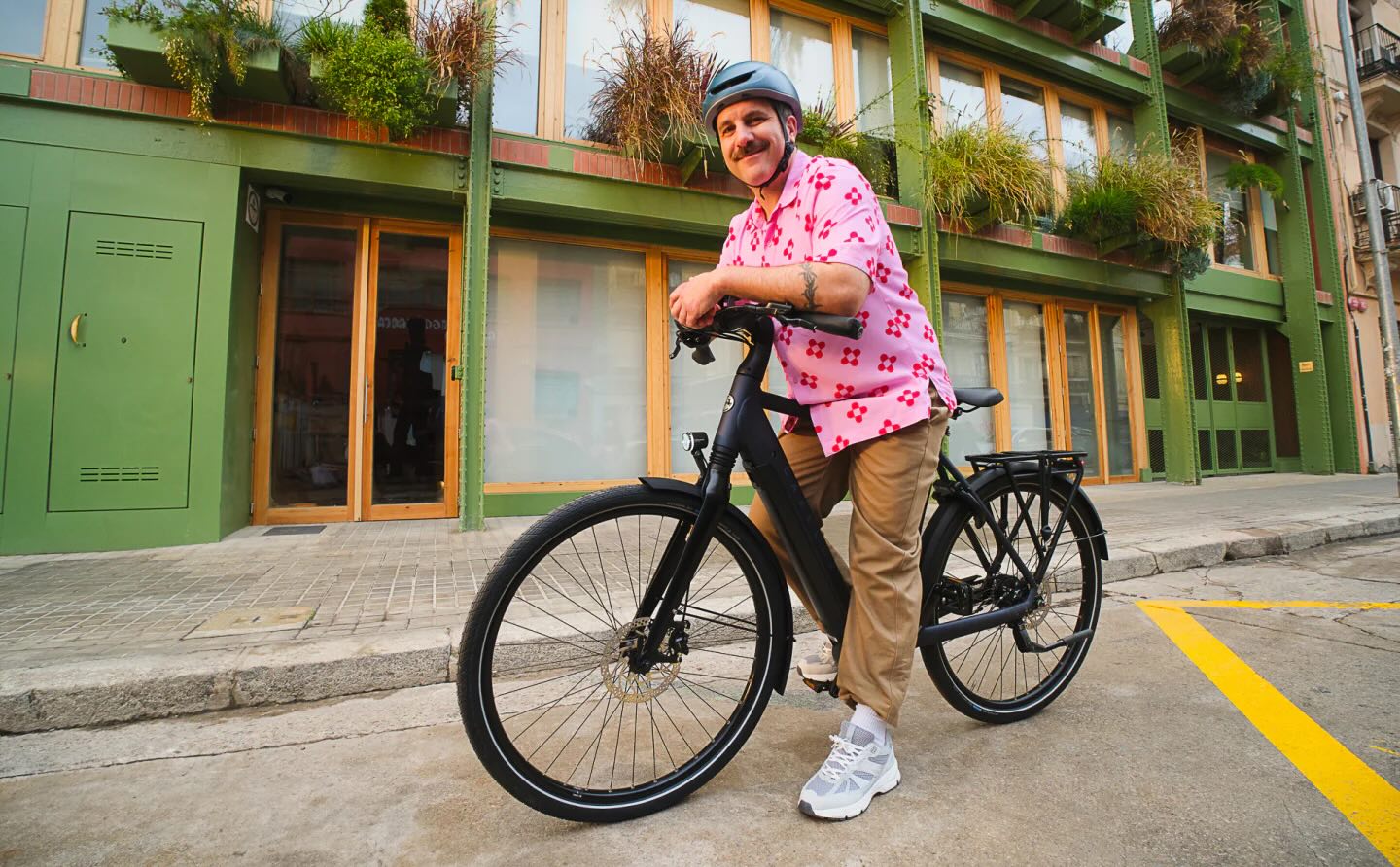
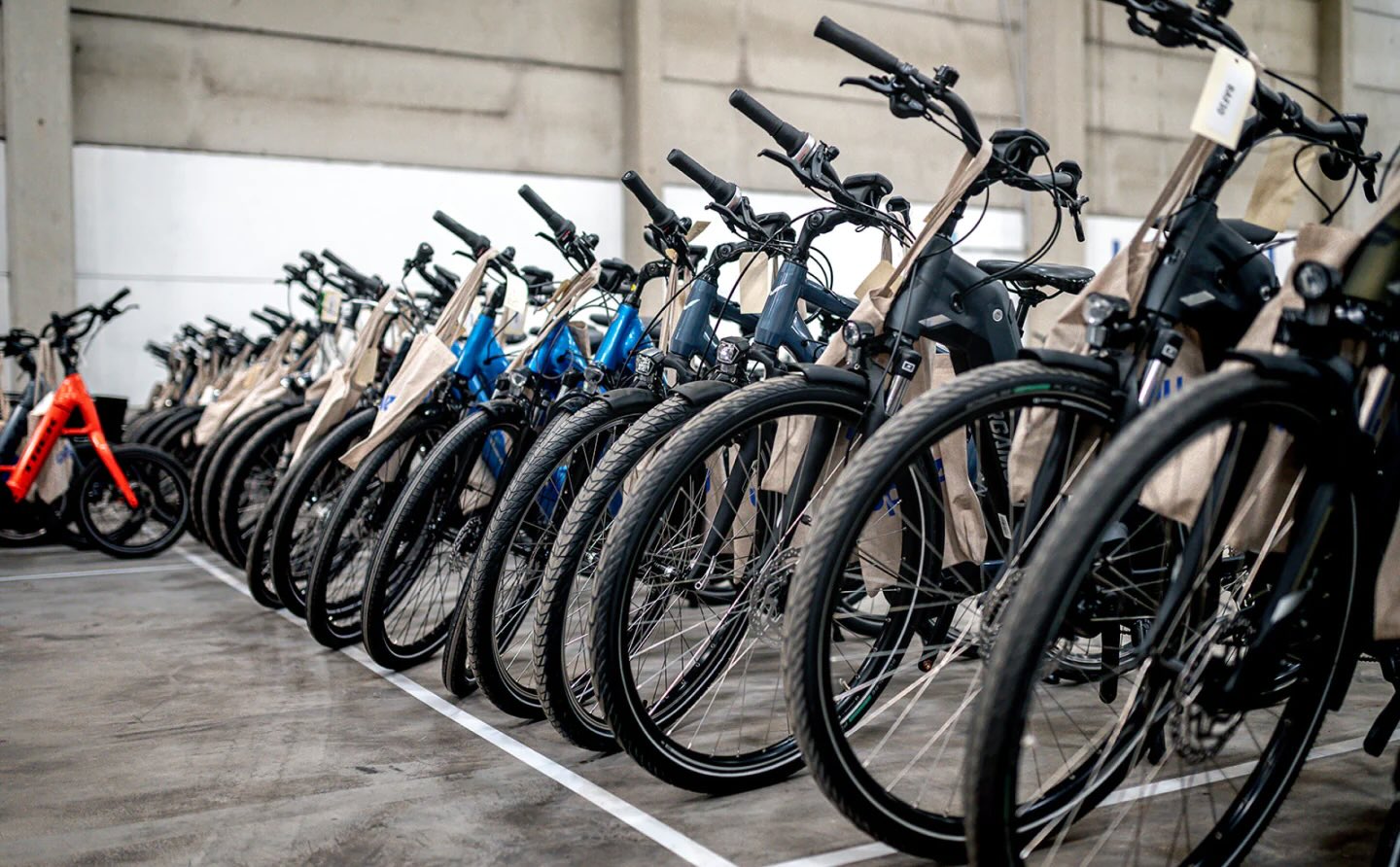
💡Upway makes it easy to find discounts of up to 60% on premium e-bike brands



|
Do you think sewage pollution is a major problem in America? Click your choice to see results and speak your mind. |
 Yes 👍
Yes 👍 A team of scientists at the University of Arkansas has developed a solar-powered, plasma water generator that can boost seed germination rates by 135%, improving the rates at which older and more fickle plant seeds can produce mature plants.
While the above scientific solutions are innovative ways to meet the changing agricultural needs of the planet's modern climate, an easier and more apparent solution to improve food security is to take care of the land that produces our food.
FAO's new report encouraged adopting more sustainable farming practices, such as implementing crop rotation and using cover crops, to maintain and improve soil health, boosting agricultural productivity.
"To seize these opportunities, we must act decisively," said Qu Dongyu, FAO director-general, per FAO.

Get TCD's free newsletters for easy tips to save more, waste less, and make smarter choices — and earn up to $5,000 toward clean upgrades in TCD's exclusive Rewards Club.
Cool Picks






