


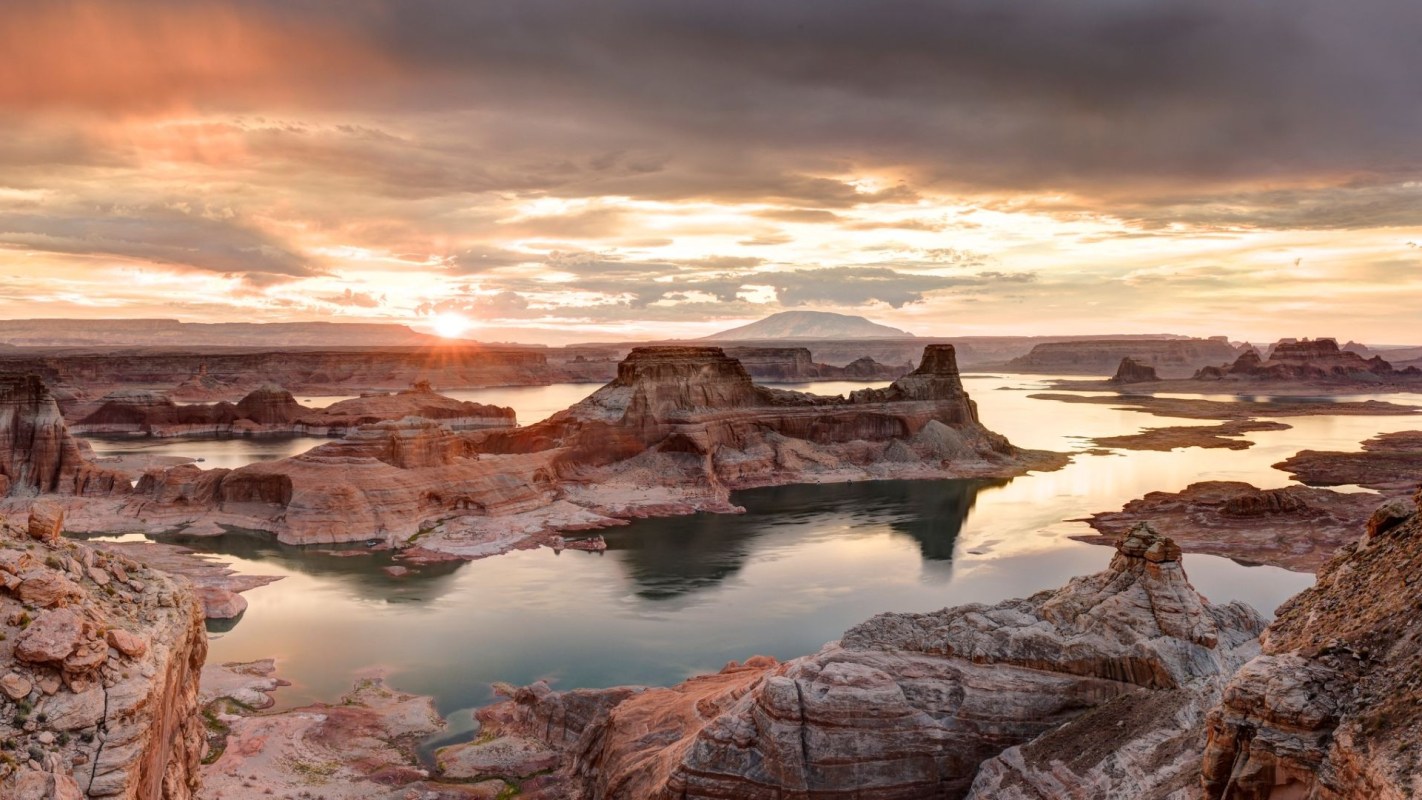
Newly exposed parts of Glen Canyon are beginning to return as Lake Powell drops. But while the low reservoir is a warning sign of the worsening drought affecting the Colorado River, the canyon is offering a more hopeful counterpoint.
According to The Denver Gazette, Zak Podmore told attendees at the University of Colorado Law School's annual Colorado River conference that the shrinking reservoir is uncovering what he sees as one of the river's biggest natural restoration stories.
What happened?
Formed when Glen Canyon Dam was built in the 1960s, Lake Powell is now just under 3,528 feet above sea level, the Gazette reported. That leaves it about 158 feet above the "dead pool" level, at which the dam would no longer be able to produce hydropower.
That decline has fueled years of concern about water supplies for 40 million people, as well as businesses across the Southwest.
In his book "Life After Dead Pool: Lake Powell's Last Days and the Rebirth of the Colorado River," Podmore points to a different development in the newly uncovered canyon, according to the Gazette.
Since the reservoir was last full in 1999, about 100,000 acres have been exposed, along with 42 miles of the Colorado River, 47 miles of the San Juan River, and 143 miles of other streams. With the expansion of waterways, Podmore has been paying close attention to what habitats and ecosystems return with them.
TCD Picks » Quince Spotlight
💡These best-sellers from Quince deliver affordable, sustainable luxury for all




"It's about the habitat in the river sections that are coming back," he said.
He said the returning landscape now includes giant cottonwoods, native vegetation overtaking invasive species, and the reappearance of river otters, beavers, and peregrine falcons.
When visiting the area, boaters can still see what was flooded when the lake was at its peak. In some side canyons, Podmore explained, visitors can still paddle past drowned "ghost" trees.
"They're still standing. They still have their bark. It's an interesting and eerie experience," he said.
Why does it matter?
While the reservoir's decline is creating new worries about hydropower and long-term water planning, it is also offering a real-world look at how ecosystems can rebound when pressure eases. That recovery could help guide restoration efforts elsewhere in the West.
Podmore also said the comeback is not only ecological. Ancestral Puebloan steps, pottery, rock imagery, baskets, and sandals are reappearing after decades underwater, highlighting Glen Canyon's cultural value as well.
Though researchers are still trying to determine what happens next, Podmore pointed to one early sign of resilience. In canyon after canyon, he said, vegetation returning over 15 or 20 years is beginning to resemble land that was never flooded at all.

Get TCD's free newsletters for easy tips, smart advice, and a chance to earn $5,000 toward home upgrades. To see more stories like this one, change your Google preferences here.







