


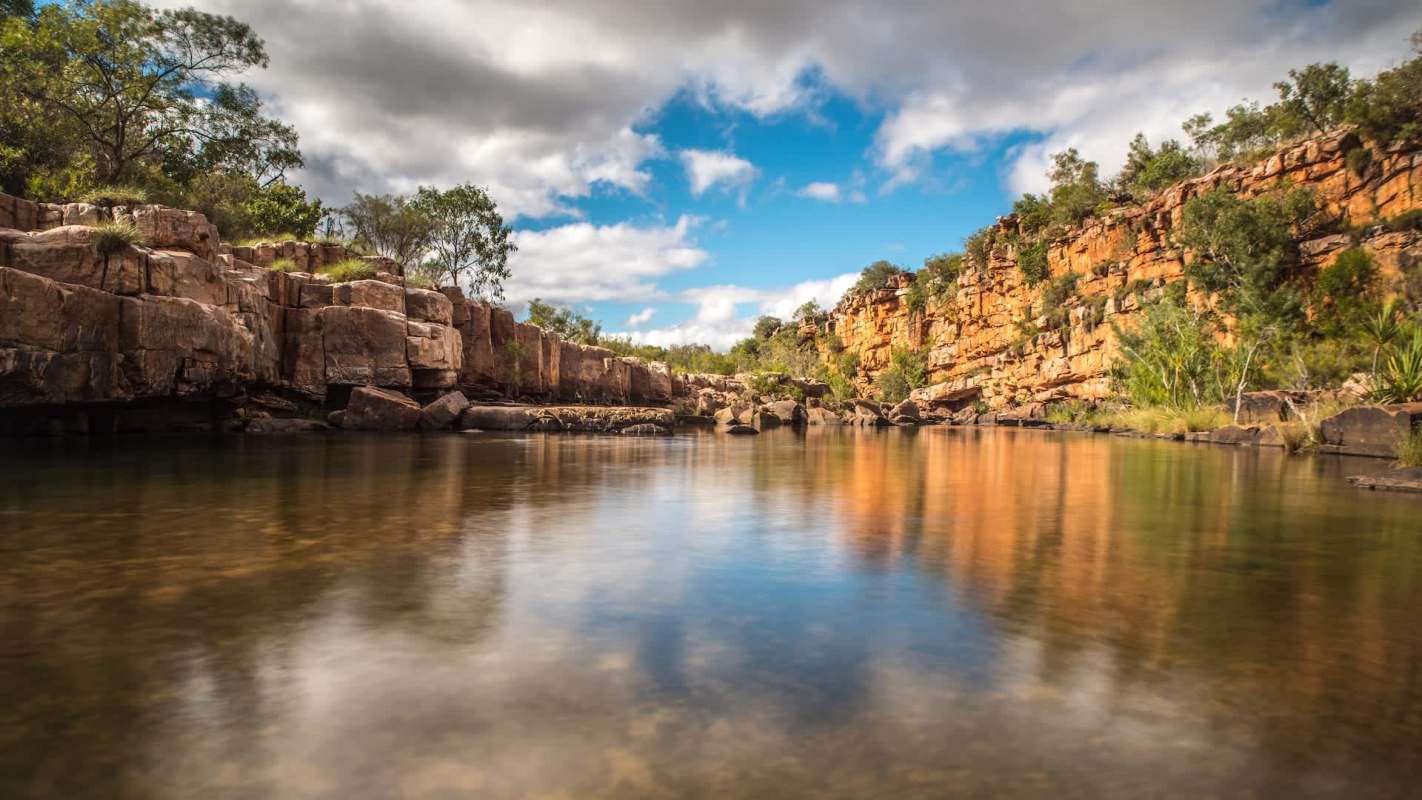
Jonathan Nadji, a Bininj man living near and taking care of Kakadu National Park, is bringing attention to rising sea levels in the area.
What's happening?
Kakadu National Park in Northern Australia is in a region with low-lying land. As sea levels have risen because of climbing global temperatures, the park has experienced more intense flooding, according to the Australian Broadcasting Corp.
"Nature is warning us, but nobody's listening," Nadji told the outlet.
Worldwide sea levels are expected to rise by 0.84 meters (2.8 feet) by 2100, according to the ABC, which cited the Commonwealth Scientific and Industrial Research Organisation. This is concerning for coastal wetlands, many of which are just 1 meter (3.3 feet) above sea level. Communities around Kakadu have already experienced major damage from flooding, with a 2008 flood decimating one-third of buildings in nearby Oenpelli. This risk will only worsen as sea levels climb.
If this issue persists at the rate it has been, the famous Kakadu freshwater wetlands may also be overtaken by saltwater. This would completely alter the local ecosystem — and the early signs are already there. Native paperbark trees are dying because of the spike in salt. They've been replaced by mangroves that thrive in brackish conditions. Meanwhile, an increase in saltwater can also hurt freshwater fish.
Why are rising sea levels important?
Elevated sea levels make the impact of extreme weather worse. As the planet heats up because of human activity, the atmosphere holds more moisture. CSIRO scientist Jaci Brown told the ABC that this has caused more intense rainfall in Kakadu, leading to major flooding. Floods combined with raised sea levels threaten to make the wetlands unlivable for locals.
"You can't house people in waist-deep water," Brown said.
Rising sea levels are a clear threat to coastal communities, as demonstrated by those living near Kakadu National Park. Across the world, many people are being forced to relocate because of flood risks, though not everyone can afford to do so.
The encroaching saltwater also endangers the welfare of the freshwater ecosystem of Kakadu, killing native wildlife and reducing biodiversity. Local tourism could also be affected since many visitors come for the freshwater wetlands.
What's being done about rising sea levels?
Brown explained that cutting pollution is a critical step toward conserving the Australian wetlands. There are many ways that individuals can adopt more sustainable habits in order to help the climate.
TCD Picks » Quince Spotlight
💡These best-sellers from Quince deliver affordable, sustainable luxury for all




For example, switching to solar energy can reduce carbon pollution while saving homeowners money on utility bills. TCD's Solar Explorer can curate competitive installation bids for you, and TCD partner EnergySage provides a free service that makes it easy to connect with vetted local installers, find available incentives, and save thousands of dollars on a solar installation.
|
What's the most you'd pay per month to put solar panels on your roof if there was no down payment?
Click your choice to see results and speak your mind. |
 $200 or more 💰
Get TCD's free newsletters for easy tips to save more, waste less, and make smarter choices — and earn up to $5,000 toward clean upgrades in TCD's exclusive Rewards Club.
Cool Picks






