


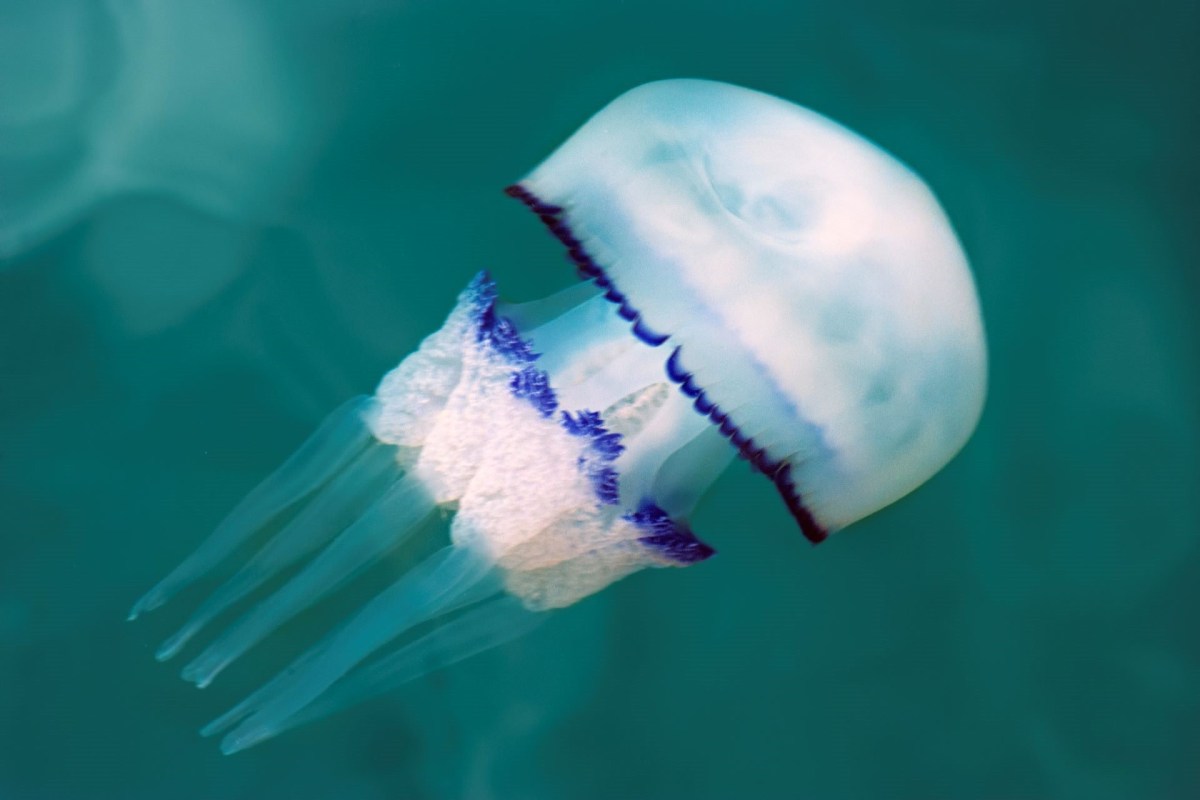
An unusually high number of jellyfish have been spotted in U.K. waters this summer — a surge linked to warming seas and favorable breeding conditions.
While the blooms are a seasonal occurrence, this year's spike suggests a trend that could intensify in the years ahead, according to the Guardian.
What's happening?
Each summer, jellyfish arrive for their reproduction cycle, riding warm water currents toward the coast. This year, record-high sea-surface temperatures in April and May have created prime conditions for a population boom and a longer stay.
Species spotted include barrel jellyfish — which can reach a meter in diameter — along with compass, moon, lion's mane, blue, and mauve stinger jellyfish. The Marine Conservation Society recorded 1,432 sightings in 2024, a 32% increase from the previous year.
Abigail McQuatters-Gollop, a marine conservation specialist at the University of Plymouth, told the Guardian that some evidence suggests we are "more likely to have more jellyfish blooms because of climate change and the water getting warmer."
Why does an increase in jellyfish matter?
While jellyfish are a natural presence in U.K. waters, warmer sea temperatures are creating conditions for larger blooms and longer stays, increasing the chances of human-jellyfish encounters. That could mean more beach closures, reduced tourism income, and fishing disruptions — and even nuclear power plant blockages that strain infrastructure.
These changes are also a sign of more severe shifts in marine ecosystems. Larger, more frequent blooms can crowd out fish, destabilize the food web, and alter the timing and behavior of other species — effects that ripple through coastal economies and the environment alike.
Similar changes in marine environments, like warming off England's coast and threats to the world's largest fish, the whale shark, show how warmer waters can quickly reshape wildlife patterns.
What's being done about it?
Marine specialists recommend protecting predator species, reducing overfishing, and tackling pollution to restore balance. Individuals can help by supporting eco-friendly initiatives by mainstream brands, reducing single-use plastics, and joining local shoreline cleanups.
McQuatters-Gollop also encourages safe appreciation, telling the Guardian, "I wanted to encourage people to safely observe jellyfish and fall in love with them, because they are amazing and I feel so lucky when I dive and swim alongside them."
TCD Picks » Quince Spotlight
💡These best-sellers from Quince deliver affordable, sustainable luxury for all




|
Do you think your city has good air quality? Click your choice to see results and speak your mind. |
 Definitely 🥰
Join our free newsletter for good news and useful tips, and don't miss this cool list of easy ways to help yourself while helping the planet.
Cool Picks






