


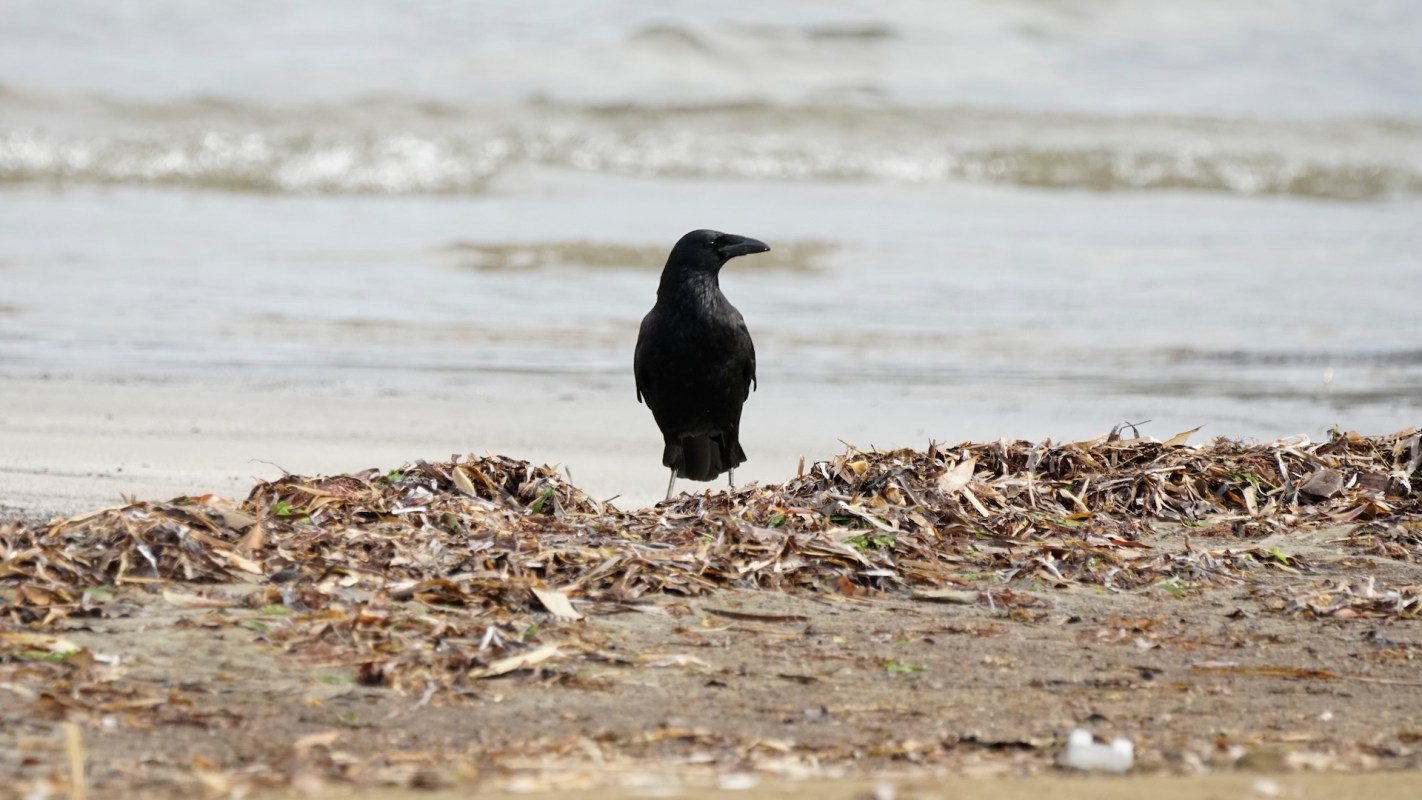
Fresh research has tallied up the major sources of damage to coastal animal populations in Japan, and plastic waste was high on the list, according to The Japan News.
What's happening?
Between April 2024 and June 2025, the Wild Bird Society of Japan received 55 reports of animal distress across 19 prefectures. Fishing line was the culprit in 38 of those cases. Threatened species like peregrine falcons and black-faced spoonbills were among those reported. According to Japan News, officials with the society estimated that this data was "only the tip of the iceberg," given its short time frame.
Why is fishing line important?
Abandoned fishing lines are a massive plastic pollution issue. This "ghost gear" forms nearly half of the Great Pacific Garbage Patch. Up to 1 million tons of fishing gear is abandoned at sea every year.
This plastic becomes a physical obstacle for wildlife, entangling animals and causing them to struggle to free themselves. This waste can find its way inside animals as well, with mortal effects.
Plastic waste can also shed particles that pose a whole other suite of issues. Microplastics can find their way into human food supplies. Once ingested, microplastics can introduce a range of endocrine, immune, circulatory, digestive, renal, and reproductive health risks.
What's being done about fishing waste?
Using less plastic overall is a helpful way to stop problems like this from cropping up.
TCD Picks » Quince Spotlight
💡These best-sellers from Quince deliver affordable, sustainable luxury for all




As for fishing specifically, those managing coastal fishing areas have been encouraged to include more drop-off points for used fishing lines to stop visitors from leaving them to the wild. When those aren't available, the onus is on fishers to do the right thing.
"The important thing is to make sure fishing line is always taken home," said environmental scientist Hideshige Takada, per Japan News. "International measures to prevent fishing gear from being discarded also will become necessary."
|
Do you think America does a good job of protecting its natural beauty? Click your choice to see results and speak your mind. |
 Definitely 👍
Join our free newsletter for good news and useful tips, and don't miss this cool list of easy ways to help yourself while helping the planet.







