


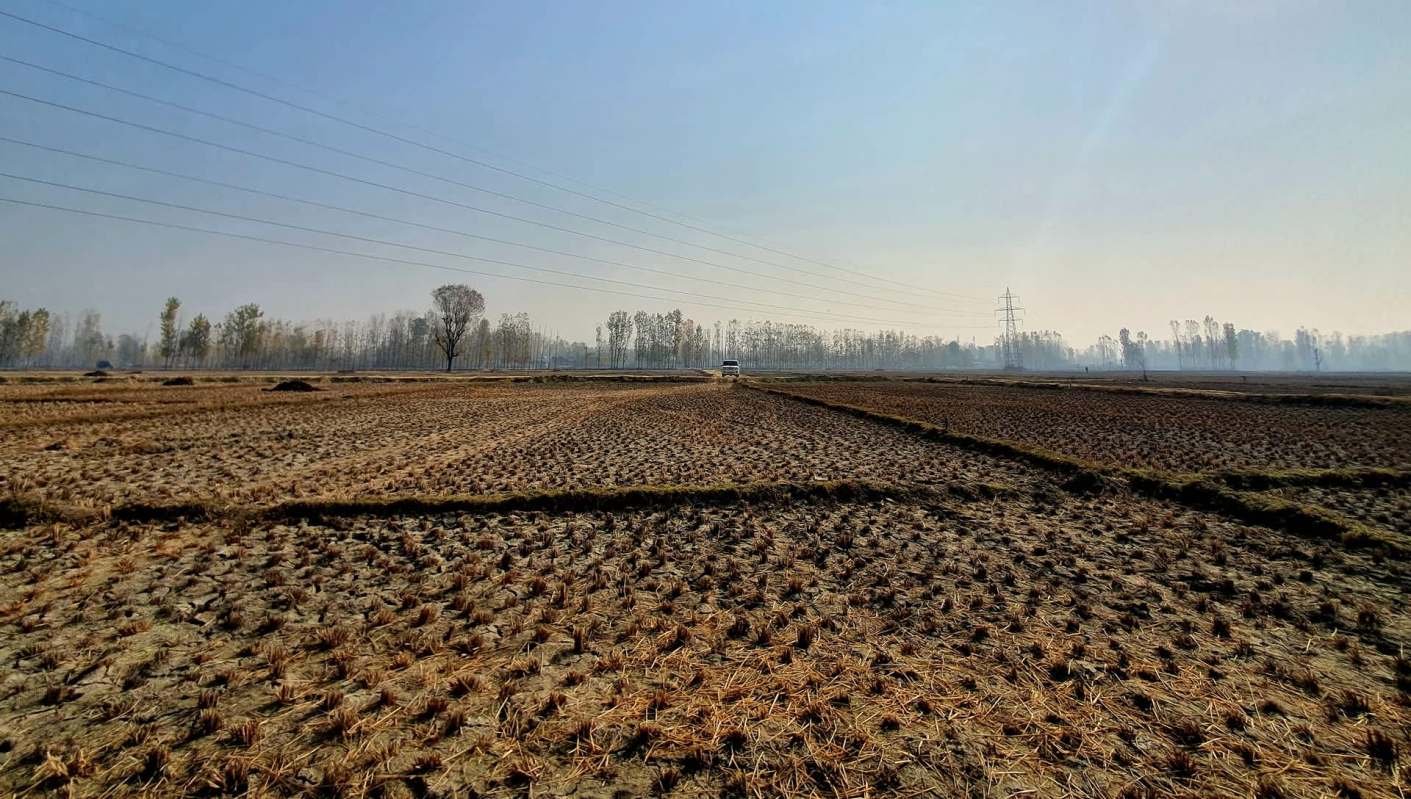
Farmers in Kashmir and Jammu didn't need a weather report to know about this spring's horrible harvest.
Fields that would normally have been shimmering gold with wheat or green with maize were left patchy and mostly dead. For families who depend on every harvest to pay their bills and keep food on the table, the 2025 monsoon season has felt like a punch to the gut.
What's happening?
Kashmir Life reported that unseasonal rains and other extreme weather damaged 1,239 hectares of farmland in Jammu and Kashmir between April 1 and July 14, according to the Union Ministry of Agriculture and Farmers Welfare. Union Agriculture Minister Shivraj Singh Chouhan confirmed the numbers in the Lok Sabha.
Major crops hit included wheat, maize, paddy, barley, and local horticultural produce. And while over 9,500 farmer applications were insured under the Pradhan Mantri Fasal Bima Yojana (PMFBY), only 5,500 hectares were actually covered. By June 30, the government had disbursed 27 million Indian rupees (just over $300,000) in claims to farmers who suffered yield losses.
Ladakh, in contrast, reported no crop damage this season. Only 14 hectares were insured, but officials see that as a sign that more farmers are becoming aware of risk management programs.
Why it matters
When farmers lose crops, it impacts more than just their families. The food supply chain is broken. This causes locals to suffer as grocery prices spike. And if harvests keep dwindling, everyday staples, such as rice and wheat, will cost everyone much more.
This problem isn't just happening in India. Rising food prices have hurt households in South Africa after a bad harvest, and a drought in New Jersey forced many local farmers to watch their crops wither in the fields. Damaged crops in Pakistan and India, such as mango losses reported last year, highlight just how susceptible our global food chain is to extreme weather.
But, beyond wallets, fewer bountiful harvests put more pressure on entire ecosystems. Damaged fields can cause soil erosion, and the cycle of emergency planting and replanting can strain water resources. It's a reminder that our overheating planet doesn't just bring theoretical "climate problems." It results in more empty dinner tables.
What's being done
For now, most help comes through insurance payouts and local disaster relief. The central government noted that states like Jammu and Kashmir can tap the State Disaster Response Fund for immediate measures, with federal support through the National Disaster Response Fund if damage escalates.
In Japan, scientists are researching plant health monitoring sensors to spot trouble early. Better crop insurance participation and smarter water use can help shield families when weather takes a nasty turn.
TCD Picks » Quince Spotlight
💡These best-sellers from Quince deliver affordable, sustainable luxury for all




Every small step — whether it's a local farm using tech or a shopper wasting less food — makes our fragile food system a bit more secure.
|
Do you worry about air pollution in your town? Click your choice to see results and speak your mind. |
 All the time 💯
Join our free newsletter for good news and useful tips, and don't miss this cool list of easy ways to help yourself while helping the planet.
Join our free newsletter for good news and useful tips, and don't miss this cool list of easy ways to help yourself while helping the planet.
Cool Picks






