


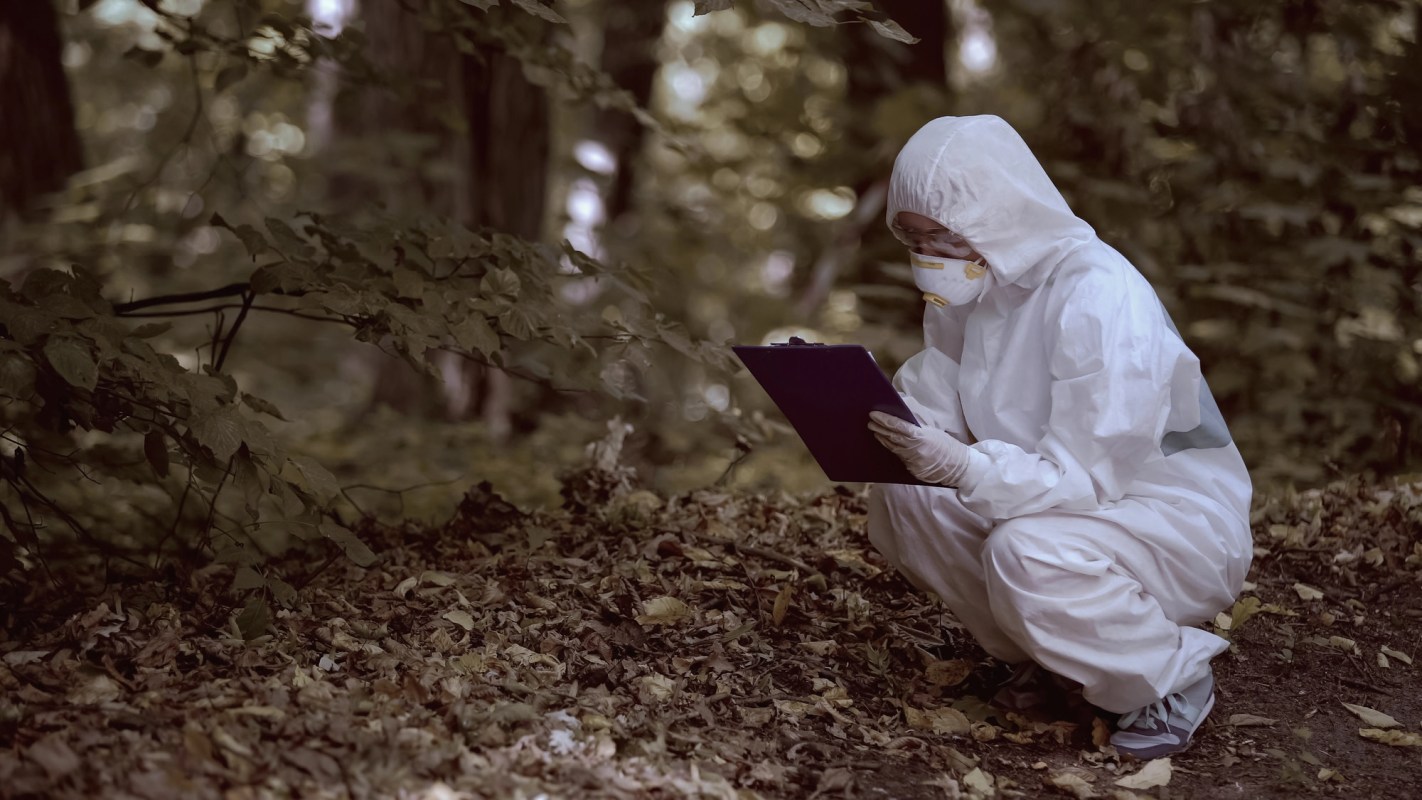
The United Kingdom just updated its Invasive Species Horizon-scan, and — plot twist — it isn't Bigfoot we need to worry about. It's 145 real-world plants, animals, and pathogens poised to sneak in and wreak havoc.
Professor Helen Roy, who led the UK Centre for Ecology & Hydrology study, said, "Prevention is the most effective approach to mitigating the threat of invasive non-native species."
What's happening?
Every few years, scientists sift through hundreds of potential invaders and flag the scariest ones for Britain's watchlist. The creatures in question are a range of species non-native to Great Britain. While they are not currently an issue, they made the list due to their potential for future destruction.
The 2025 roundup ranges from purple Asian clams, which reproduce at lightning speed and clog drinking-water pipes, to the pine wood nematode, a microscopic worm that has wiped out pine forests from Portugal to Japan.
This exercise is the third following 2013 and 2019 to prevent threatening invasive species in Britain. The goal is to assess the hundreds of non-native species from around the world that could potentially threaten Britain's native ecosystem.
Why is this watchlist important?
Invasive species don't play nicely. They out-compete native plants and animals for food, space, and sunlight, shredding biodiversity and the "free services" a healthy ecosystem provides.
Imagine purple clams jamming a treatment plant and nudging everyone's water bill up, or seastars bulldozing oyster harvests and local jobs right along with them. Forest pests raise wildfire risk and threaten the timber industry. They can even ferry new pathogens — bad news for crops and public health alike.
Protecting native species isn't just green talk; it's food security, clean water, and steady paychecks.
What's being done about it?
On the policy front, DEFRA is beefing up border inspections. Researchers are also piloting an early-warning smartphone app that lets anyone snap a photo of a suspicious creature and beam it straight to scientists in real time.
While scientists and researchers continue to monitor possible threats, communities are just as important. Professor Roy stated, "The public also plays a vital role by recording and reporting sightings of invasive non-native species, helping to inform action."
TCD Picks » Quince Spotlight
💡These best-sellers from Quince deliver affordable, sustainable luxury for all




|
Should the government be paying people to hunt invasive species?
Click your choice to see results and speak your mind. |
 Definitely 👍
 Individuals have an equally important role. Before heading from one waterway to another, give boots, boats, and fishing gear a quick check. Clean and dry them to keep hitchhikers from spreading. When planting a garden, choose native species from a local nursery.
This isn't the first battle with invasive species. For example, researchers use native birds to control the invasive spotted lanternfly along the East Coast and Midwest of the U.S. Small, everyday choices like these really add up. For more practical ways to protect local ecosystems, explore TCD's critical climate issues guide.

Join our free newsletter for good news and useful tips, and don't miss this cool list of easy ways to help yourself while helping the planet.
Cool Picks




