


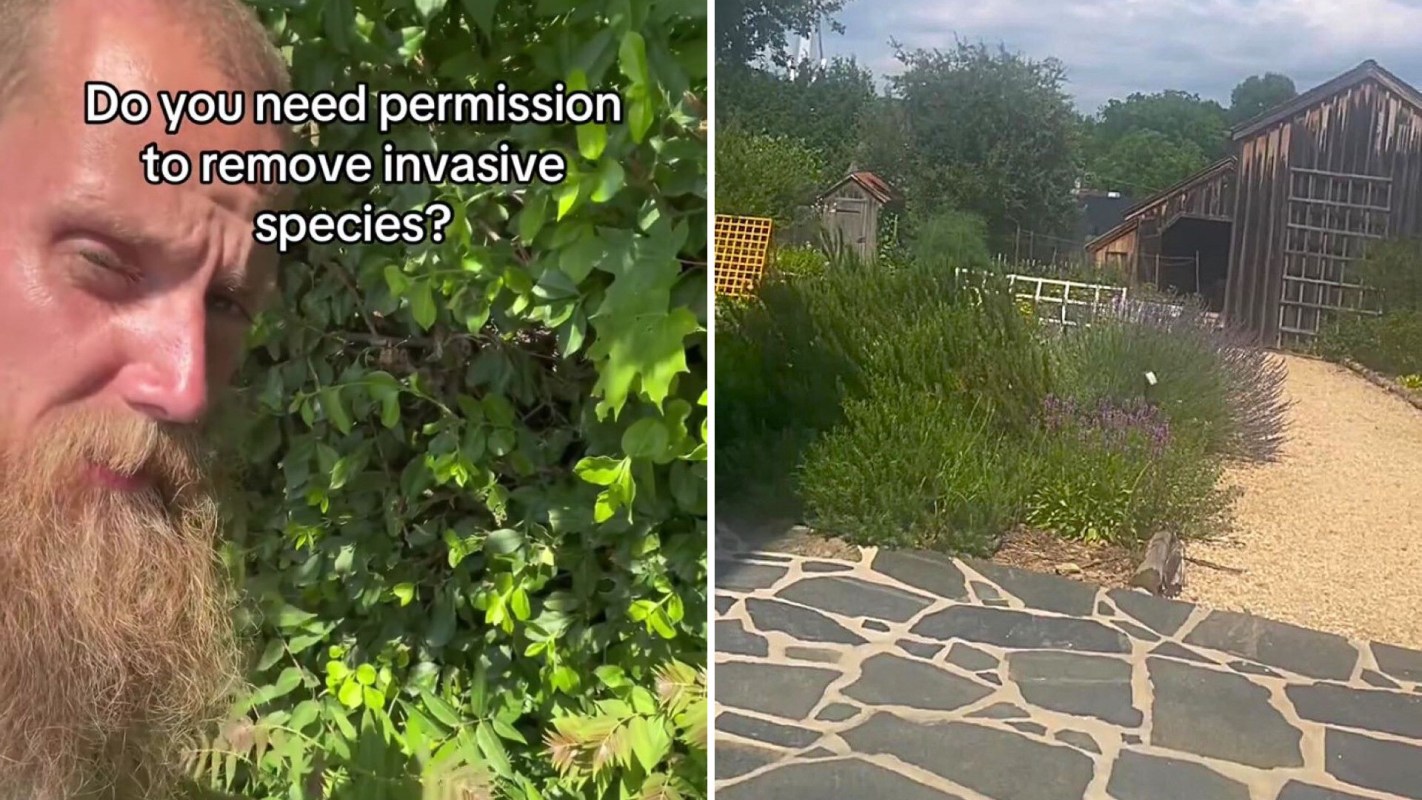
A Virginia trail became the setting for an invasive-species cleanup after a TikTok creator spotted lanternfly nymphs clustered on a tree of heaven.
Joey (@joeyplantstreesbackup) responded by trying to remove part of the infestation and by asking why obvious problems in public green spaces are sometimes left without attention.
What happened?
In a TikTok video, Joey focused on finding "this smelly tree of heaven," the species Ailanthus altissima, along a public trail in Virginia.
@joeyplantstreesbackup Virginia, invasive species removal, and who is supposed to be taking care of public spaces? #invasivespecies #treeofheaven #guerillagardening #foodnotlawns #sustainability ♬ original sound - joey
Because the plant was also covered in spotted lanternfly nymphs, he described the discovery as a case of one invasive species hosting another.
"One of the reasons this is a particularly bad invasive is this insect you see covering it," the creator said. "This invasive tree also hosts an invasive insect."
He said the insects have been present only since 2014 and are now widespread across the East Coast, adding that they can attack up to 173 different species of trees, including native grapes and domestic apples.
TCD Picks » Quince Spotlight
💡These best-sellers from Quince deliver affordable, sustainable luxury for all




Rather than fully cutting the growth down, the video shows him damaging the stems so the roots keep spending energy trying to support a plant that will not recover.
He also spread seeds taken from dried berries of native plants in an effort to replace the invasive growth with other vegetation.
Why does it matter?
Tree of heaven is notorious for spreading aggressively and crowding out native plants, while spotted lanternflies have become a major concern for vineyards, orchards, and backyard gardeners alike.
When the two show up together, the problem can escalate quickly.
Invasive species can weaken local ecosystems, reduce food sources for wildlife, and create added challenges for communities that already struggle to maintain parks and shared green spaces.
The creator's video also reflected that frustration, asking who should be responsible for public land when clear infestations are left untreated.
Replacing invasive growth with regionally appropriate plants can make landscapes easier and cheaper to maintain over time while supporting pollinators and other native wildlife.
What can I do?
If you spot invasive plants or insects, the safest first step is to identify them carefully and check local guidance before removing anything on public land. Joey, of course, was fed up with the situation and steamed right ahead.
One commenter pointed to a pitfall of acting quickly.
"I often mistake young black walnut for tree of heaven," they admitted. In cases like that it's better to make sure with a nearby expert versus potentially damaging a beneficial plant.
There are other ways to improve the local area. One effective strategy is to reduce the amount of high-maintenance turf and make more room for resilient, beneficial plants.
You can do that through rewilding your yard or going all-in by upgrading to a natural lawn.

Get TCD's free newsletters for easy tips, smart advice, and a chance to earn $5,000 toward home upgrades. To see more stories like this one, change your Google preferences here.







