


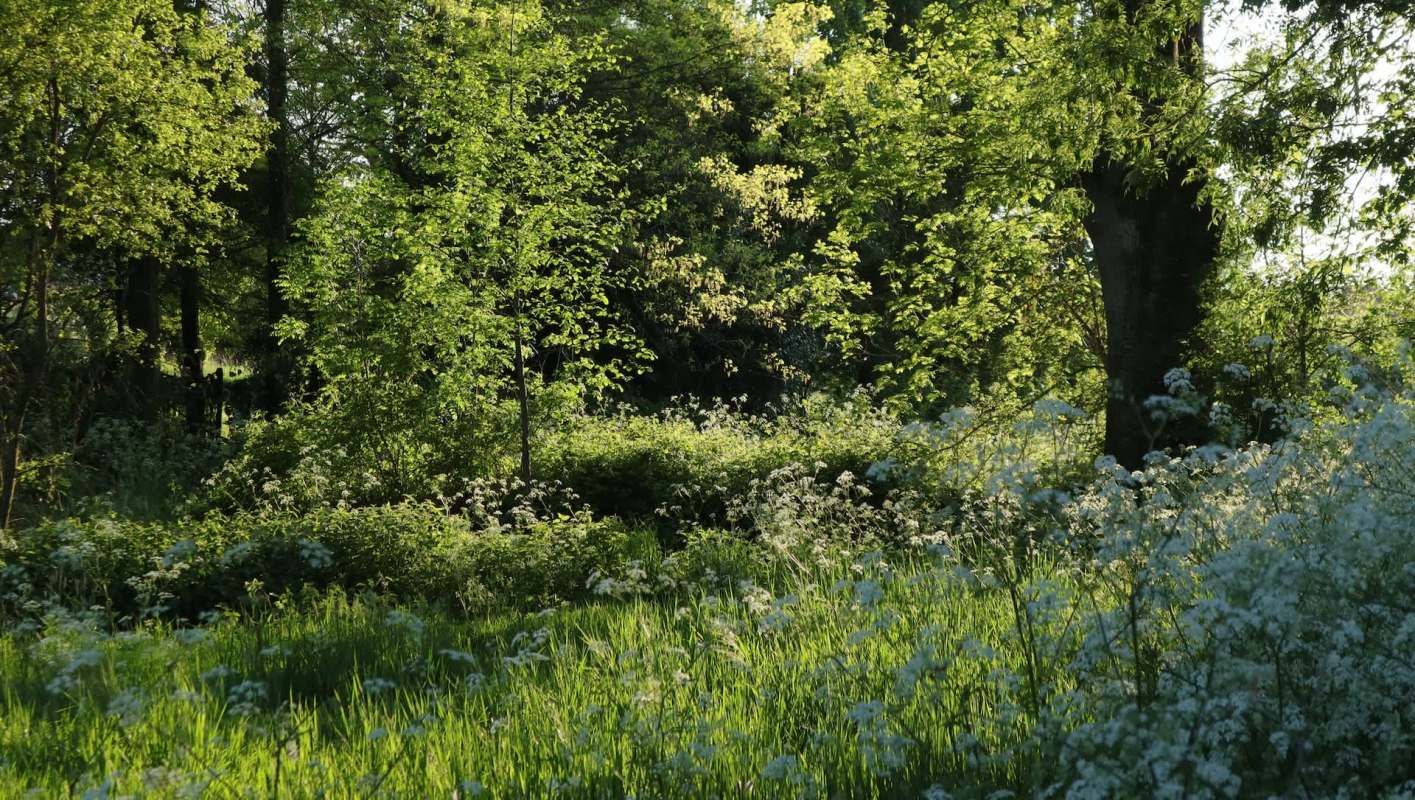
A recent Facebook post from the New York State Department of Environmental Conservation (DEC) is getting major attention online for its urgent warning about three look-alike invasive plants that can cause serious harm to people and pets. The post, which has racked up hundreds of reactions and comments, highlights giant hogweed, wild parsnip, and poison hemlock — all of which pose risks ranging from painful burns to life-threatening toxicity.
The DEC's detailed breakdown explains how deceptively similar these plants appear and why misidentifying them can be dangerous.
One commenter described their past encounter with wild parsnip, writing that they "ended up with blisters so horrific," underscoring how quickly people can be harmed without realizing what they've touched.
HAVE YOU SEEN THESE PLANTS? Giant hogweed, wild parsnip, and poison hemlock are invasive plants that can cause a...
Posted by NYS Department of Environmental Conservation on Tuesday, July 1, 2025
Invasive plant species can spread rapidly, overwhelming local ecosystems and outcompeting native vegetation. When species like giant hogweed or wild parsnip move in, they don't just pose hazards to homeowners trying to remove them — they also disrupt habitats for insects, birds, and other wildlife that rely on native plants for food and shelter.
That's one reason many homeowners are turning to native plant landscaping, which can save time, reduce maintenance costs, and lower water bills. Native lawns and gardens typically need far less irrigation and fertilizer than traditional turf grass. They also create healthier habitats for pollinators, which ultimately benefits humans, as pollinators keep our food supply running.
Eco-friendly, low-maintenance alternatives such as clover lawns, buffalo grass, xeriscaping, and mixed native-plant gardens offer a way to transform yards while avoiding the risks associated with removing aggressive invasive species. Even replacing just part of a lawn with native plants can have major benefits for both homeowners and local ecosystems.
Commenters shared everything from disbelief to personal stories.
One person recalled their neighbor mistaking an elderberry bush for giant hogweed, joking that the neighbor "just about had a heart attack."
Another warned that their local park had entire areas "quarantined off," while others urged people to "look at poison hemlock" carefully to avoid mixing it up with harmless species. Several residents chimed in with reports of sightings, noting that these invasive plants are "all over along the roadsides."
With risks this severe — and sightings this common — it's no wonder the post struck a nerve.
TCD Picks » Quince Spotlight
💡These best-sellers from Quince deliver affordable, sustainable luxury for all




|
Should the government be allowed to ban certain plants? Click your choice to see results and speak your mind. |
 Definitely 👍
Get TCD's free newsletters for easy tips to save more, waste less, and make smarter choices — and earn up to $5,000 toward clean upgrades in TCD's exclusive Rewards Club.
Cool Picks






